







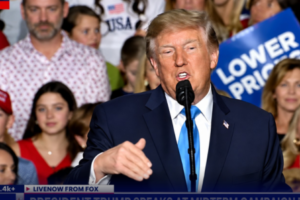



















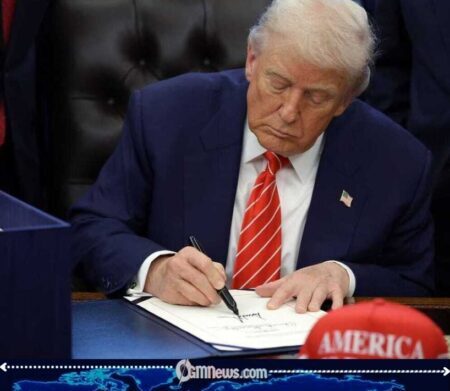
U.S. President Donald Trump, currently serving a second term, has signed legislation restoring funding for major agencies within the Department of Homeland Security (DHS), bringing an end to an almost 11-week partial shutdown that disrupted key security operations across the United States. The measure funds agencies such as the Secret Service and Transportation Security Administration (TSA), while leaving immigration enforcement agencies to be addressed separately.
The signing followed unanimous approval in the House of Representatives after weeks of deadlock over whether Immigration and Customs Enforcement (ICE) and Border Patrol should be included in the broader DHS spending package. The breakthrough marks a significant political win for the Trump administration and Republican congressional leaders.
Shutdown Ends After Weeks of Gridlock
The partial shutdown began in mid-February after lawmakers failed to agree on a full DHS budget. As negotiations dragged on, several agencies continued operating under emergency measures, while thousands of workers faced uncertainty over pay and operations.
Pressure mounted in recent days as officials warned that temporary funds used to keep airport security and protective services functioning were nearly exhausted. Lawmakers were also cautioned that any further delay could create disruptions at airports and weaken national security readiness.
The House eventually passed the Senate-approved bill by voice vote, sending it to President Trump, who signed it swiftly into law.
What the Bill signs by Trump Covers
The newly signed legislation funds several major DHS branches through September 30, the end of the U.S. fiscal year. Agencies covered include the Secret Service, TSA, FEMA, the Coast Guard, and the Cybersecurity and Infrastructure Security Agency.
However, the package excludes ICE and Border Patrol, the two agencies at the center of the dispute. Republican leaders have said those agencies will receive separate funding through another legislative process expected later in May.
This two-track approach allowed lawmakers to reopen the rest of DHS while postponing the most politically divisive elements of the budget fight.
Immigration Clash Drove the Stalemate
The central disagreement involved how immigration enforcement agencies should be funded and supervised. Democrats reportedly pushed for tighter operational rules, including judicial warrants before entering private homes and standards similar to those followed by domestic police departments.
Republicans and Trump administration rejected those conditions, arguing they would weaken border enforcement and immigration operations. House Speaker Mike Johnson said conservatives blocked the earlier bill to prevent ICE and Border Patrol from being sidelined.
The standoff highlighted the deep partisan divide over immigration policy, which remains one of the defining issues of President Trump’s second term.
Republican Leaders Broker Final Deal
The final breakthrough came after Republicans approved a separate $70 billion budget blueprint that would allow Congress to draft future legislation for ICE and Border Patrol funding.
Senate Majority Leader John Thune reportedly urged House Republicans to accept the Senate bill without changes, warning that reopening negotiations could create more delays and risk Democratic resistance in the Senate.
Speaker Johnson, who has managed a narrow Republican majority in the House, also faced internal pressure from party hardliners before securing support for the compromise.
Security Concerns Added Urgency
Calls for immediate action intensified after a shooting incident at the White House Correspondents’ Association dinner in Washington, where prosecutors said a suspect attempted to assassinate President Trump.
That incident renewed focus on the importance of adequately funding the Secret Service and other homeland security agencies. Combined with warnings about expiring payroll funds for TSA staff, it accelerated momentum for congressional action.
While the broader shutdown has ended, the battle over immigration enforcement funding is far from over. Republicans are expected to pursue a separate bill through the budget reconciliation process, which could allow passage without Democratic votes in the Senate.
That coming debate is likely to reignite fierce arguments over deportation policy, border security spending, and oversight of federal immigration agents. For now, however, lawmakers have prevented deeper disruption to critical homeland security operations.


[…] […]