














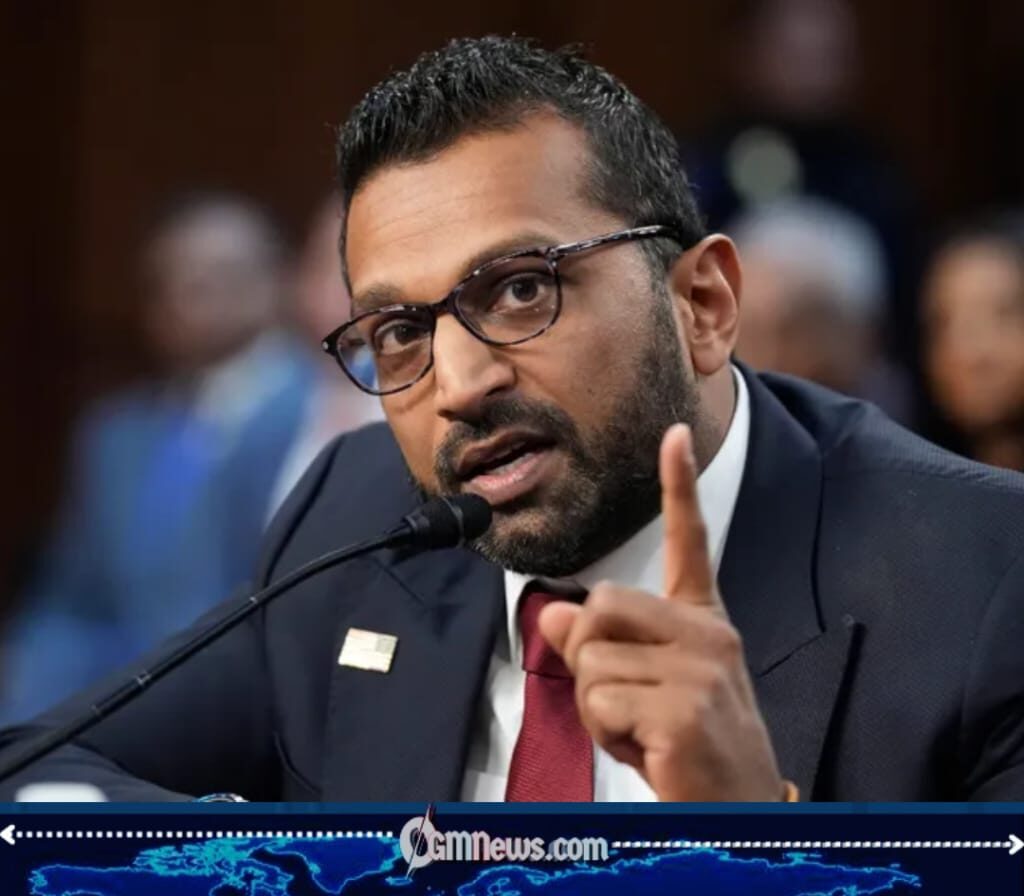
Overreaction or Caution? Kash Patel’s WHCD Response Divides Opinion
Kash Patel has become the central figure in discussions following a brief security scare at the annual White House Correspondents’ Dinner (WHCD), after he described the incident as “a tragedy” despite no casualties being recorded. His response, both during and after the moment of uncertainty, has drawn national attention and set the tone for ongoing debate about leadership, communication, and crisis perception.
The WHCD, typically known for its blend of political satire and media celebration, took an unexpected turn when the disruption occurred. While authorities confirmed that there was no immediate threat, Patel’s reaction has remained at the forefront of public and media discourse.
Inside the Incident: Kash Patel’s Experience
According to witness accounts, Kash Patel was among several high-profile attendees present when the security alert unfolded. As confusion spread briefly across the venue, Patel reportedly took cover under a table—a response that has since been widely discussed.
Sources indicate that security personnel moved quickly to assess the situation, ensuring that all guests remained safe. Patel’s actions during those tense moments have been interpreted in different ways, with some viewing them as a natural response to uncertainty, while others have questioned whether the reaction reflected heightened alarm.
Officials later confirmed that the situation was resolved without incident, allowing the event to continue.
The “Tragedy” Remark: Kash Patel Under Scrutiny
In the aftermath, Kash Patel publicly described the episode as “a tragedy,” a choice of words that has sparked considerable debate. Critics argue that the term may have overstated the severity of the situation, given that no injuries or fatalities occurred.
Others have defended Patel, suggesting that his statement underscores the seriousness of any potential security breach, regardless of its outcome. They argue that from a law enforcement perspective, even near-misses warrant strong language to highlight risks.
The absence of further clarification from Patel or the FBI has left his statement open to interpretation, keeping the focus squarely on his remarks.
Security Context: Kash Patel and High-Level Protection
As FBI Director, Kash Patel operates within a framework where caution is paramount, particularly at events attended by senior officials such as Donald Trump. The WHCD is regarded as a high-security gathering, requiring coordinated efforts from multiple agencies.
Experts note that individuals in Patel’s position are trained to respond decisively to any perceived threat. Patel’s reaction, therefore, may reflect standard protocol rather than personal alarm, even if it appeared dramatic to observers.
The incident has prompted a closer look at how such protocols are implemented and communicated to the public.
Public Reaction: Kash Patel in the Spotlight
Public and media reactions have largely centered on Kash Patel’s conduct and comments. On social media, discussions have ranged from criticism of his wording to support for his cautious stance during a potentially uncertain situation.
Some commentators argue that Patel’s response highlights the pressures faced by officials operating in high-risk environments. Others contend that leadership requires measured communication, particularly in situations that do not result in harm.
The differing perspectives have ensured that Patel remains the focal point of the broader conversation.
Leadership and Communication: Lessons from Kash Patel’s Response
The incident has underscored the importance of how leaders communicate during and after moments of uncertainty. Patel’s description of the event has become a case study in the impact of language on public perception.
Analysts suggest that while swift action is essential, equally important is the ability to provide clear and proportionate explanations afterward. Patel’s remarks have demonstrated how quickly narratives can form around individual statements.
Going forward, the balance between urgency and accuracy in official communication is likely to remain a key point of discussion.
Kash Patel and the Broader Implications
Although the WHCD incident ended without physical harm, Kash Patel’s role in the unfolding and interpretation of events has given it lasting significance. His actions and words have shaped how the episode is understood by the public.
As reviews of the incident continue, Patel’s response may influence future approaches to both security management and crisis communication. For now, the focus remains firmly on how one official’s reaction can redefine the narrative of an otherwise contained event.

Logging in is a breeze and the site stability is amazing even during peak hours....