














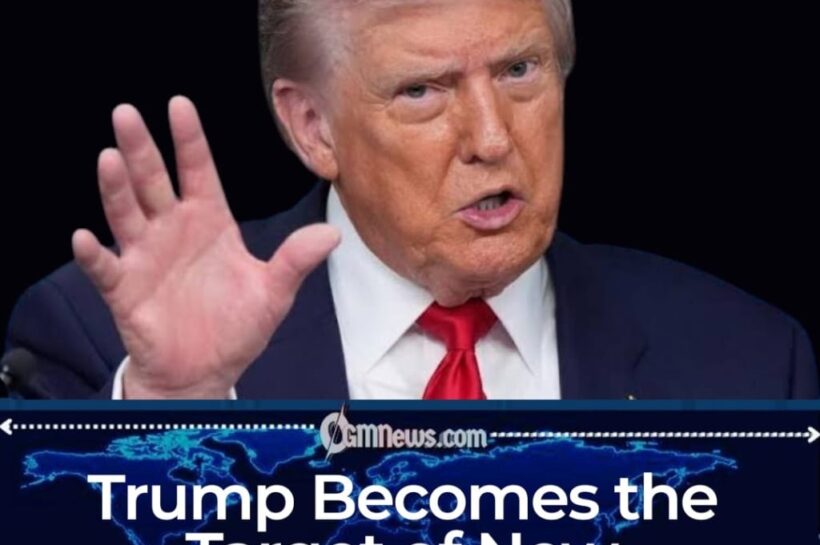



President Trump is facing mounting judicial scrutiny as a federal judge signaled potential challenges for his $10 billion lawsuit against the Internal Revenue Service, raising questions about the strength of the legal arguments presented. The case, which has drawn national attention, centers on allegations that the agency acted improperly in matters related to tax oversight and disclosure.
The judge’s remarks during preliminary proceedings suggested skepticism about key aspects of the claim, indicating that the case may encounter significant hurdles as it moves forward. Legal analysts have pointed out that early judicial signals often provide insight into how a case could unfold.
President Trump’s legal team has maintained confidence in their position, arguing that the lawsuit raises important constitutional and procedural issues.
Legal Foundations of the Case
President Trump’s lawsuit is built on claims that the IRS exceeded its authority, with attorneys arguing that certain actions taken by the agency were unjustified. Such cases typically require detailed evidence and a clear demonstration of harm.
Legal experts note that lawsuits against federal agencies face a high bar, particularly when they involve complex regulatory frameworks.
The court’s evaluation will likely focus on whether the claims meet established legal standards.
President Trump and Courtroom Signals
President Trump’s case has drawn attention to the significance of judicial signals during early hearings, where judges may question arguments or highlight potential weaknesses. These moments can shape expectations for how the case might proceed.
President Trump’s legal representatives are expected to respond by refining their arguments and addressing concerns raised in court.
President Trump’s approach in navigating these challenges will play a key role in determining the trajectory of the lawsuit.
Broader Implications for Federal Agencies
President Trump’s lawsuit also raises broader questions about the relationship between individuals and federal agencies like the IRS. Cases of this nature can influence how authority and accountability are interpreted in future disputes.
The outcome may have implications for regulatory practices and oversight mechanisms across government institutions.
Observers are closely watching to see whether the case establishes any new legal precedents.
President Trump and Political Reactions
President Trump’s legal battle has generated political reactions from both supporters and critics, reflecting the broader polarization surrounding issues involving federal authority. Public discourse often intersects with legal proceedings in high-profile cases.
Supporters argue that the lawsuit challenges government overreach, while critics question the basis and timing of the claims.
The political dimension adds another layer of complexity to the case.
President Trum is expected to continue pursuing the lawsuit as it moves through the judicial process, with upcoming hearings likely to provide further clarity on its prospects. The court’s decisions at each stage will be closely analyzed.
Legal experts emphasize that complex cases can evolve significantly over time, with outcomes often shaped by detailed arguments and evidence.
Ultimately, the case highlights the intersection of law, politics, and public interest in high-profile legal disputes.

https://shorturl.fm/dLyxu