







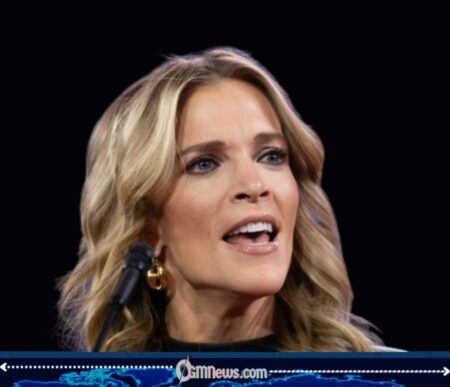
Political commentator Megyn Kelly has suggested that a growing number of Americans are becoming frustrated with President Donald Trump over the state of the economy. Kelly said recent polling indicates that many voters feel they gave the administration time to deliver improvements, but instead believe economic conditions have become more difficult.
Her comments reflected concerns that rising costs, financial uncertainty, and continued pressure on household budgets are beginning to influence political attitudes. According to Kelly, some voters are no longer simply disappointed but increasingly angry that the promised economic relief has not materialized.
The remarks have drawn attention because they come from a conservative commentator who has often been seen as sympathetic to many Republican policy positions, making her warning politically significant.
Polling Signals a Changing Mood
Recent national surveys have shown a decline in public confidence in the administration’s handling of economic issues. Independent voters in particular have expressed concern about inflation, mortgage rates, and the cost of basic necessities.
Several polling organizations have reported that the president’s approval on economic management has softened, even among some voters who previously supported his leadership. Analysts say economic dissatisfaction can shift public opinion more quickly than many other policy concerns.
Kelly argued that if those trends continue, Democrats could begin narrowing the traditional Republican advantage on economic messaging a development that could reshape political calculations ahead of future elections.
Why Kelly’s Remarks Matter
Kelly’s observations stand out because conservative media figures often serve as an informal reflection of broader sentiment among center-right voters. When prominent voices in that space begin expressing concern, political strategists tend to pay attention.
Her remarks suggest that some voters may now be evaluating the administration less through ideology and more through their personal financial experiences. That can be particularly significant in closely divided states where economic issues often decide elections.
Political observers note that economic frustration has historically crossed party lines, especially when families feel their purchasing power is declining.
Democrats See an Opening
Democratic strategists have increasingly focused on presenting their party as a credible alternative on economic stewardship. For years, Republicans often held a polling advantage on questions involving taxes, business growth, and inflation.
Kelly’s comments indicate that this dynamic may be shifting. If voters begin viewing Democrats as a safer option on economic issues, the political balance in several competitive districts could change.
Some analysts caution that such shifts in public opinion are often gradual, but they can accelerate quickly if economic concerns remain unresolved.
The White House Response
The White House has continued defending the administration’s economic record, pointing to investment, job creation, and long-term growth initiatives. Officials argue that temporary instability should not overshadow broader economic gains.
Administration allies maintain that the current challenges stem partly from global uncertainty rather than domestic policy alone. They insist the president’s economic agenda remains focused on strengthening American industry and reducing dependence on foreign markets.
Still, critics argue that many voters are judging the economy not by official statistics but by what they see in grocery stores, housing costs, and monthly bills.
A Political Test Ahead
Kelly’s comments highlight the possibility that the economy could become one of the defining political tests of President Trump’s second term. Public frustration over living costs often becomes a powerful force in national politics.
If more conservative commentators begin openly questioning the administration’s economic performance, it may signal a deeper concern within parts of the Republican coalition. Such concerns could influence how the party approaches future campaigns.
For now, Kelly’s remarks have added to a broader national debate about whether economic confidence is beginning to shift in ways that could reshape the political landscape.
[…] […]