




















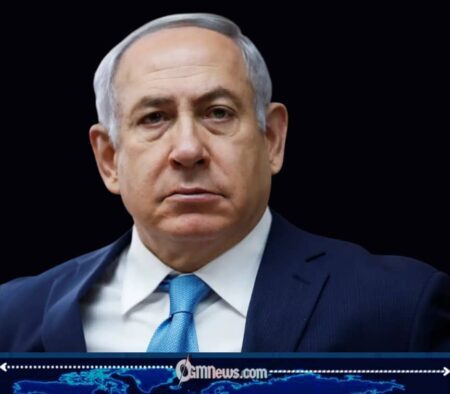
Israeli Prime Minister Benjamin Netanyahu has intensified his rhetoric against Iran, declaring that Tehran was preparing what he described as “another Holocaust” through what Israel says is a long-term effort to develop nuclear weapons capable of threatening the Jewish state. The remarks came amid renewed international concern over rising tensions between the two regional rivals.
Netanyahu said Israel could not afford to ignore what he believes is a growing existential threat. By invoking the memory of the Holocaust, he framed the current confrontation not simply as a strategic dispute but as a matter of national survival for Israel.
The comments have drawn widespread international attention because they come at a time when concerns over nuclear proliferation in the Middle East are once again moving to the center of global diplomatic discussion.
Questions Over Iran’s Nuclear Capability
The central issue remains whether Iran has moved from nuclear capability toward actual nuclear weapon possession. International agencies have confirmed that Iran has significantly expanded uranium enrichment, but public evidence that Tehran possesses an operational nuclear weapon has not been presented.
Western intelligence officials have repeatedly warned that Iran has shortened the time it could theoretically need to produce fissile material suitable for a bomb. However, experts continue to distinguish between having enriched material and assembling a fully deployable nuclear warhead.
Iran has consistently denied seeking nuclear weapons, maintaining that its nuclear program is intended for civilian energy and scientific purposes. Israeli leaders, however, argue that Tehran’s enrichment activity goes far beyond peaceful requirements.
Israel’s Longstanding Security Concerns
Israel has for decades viewed Iran’s nuclear ambitions as one of the most serious threats to its national security. Israeli officials have frequently argued that Iran’s leadership has openly questioned Israel’s legitimacy and that such rhetoric cannot be separated from concerns over nuclear technology.
Netanyahu has often used strong historical language when discussing Iran, reflecting a political doctrine that Israel must act before threats become irreversible. Supporters say that approach reflects lessons drawn from Jewish history and Israel’s security experience.
Critics argue that such comparisons can heighten tensions and reduce diplomatic space for negotiation. Nevertheless, Netanyahu’s language continues to resonate strongly within segments of Israeli society deeply sensitive to existential security fears.
The Debate Over Regional Nuclear Balance
The controversy has also revived discussion about the wider nuclear balance in the Middle East. While Iran denies having a nuclear weapon, Israel has never officially confirmed or denied possessing one, maintaining a policy of deliberate ambiguity.
Independent analysts widely believe Israel possesses a significant undeclared nuclear arsenal. Estimates vary, with some international observers suggesting the country may have dozens and possibly more than one hundred nuclear warheads.
This contrast has fueled accusations from some governments and commentators that nuclear scrutiny in the region is applied unevenly. Critics say international pressure has focused overwhelmingly on Iran while Israel remains outside many public non-proliferation debates.
International Reaction to Netanyahu’s Remarks
Netanyahu’s comments have generated mixed responses among international allies. Some Western governments share concerns over Iran’s nuclear advances but have avoided endorsing the Israeli prime minister’s Holocaust comparison.
European officials have emphasized the need for restraint while calling for renewed diplomatic engagement aimed at preventing further escalation. Several governments fear that increasingly severe rhetoric could make future negotiations more difficult.
In Washington, President Donald Trump’s administration has continued to back Israel’s right to defend itself while maintaining pressure on Iran through sanctions and regional military posture.
A Region Facing Growing Uncertainty
The latest exchange underscores how fragile the Middle East security environment has become. Tensions between Israel and Iran now extend beyond covert operations and diplomatic disputes into a broader confrontation over regional influence and deterrence.
Security experts warn that misunderstandings or miscalculations could quickly intensify into a larger regional crisis. With both nations viewing the stakes as exceptionally high, diplomatic efforts face increasing pressure.
Whether Netanyahu’s warning leads to stronger international action or further regional polarization remains uncertain. What is clear is that the nuclear question remains one of the most dangerous unresolved issues in the Middle East.

Logging in is a breeze and the site stability is amazing even during peak hours....