

























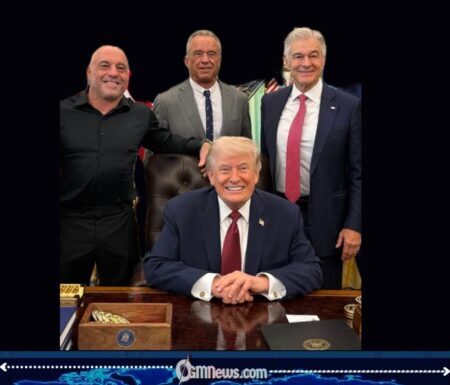
A direct message from podcast host Joe Rogan has triggered a rapid and unexpected shift in U.S. drug policy, culminating in a sweeping executive order signed by Donald Trump, the current U.S. president serving a second term. The directive, which accelerates federal research into psychedelic substances such as ibogaine and LSD, followed a brief but consequential exchange between Rogan and the president—an interaction that quickly escalated into formal policy action within days.
A Private Message With Public Consequences
The chain of events began with what Rogan described as a simple outreach to the president. Sharing information about ibogaine—a psychoactive substance gaining attention for its potential to treat post-traumatic stress disorder (PTSD) and opioid addiction—Rogan aimed to highlight emerging research and anecdotal success stories, particularly among military veterans.
According to accounts of the exchange, President Trump responded promptly, signaling interest in the material. What might have remained a private discussion soon evolved into a broader internal review within the administration, with federal health and policy advisers reportedly tasked with assessing the claims and available data.
The Executive Order and Policy Shift
Within days, President Trump signed an executive order directing federal agencies to expedite research into psychedelic substances. The order focuses on reducing bureaucratic delays in clinical trials and encouraging collaboration between public institutions and private researchers.
The directive marks a notable departure from longstanding federal drug policy, which has traditionally imposed strict controls on substances like LSD and ibogaine. By prioritizing scientific review and potential therapeutic applications, the administration is signaling a willingness to reconsider the role of psychedelics in modern medicine.
Spotlight on Ibogaine and Emerging Therapies
Ibogaine, derived from a West African plant, has drawn attention for its reported effectiveness in interrupting addiction cycles and alleviating PTSD symptoms. Though not approved for medical use in the United States, it has been used in controlled settings abroad, often with anecdotal reports of significant patient improvement.
Similarly, LSD—once synonymous with counterculture movements—has re-emerged in scientific discourse as a potential tool for mental health treatment. Researchers have increasingly explored its controlled use in therapy, particularly for conditions resistant to conventional treatments.
Trump’s Public Remarks and Oval Office Moment
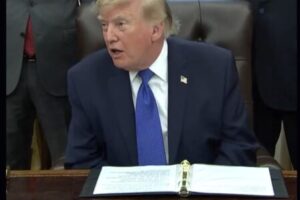
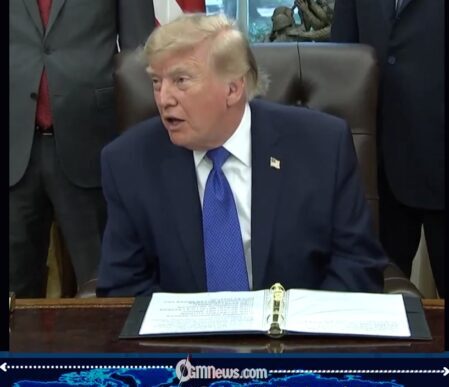
During a Saturday Oval Office appearance, President Trump acknowledged Rogan’s influence on the decision. “Joe is an amazing guy,” he said, noting their ideological differences while emphasizing mutual respect. He added that the information Rogan provided was reviewed by experts, who reportedly reached consistent conclusions about its potential significance.
The event, however, included moments described by observers as awkward, reflecting the unusual path from podcast conversation to presidential policy. Nonetheless, the president’s remarks underscored the administration’s openness to unconventional sources of policy input.
Reactions Across Political and Medical Communities
The executive order has sparked a wide range of reactions. Supporters argue that accelerating research into psychedelics could unlock new treatments for conditions that have long challenged the medical community, particularly among veterans and individuals struggling with addiction.
Critics, however, caution against moving too quickly, emphasizing the need for rigorous scientific validation and regulatory oversight. Some have also raised concerns about the precedent of policy decisions influenced by informal communications, even when backed by subsequent expert review.
Broader Implications for U.S. Drug Policy
The move may signal a broader shift in how the federal government approaches controlled substances, particularly those with emerging therapeutic potential. If successful, the accelerated research initiative could pave the way for regulatory changes and eventual medical approval of certain psychedelics.
At the same time, the episode highlights the evolving intersection of media influence and policymaking in the digital age. A single message from a high-profile public figure has demonstrated the capacity to catalyze significant governmental action, raising questions about how ideas move from public discourse into official policy.
As federal agencies begin implementing the executive order, attention will turn to the outcomes of expedited research efforts. Whether this initiative leads to breakthroughs in mental health treatment or prompts further debate about regulatory processes, it represents a pivotal moment in the ongoing evolution of U.S. drug policy.
Casinoabc999? Good Site. The interface is sleek, and there is a lot of stuff to...