






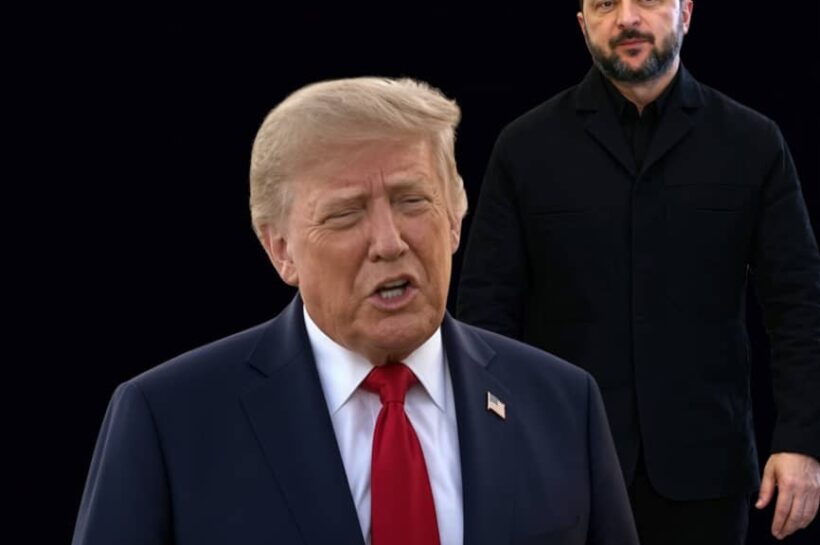




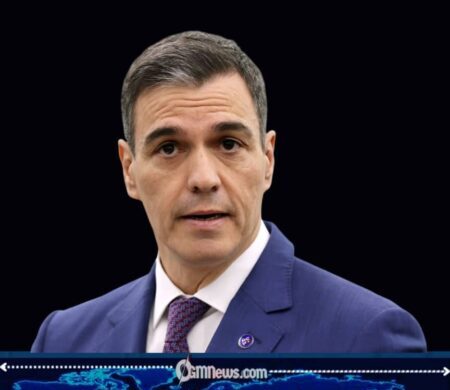
Spanish Prime Minister Pedro Sánchez has publicly reaffirmed Spain’s commitment to international law after fresh criticism from U.S. President Donald Trump over Madrid’s position on international security and alliance cooperation. The latest exchange has highlighted growing differences between Washington and one of Europe’s most outspoken leaders.
The disagreement reflects a wider tension inside Western alliances as President Donald Trump continues to demand stronger alignment from partner nations. Sánchez, however, has signaled that Spain will maintain an independent foreign policy even when it creates friction with the White House.
Trump Sharpens His Criticism of Spain
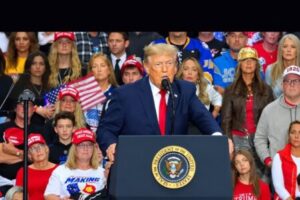
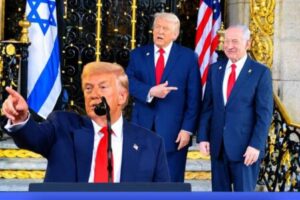
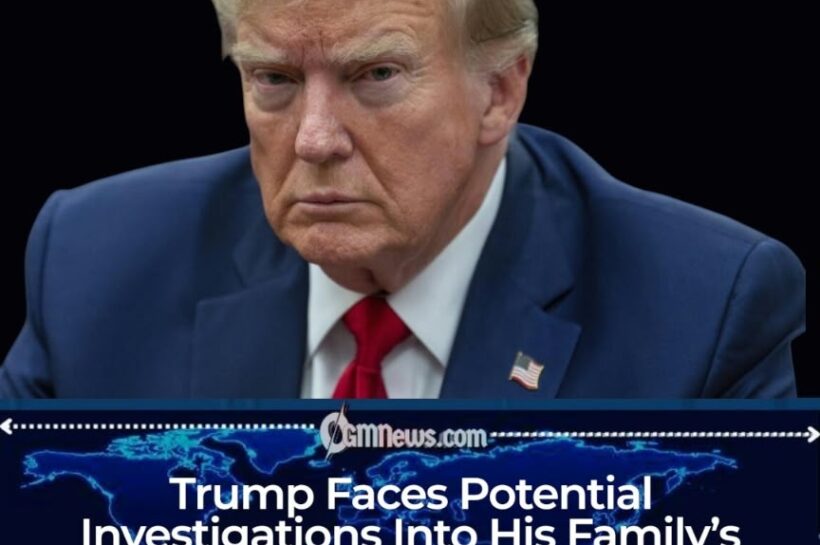
President Donald Trump has recently accused Spain of failing to support American strategic priorities during a period of heightened international tension. He has argued that some allies benefit from U.S. protection while resisting Washington’s requests when crises emerge.
The president’s remarks focused on what he described as a lack of solidarity from some NATO partners. Spain was mentioned as one of the countries that has chosen a more cautious approach to military involvement.
President Donald Trump has repeatedly warned that alliance relationships must be based on what he calls fairness and shared responsibility.
Sánchez Responds With a Firm Message
Pedro Sánchez responded by emphasizing that Spain’s foreign policy will continue to be guided by international law and diplomacy. He said his government would not alter its position because of external political pressure.
The Spanish leader said peace and legal principles remain central to Madrid’s approach in global affairs. His comments were widely interpreted as a direct but measured answer to President Donald Trump’s criticism.
Sánchez’s stance has reinforced his image as a European leader willing to challenge larger powers when national principles are involved.
Spain’s Independent Foreign Policy
In recent years, Spain has taken a more independent role on international issues, including relations with the Middle East and China. The government has argued that Europe should not always follow Washington’s lead in global conflicts.
Pedro Sánchez has repeatedly called for multilateral diplomacy instead of rapid military escalation. Supporters say this reflects a commitment to stability rather than confrontation.
Critics, however, argue that too much distance from Washington could weaken Spain’s strategic influence inside NATO.
NATO Divisions Become More Visible
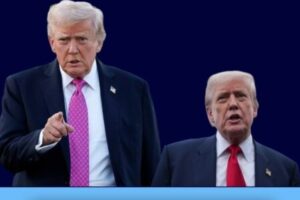
The exchange also underscores deeper divisions within NATO. President Donald Trump has long argued that alliance members should contribute more and show greater political loyalty during security crises.
Several European governments have privately expressed concern about the increasingly confrontational tone from Washington. Spain has become one of the most visible examples of resistance to that pressure.
Analysts say these disagreements could shape the future direction of transatlantic relations.
European Support for Spain
Some European officials have quietly backed Spain’s position, saying allies should not be pressured through trade or political threats. Diplomats in Brussels have stressed the importance of unity while respecting national sovereignty.
Pedro Sánchez’s response has been seen by some observers as representing a broader European effort to defend independent decision-making. His position has drawn attention beyond Spain because it reflects wider concerns inside the European Union.
For many in Europe, the dispute has become symbolic of changing relations with Washington.
Political Stakes for Both Leaders
For President Donald Trump, the dispute fits into his larger message that allies must contribute more and align more closely with U.S. priorities. His supporters argue that he is reshaping alliances to better serve American interests.
For Pedro Sánchez, standing firm may strengthen his image as a leader willing to defend principle over pressure. Political analysts say both leaders may see domestic value in their public positions.
The exchange could therefore carry significance beyond foreign policy alone.
The latest confrontation between Pedro Sánchez and President Donald Trump reflects more than a disagreement between two leaders. It highlights a broader debate over alliance loyalty, national independence, and the future of international diplomacy.
As geopolitical tensions continue, the relationship between Washington and European capitals may face further tests. Spain’s decision to maintain its stance suggests that even close allies may increasingly choose their own path.
FoSEnYRcnzkCFxcrkTIkEJxP