

















Political analyst Glenn Diesen has raised concerns about the foreign policy style of U.S. President Donald Trump, arguing that the administration often appears to favor immediate tactical actions over long-term strategic planning. His remarks have fueled a wider debate over whether rapid decision-making can deliver lasting results in increasingly complex international crises.
The criticism comes as President Donald Trump’s second-term foreign policy continues to draw intense scrutiny from allies, opponents, and policy experts. Supporters describe the president’s style as decisive, while critics say it can create uncertainty at critical moments in world affairs.
Diesen’s Warning About Short-Term Solutions
Glenn Diesen has suggested that President Donald Trump often seeks quick political solutions to deeply rooted geopolitical problems. According to the professor, sudden decisions and surprise moves may create short-term momentum but can struggle to produce durable diplomatic outcomes.
Diesen’s analysis reflects a growing view among some scholars that modern international conflicts require consistency rather than abrupt shifts. He argues that major crises cannot be resolved through headline-driven decisions alone.
His comments have added to an expanding conversation about how leadership style can influence global stability.
Trump’s Foreign Policy Style Under Review
President Donald Trump has built much of his foreign policy identity around unpredictability. From trade negotiations to military threats, he has frequently used surprise as a negotiating tool.
Supporters argue that this approach keeps rivals uncertain and can strengthen America’s position at the bargaining table. They believe President Donald Trump’s willingness to act quickly demonstrates confidence and control.
Critics, however, say unpredictability can also unsettle allies and make long-term cooperation more difficult.
Iran Tensions Add New Scrutiny
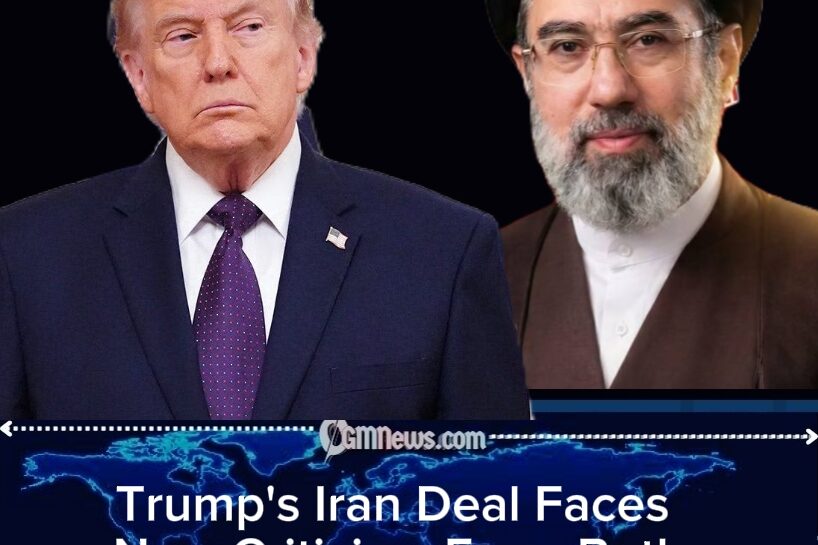
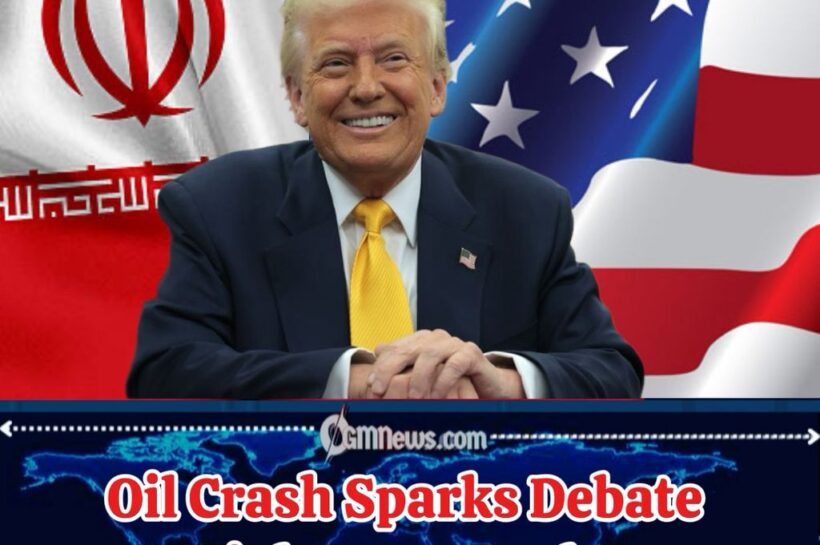
The debate over strategy has become more visible during the recent confrontation with Iran. President Donald Trump has alternated between calling for peace and warning of stronger action if Tehran refuses U.S. terms.
Observers say this combination of diplomacy and pressure reflects the administration’s broader approach. Some believe the strategy creates leverage, while others fear it risks misunderstanding in an already tense region.
Diesen’s criticism gained attention because it came as the administration faced renewed questions over how it manages international escalation.
Allies and Analysts Respond
International observers have responded with mixed reactions. Some allied governments have privately expressed concern that rapid policy changes can complicate diplomatic coordination.
European analysts in particular have warned that sudden shifts in messaging can weaken confidence in ongoing negotiations. They argue that stable communication is often essential in preventing conflict.
At the same time, several political allies of President Donald Trump continue to defend the approach as a necessary adaptation to modern global threats.
A Divided Political Response
Within the United States, reaction to the criticism has been sharply divided. Opponents of the administration say Diesen’s remarks highlight a pattern of reactive policymaking.
Supporters counter that President Donald Trump’s leadership has repeatedly forced adversaries to reconsider their positions. They argue that conventional diplomacy has often failed and that unconventional methods are sometimes necessary.
The contrast in reactions underscores the broader political divide over how America should exercise power abroad.
Long-Term Implications for U.S. Leadership
The larger question raised by Diesen’s remarks concerns America’s long-term role in global affairs. Critics argue that short-term victories can come at the expense of strategic trust.
Diplomats and policy experts note that allies often value consistency as much as strength. Frequent changes in tone may create uncertainty about U.S. commitments and intentions.
As President Donald Trump continues his second term, debates over his foreign policy style are likely to remain central to international discussion.
Professor Glenn Diesen’s criticism has brought renewed attention to the balance between speed and strategy in modern diplomacy. His comments reflect concerns that immediate political gains may not always lead to lasting international solutions.
Whether President Donald Trump’s approach proves effective or risky will ultimately be judged by its long-term outcomes. For now, the debate over quick decisions and global consequences remains an important part of the wider conversation surrounding American leadership.


замена венцов новокузнецк