












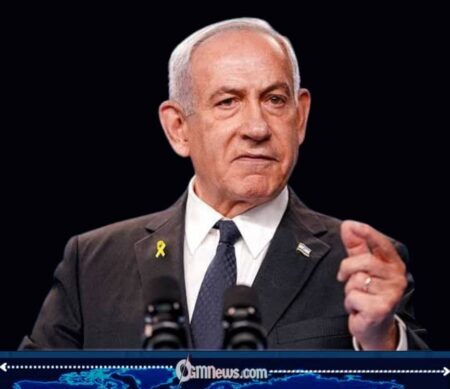
Israeli Prime Minister Benjamin Netanyahu has signaled that the current ceasefire and ongoing negotiations are not intended to conclude Israel’s military campaign, but rather represent a transitional phase toward achieving broader strategic objectives. His remarks come amid a fragile regional truce involving Iran and diplomatic efforts supported by President Donald Trump.
By emphasizing that negotiations are “a stage on the way to achieving our goals,” Benjamin Netanyahu has underscored Israel’s position that the current pause in hostilities is tactical, not final. The statement reflects ongoing uncertainty surrounding the durability of the ceasefire and the broader trajectory of the conflict.
Ceasefire as Tactical Pause, Not Final Resolution
According to Benjamin Netanyahu, the ceasefire should be understood as a limited and conditional step rather than a definitive resolution. Israeli officials have reiterated that military objectives remain unchanged, even as diplomatic efforts proceed.
This perspective aligns with the structure of the agreement itself, which is designed as a temporary pause. While it allows for reduced hostilities, it does not address all aspects of the conflict, leaving significant issues unresolved.
Analysts suggest that such framing enables Israel to maintain operational flexibility while participating in negotiations, ensuring that military options remain available if diplomatic efforts fail.
Military Readiness and Strategic Messaging
In reinforcing his position, Benjamin Netanyahu has emphasized Israel’s continued military readiness. Officials indicate that forces remain on high alert, prepared to resume operations should conditions on the ground deteriorate.
This messaging serves both domestic and international audiences. Domestically, it reassures the public of Israel’s commitment to security, while internationally it signals that the country is not fully reliant on diplomatic outcomes.
The approach reflects a broader strategy in which deterrence and diplomacy operate simultaneously, allowing Israel to navigate a complex and evolving security environment.
Tensions Over Ceasefire Negotiation Process
Reports indicate that there has been some friction regarding the negotiation process leading to the ceasefire. Israeli officials were reportedly not fully aligned with all aspects of the agreement at the time of its announcement.
Benjamin Netanyahu has not publicly detailed these concerns in full, but his remarks suggest a cautious stance toward the current framework. The perception that Israel had limited input in shaping certain terms has contributed to a measured response.
This dynamic highlights the challenges of coordinating multinational diplomatic efforts, particularly when strategic priorities differ among key stakeholders.
Role of the United States and Diplomatic Balance
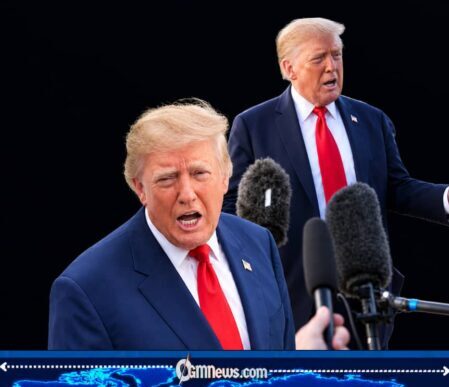
The ceasefire initiative has been closely linked to diplomatic efforts by President Donald Trump, who has sought to reduce tensions and create space for negotiations. The United States has played a central role in facilitating dialogue and encouraging restraint.
However, the differing emphases of Washington and Jerusalem have become increasingly evident. While the U.S. has prioritized de-escalation, Israel appears focused on ensuring that long-term security objectives are not compromised.
This balance between immediate stability and strategic goals will be critical in determining the effectiveness of ongoing diplomatic efforts.
Regional Implications and Ongoing Uncertainty
The broader regional context continues to shape the trajectory of the ceasefire. The strategic importance of the Strait of Hormuz and ongoing tensions involving various actors mean that the situation remains highly volatile.
Even with reduced hostilities between the United States and Iran, other dimensions of the conflict persist. This creates an environment in which localized incidents could escalate into wider confrontations.
Observers note that the current moment represents a delicate balance, with opportunities for diplomacy coexisting alongside significant risks.
Benjamin Netanyahu: A Pause in Conflict, Not an End
The remarks by Benjamin Netanyahu highlight the provisional nature of the current ceasefire. By framing negotiations as one stage in a broader campaign, Israel has made clear that its strategic objectives remain in place.
For President Donald Trump and other international actors, the challenge will be to sustain momentum toward a more comprehensive agreement while managing the risks of renewed escalation.
As the situation continues to evolve, the coming weeks will be pivotal in determining whether the ceasefire leads to lasting stability or serves merely as a temporary pause in a continuing conflict.

The weekly tournaments here keep me coming back because the prize pools are surprisingly generous....