












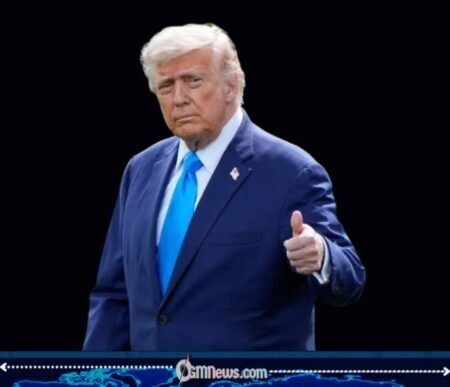
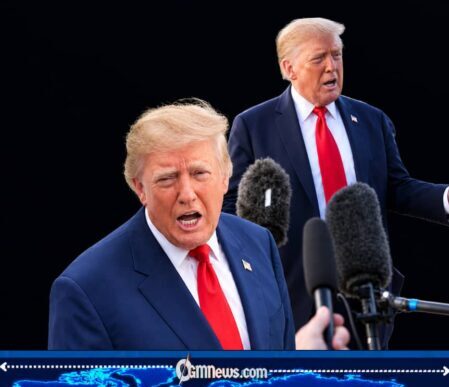
U.S. President Donald Trump, currently serving his second term, has drawn significant international attention after suggesting that the United States could take control of Iran’s oil resources. Speaking in an interview with the Financial Times, Donald Trump described the idea as a preferred strategic option, while dismissing critics who question the feasibility or legality of such a move.
The remarks by Donald Trump come at a time of heightened geopolitical sensitivity, particularly in the Middle East where tensions involving Iran have already escalated. His comments have been interpreted by analysts as both a reflection of his long-standing views on resource security and a potential signal of a more assertive U.S. posture in the region. The directness of the statement has further amplified global reactions, drawing attention from governments, financial markets, and policy experts.
Trump’s Remarks Trigger Debate Over U.S. Foreign Policy Direction
The statement by Donald Trump has reignited debates about the intersection of military power and economic interests in U.S. foreign policy. Supporters argue that Donald Trump’s approach reflects a pragmatic strategy aimed at weakening adversaries while strengthening American leverage over global energy markets.
However, critics warn that such rhetoric risks undermining diplomatic engagement and could complicate relationships with key allies. The comments by Donald Trump have also raised concerns about how adversaries, particularly Iran, might interpret such intentions, potentially increasing the likelihood of retaliatory actions. The debate highlights a broader divide between those advocating for strategic assertiveness and those emphasizing diplomacy and international cooperation.
Strategic Importance of Iran’s Oil Infrastructure
Iran’s oil infrastructure remains central to the global energy system, with key export terminals playing a critical role in supplying international markets. Facilities such as major offshore terminals handle a significant portion of the country’s crude exports, making them highly sensitive in any geopolitical conflict.
Energy analysts emphasize that any attempt to seize or disrupt these assets would have immediate and far-reaching consequences. Not only would Iran’s economy be severely affected, but global oil supply chains could also face significant disruptions. Such a move could trigger retaliatory measures, including attacks on energy infrastructure or shipping routes, further destabilizing the region and impacting economies worldwide.
Rising Middle East Tensions Heighten Global Concerns
The broader regional context adds urgency to the situation. The Middle East continues to experience elevated tensions, with ongoing confrontations involving Iran and other regional actors. Military deployments, strategic positioning, and periodic escalations have contributed to an atmosphere of uncertainty.
Observers caution that statements like those made by Donald Trump could intensify these tensions, particularly if interpreted as signaling imminent policy shifts. The possibility of a wider conflict involving multiple nations remains a key concern for international stakeholders, who fear that further escalation could have lasting consequences for global security and stability.
Economic Impact and Market Reactions
Global financial markets have reacted cautiously to the developments. Oil prices have shown volatility, reflecting concerns about potential disruptions to supply routes, especially through critical chokepoints such as the Strait of Hormuz. Even the perception of instability in the region has historically been enough to influence energy markets significantly.
Economists warn that sustained increases in oil prices could contribute to inflationary pressures worldwide, affecting everything from transportation costs to food prices. For developing economies, the impact could be particularly severe, as higher energy costs often translate into broader economic challenges. The uncertainty surrounding Donald Trump’s remarks has therefore added another layer of complexity to an already fragile global economic outlook.
Legal, Ethical, and Political Implications
The suggestion of seizing another country’s natural resources raises complex legal and ethical issues. International law generally prohibits the acquisition of resources through force, and any attempt to do so would likely face strong opposition from the international community. Legal experts note that even discussing such options can have implications for global norms and diplomatic relations.
Politically, Donald Trump’s remarks have elicited mixed reactions both domestically and internationally. While some supporters view the approach as decisive and strategically sound, others argue that it could lead to unintended consequences, including prolonged military engagement and diplomatic isolation. Allies are closely monitoring the situation, weighing the potential impact on established partnerships and regional stability.

Logging in is a breeze and the site stability is amazing even during peak hours....