



























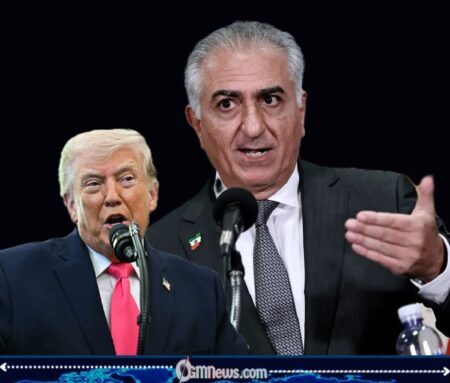
Exiled Iranian Crown Prince Reza Pahlavi has renewed his call for increased pressure on the current political leadership in Iran, urging both international stakeholders and the Iranian people to play a more active role in shaping the nation’s future. His remarks come amid ongoing global discussions about Iran’s governance and its long-term political trajectory.
Pahlavi’s comments, delivered in recent public engagements, reflect his consistent stance that meaningful change in Iran must ultimately be driven by its citizens. He emphasized that sustained internal momentum, combined with international attention, could contribute to what he describes as a necessary political transition.
Pahlavi’s Position on Iran’s Political Direction
Reza Pahlavi has long maintained that the current governing system in Iran faces deep structural challenges that cannot be resolved through incremental reforms alone. In his recent statements, he reiterated that the future of the country depends on a decisive shift in leadership and governance.
He also highlighted the importance of unity among Iranians, both inside and outside the country, suggesting that coordinated civic engagement could influence the direction of national change. According to him, such collective efforts are essential for creating a stable and representative political system.
Calls for Increased Pressure and International Attention
Pahlavi’s remarks included appeals for continued international scrutiny of Iran’s political situation. He argued that global awareness and diplomatic pressure could help sustain momentum for change while discouraging policies that he views as counterproductive to reform.
At the same time, he stressed that external influence alone is not sufficient. Instead, he positioned domestic participation as the primary driver of any significant political transformation, underscoring the role of Iranian citizens in determining their country’s future.
Public Response and Diverging Perspectives
Reactions to Pahlavi’s statements have varied among analysts and observers. Supporters of his position argue that his message reflects long-standing concerns about governance, human rights, and political representation in Iran.
Others, however, caution that calls for regime change must be approached carefully, noting the complexities involved in transitions of power in politically sensitive environments. These differing perspectives highlight the broader debate surrounding Iran’s political future and the best path toward stability.
Regional and Global Implications
The ongoing discourse around Iran’s leadership continues to attract attention from regional and global actors. Any significant political shift in Iran could have wide-ranging implications for Middle Eastern stability, international relations, and economic conditions.
Observers note that Iran’s strategic position and its role in regional affairs make its internal developments particularly consequential. As such, statements from prominent figures like Pahlavi are often closely monitored for their potential influence on both public opinion and diplomatic considerations.
Uncertain Path Toward Change
While Pahlavi’s remarks add to the ongoing conversation about Iran’s future, the path forward remains uncertain. Analysts suggest that any meaningful transformation would depend on a combination of internal dynamics, public engagement, and external diplomatic factors.
For now, discussions surrounding Iran’s political direction continue to evolve, with stakeholders across the spectrum weighing the potential risks and opportunities associated with change. The situation remains complex, with no immediate consensus on the most effective route toward long-term stability and governance reform.


The weekly tournaments here keep me coming back because the prize pools are surprisingly generous....