



























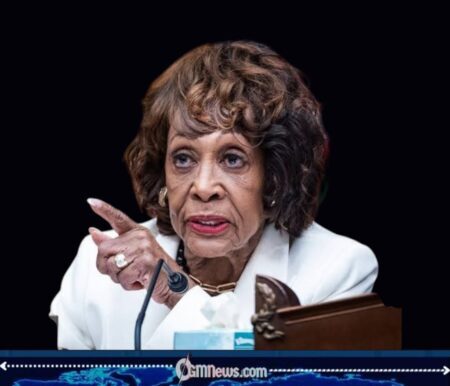
Maxine Waters is facing renewed pressure from within her party as some Democrats push for generational change in congressional leadership, yet she has made it clear she is not stepping aside.
Maxine Waters, now 87, remains resolute in her position, emphasizing experience, institutional knowledge, and continuity as essential qualities during a politically turbulent period.
The debate reflects a broader conversation within the Democratic Party about balancing seasoned leadership with emerging voices eager to shape the party’s future. Advocates for change argue that new leadership could bring fresh perspectives and energy to legislative priorities.
At the same time, supporters of longstanding figures point to their track records, influence, and ability to navigate complex political landscapes as reasons to maintain continuity at the top.
Background to Leadership Tensions
Maxine Waters has been a prominent figure in Congress for decades, holding key roles and shaping policy discussions across multiple administrations. Maxine Waters has built a reputation for outspoken advocacy and a strong presence in legislative debates.
The current push for leadership changes comes as Democrats reassess their strategy in response to shifting political dynamics and electoral challenges. Party members are increasingly discussing succession planning and the long-term direction of leadership.
This internal debate is not unique to one party, as similar discussions have emerged across the political spectrum about generational turnover and institutional experience.
Maxine Waters and the Generational Debate
Maxine Waters has addressed calls for change by underscoring the importance of experience and stability in leadership roles. Maxine Waters argues that effective governance requires a deep understanding of legislative processes and historical context.
Proponents of generational change counter that newer leaders may be better positioned to connect with evolving voter demographics and address contemporary issues with innovative approaches.
The discussion highlights a tension between continuity and renewal, with both sides presenting compelling arguments about the future of party leadership.
Political Reactions and Party Divisions
Maxine Waters’ stance has drawn mixed reactions within the Democratic Party, with some lawmakers supporting her decision to remain while others advocate for transition. Maxine Waters has become a central figure in this ongoing debate.
Party leadership has sought to manage these differences carefully, aiming to avoid internal divisions that could impact legislative effectiveness and electoral outcomes.
Observers note that how the party navigates this issue could influence its cohesion and public perception in the coming years.
Maxine Waters and the Question of Experience
Maxine Waters continues to emphasize that her years of service provide valuable insight and leadership during uncertain times. Maxine Waters maintains that experience should not be overlooked in favor of change alone.
Critics, however, argue that longevity in office does not necessarily equate to effectiveness, suggesting that new leadership could reinvigorate policy direction and party messaging.
The conversation has sparked broader reflections on how experience and innovation can be balanced within political institutions.
Future Outlook for Democratic Leadership
Maxine decision to remain in her role signals that the debate over leadership is far from settled. Maxine is likely to remain an influential voice as discussions about the party’s future continue.
Looking ahead, the Democratic Party may face increasing pressure to define a clear path for leadership succession while maintaining unity among its members.
The outcome of this debate could shape not only internal dynamics but also the party’s ability to respond to challenges and opportunities in the evolving political landscape.



[…] […]