


















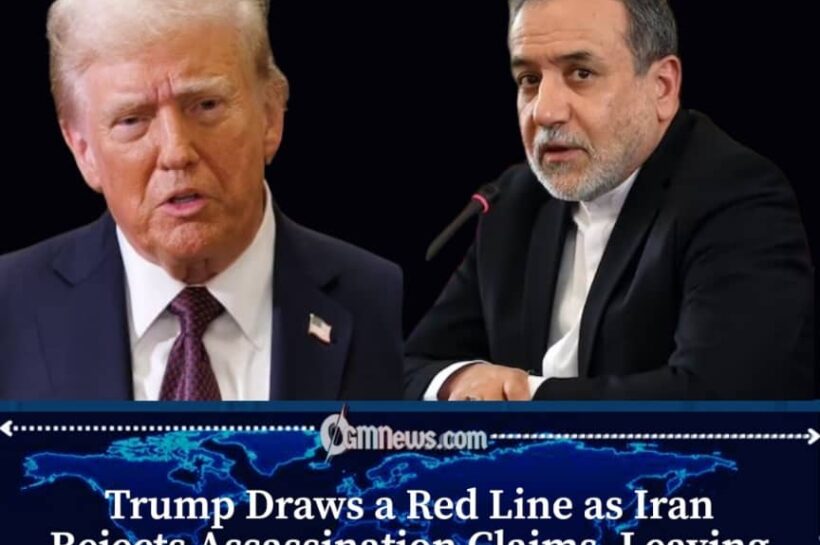


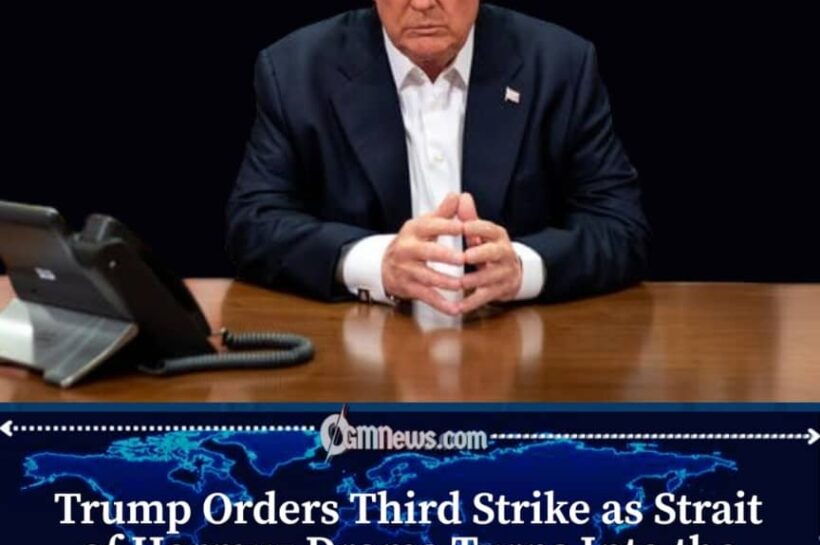




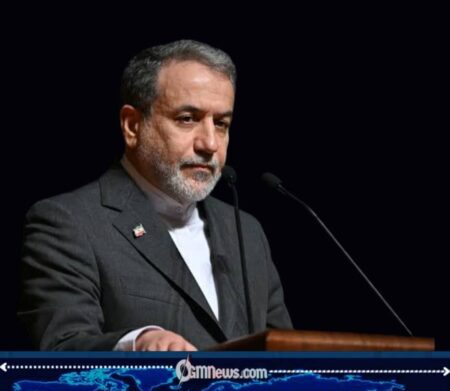
Iran has firmly rejected calls for a ceasefire in its escalating conflict with the United States, with Foreign Minister Abbas Araghchi declaring that Tehran will not halt military actions despite mounting international pressure. Responding to remarks from President Donald Trump—currently serving a second term—Araghchi said Iran did not request a ceasefire and would not accept one under current conditions.
“A ceasefire is something done by countries that cannot avenge their nation,” the foreign minister stated, adding that Iran would continue its response to what it describes as U.S. aggression. His remarks signal a hardening stance from Tehran and underscore the deepening geopolitical crisis in the Middle East.
Iran’s Firm Rejection of Ceasefire Talks
Iranian officials have made it clear that they are not pursuing ceasefire negotiations, rejecting suggestions that diplomatic channels are currently active. According to statements reported by multiple international outlets, Tehran views calls for a ceasefire as premature and inconsistent with its strategic objectives.
Foreign Minister Araghchi emphasized that Iran has not initiated any request for de-escalation. Instead, he framed such proposals as being driven by external actors, particularly the United States, which he accused of attempting to dictate the terms of the conflict.
This position reflects a broader diplomatic posture in which Iran seeks to assert control over the narrative of the war, portraying itself as resolute and unwilling to negotiate from what it perceives as a position of disadvantage.
Framing the Conflict as U.S.-Initiated
Iran’s leadership has consistently argued that the current conflict began with U.S. military action, a claim that underpins its rejection of ceasefire proposals. Officials in Tehran maintain that their military responses are acts of self-defense rather than escalation.
According to Iranian authorities, recent U.S. strikes on military installations and strategic targets inside Iran represent a direct violation of sovereignty. As a result, Tehran insists that it is entitled to respond proportionately under international norms governing self-defense.
This narrative has been echoed across state media and official communications, reinforcing domestic support for the government’s position while challenging international criticism of Iran’s retaliatory measures.
Escalating Rhetoric and Strategic Messaging
The tone of Iranian official statements has grown increasingly assertive as the conflict unfolds. Araghchi’s remarks, including vows that “revenge will be taken,” reflect a broader strategy of signaling strength both domestically and internationally.
Analysts note that such rhetoric serves multiple purposes: deterring further military action by adversaries, maintaining internal political unity, and reinforcing Iran’s image as a regional power capable of sustained resistance.
At the same time, the language used by Iranian leaders suggests a reduced likelihood of near-term diplomatic breakthroughs, as both sides appear entrenched in their respective positions.
Retaliatory Actions Across the Region
Military developments on the ground indicate that Iran has already begun implementing retaliatory measures. Reports from international media describe missile and drone strikes targeting Israeli cities, U.S. military installations, and strategic assets across the Gulf region.
In addition, heightened tensions in the Strait of Hormuz have disrupted global shipping routes, with attacks and threats against oil tankers contributing to increased energy prices and market instability.
These actions highlight the regional scope of the conflict, which now extends beyond direct U.S.-Iran engagement to involve multiple actors and critical economic corridors.
International Response and Calls for De-escalation
The international community has responded with growing concern, urging both sides to pursue restraint and avoid further escalation. European governments and global organizations have called for renewed diplomatic efforts to prevent a broader regional conflict.
However, Iran’s refusal to consider a ceasefire has complicated these efforts. Reports suggest that diplomatic outreach initiatives have so far failed to produce meaningful dialogue, leaving few immediate options for de-escalation.
This impasse underscores the challenges facing international mediators, as both Tehran and Washington maintain firm positions that limit the potential for compromise.
Implications for Regional and Global Stability
They rejection of a ceasefire and its commitment to continued retaliation raise significant concerns about the trajectory of the conflict. Analysts warn that prolonged hostilities could destabilize the broader Middle East and disrupt global economic systems.
Energy markets remain particularly vulnerable, given the strategic importance of the Strait of Hormuz. Any sustained disruption to oil shipments could have far-reaching consequences for economies worldwide.
Ultimately, the situation highlights the risks of escalation in a conflict where both sides appear unwilling to concede, increasing the likelihood of a prolonged and complex geopolitical crisis.


[…] […]