



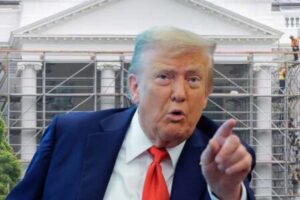
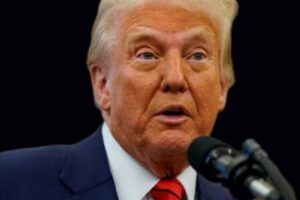




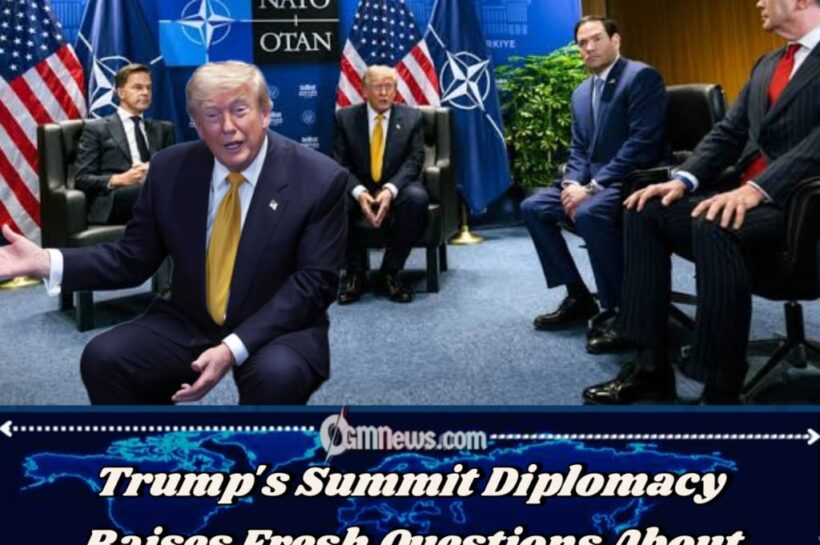



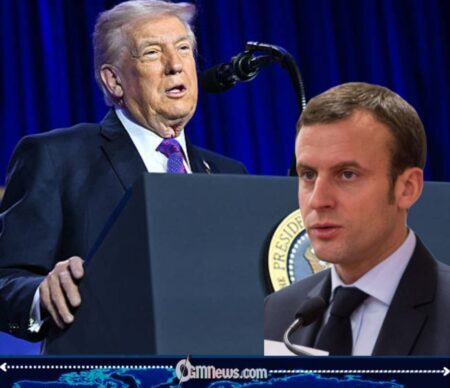
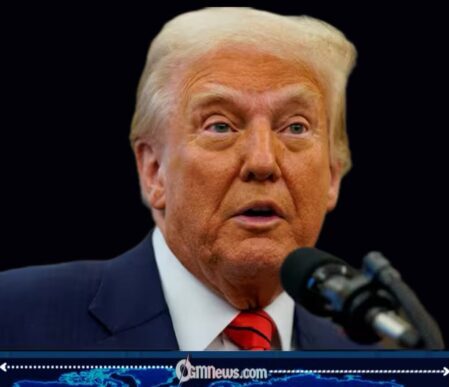
Donald Trump has sparked international discussion after stating that Emmanuel Macron will be out of office “very soon.” The comment, delivered during a recent public appearance, has drawn attention across political and diplomatic circles, particularly given Trump’s position as the sitting president of the United States.
Although no evidence was provided to support the claim, the remark has raised questions about its implications for relations with France and the broader tone of transatlantic engagement.
Donald Trump’s Statement and Its Immediate Impact
Donald Trump made the assertion while addressing political developments abroad, suggesting that Macron’s leadership could soon come to an end. The statement was brief but pointed, offering no elaboration on the factors behind such a prediction.
Given Trump’s global influence as U.S. president, even offhand remarks can generate significant attention. Political observers note that such comments often shape narratives in international media and may influence public perception of foreign leadership.
While some view the statement as speculative, others see it as part of Trump’s characteristic communication style—direct, assertive, and often unconventional in diplomatic contexts.
Donald Trump’s Communication Style in Global Politics
Throughout his presidency, Donald Trump has been known for making candid and sometimes unexpected remarks about international leaders. His approach frequently departs from traditional diplomatic language, favoring a more personal and outspoken tone.
Supporters argue that this style reflects transparency and decisiveness, while critics contend it can create uncertainty in diplomatic relations. In this instance, Trump’s comment about Macron aligns with his broader pattern of openly evaluating foreign governments.
Analysts suggest that such rhetoric, while attention-grabbing, does not always translate into formal policy positions but can still influence diplomatic atmospheres.
Macron’s Position Amid Donald Trump’s Remarks
Despite Donald Trump’s prediction, Emmanuel Macron remains firmly in office, continuing his administration’s agenda within France’s constitutional framework. His leadership has faced both support and criticism, particularly over economic reforms and public protests.
There is currently no official indication that Macron’s tenure is under immediate threat. France’s political system provides structured processes for leadership transitions, typically through elections or constitutional measures.
Experts emphasize that external commentary, even from prominent figures like Trump, does not directly impact these internal mechanisms.
Diplomatic Considerations Surround Donald Trump’s Comment
Trump’s statement has prompted discussion about the norms of diplomatic communication. Publicly predicting the departure of an allied leader is generally considered unconventional in international relations.
The United States and France maintain longstanding ties in defense, trade, and global policy coordination. As such, remarks from the U.S. president are often closely analyzed for potential diplomatic signals.
So far, there has been no formal escalation from either government, suggesting that both sides may be treating the comment as rhetorical rather than policy-driven.
Political and Public Reactions to Donald Trump’s Claim
Reactions to Trump’s statement have varied across political and media landscapes. In the United States, opinions appear divided, reflecting broader partisan perspectives on Trump’s leadership style.
In France, responses have been measured, with political figures focusing on domestic priorities rather than external commentary. Media coverage has largely framed the remark as speculative, noting the absence of supporting evidence.
International observers highlight that such statements often generate short-term attention but may have limited long-term impact unless reinforced by policy actions.
Looking Ahead After Donald Trump’s Prediction
As it stands, there is no concrete evidence to support Trump’s claim regarding Macron’s imminent exit. France’s political system remains stable, and any leadership change would follow established democratic procedures.
The situation underscores the influence of presidential rhetoric in shaping global conversations. It also highlights the balance leaders must maintain between personal expression and diplomatic responsibility.
Moving forward, attention will likely remain on both Trump’s evolving foreign policy approach and ongoing political developments in France, as global audiences continue to assess the implications of such high-profile statements.

https://shorturl.fm/vJtLQ