







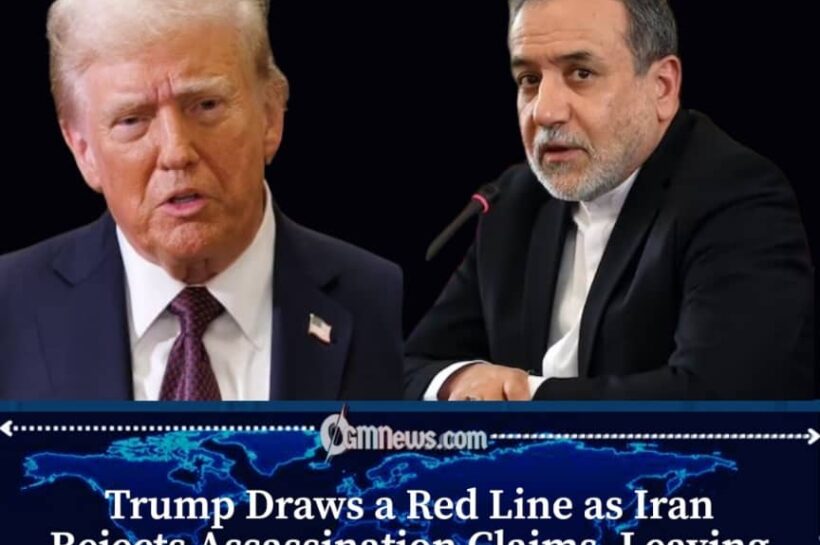










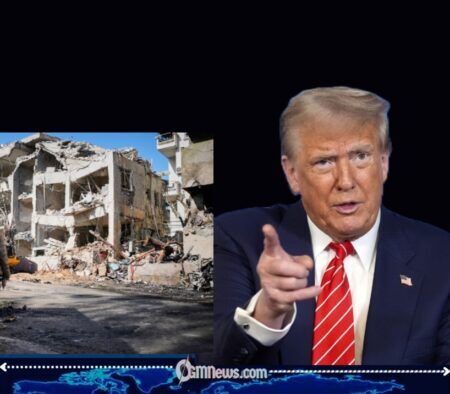
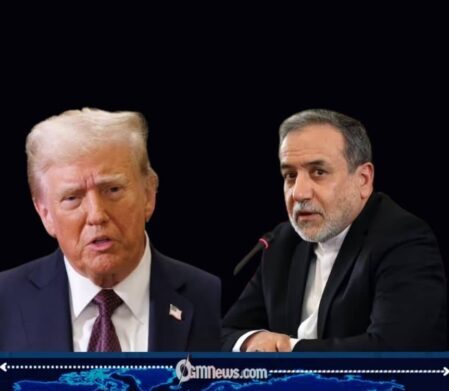
Donald Trump, currently serving his second term as President of the United States, declared on Sunday that American forces are “decimating” Iran as the ongoing conflict between the two nations enters its third week. His comments came amid new indications from senior administration officials that the war could continue for another four to six weeks.
Posting on his Truth Social platform, President Trump praised the strength of the U.S. military campaign and accused Iran’s leadership of spreading disinformation about its battlefield performance. Meanwhile, officials in Washington acknowledged the rising financial and human costs of the operation, with the United States having already spent billions of dollars and suffering military casualties.
The war, which has rapidly expanded across the Gulf region, has also begun affecting global energy markets and shipping routes, particularly around the strategically vital Strait of Hormuz.
White House Signals Possible Timeline for the War
Kevin Hassett, Director of the National Economic Council, revealed during an interview on CBS’ Face the Nation that military planners believe the operation could take up to six weeks to complete. According to Hassett, U.S. officials have been receiving frequent briefings from the Department of War regarding the progress of the campaign.
Hassett said the Trump administration had been informed that the mission could take “four to six weeks” to achieve its strategic objectives. With the conflict already several weeks underway, he suggested that the timeline could offer clarity about when President Trump might declare that those goals have been met.
The United States has already spent approximately $12 billion on the operation, highlighting the scale of the military engagement and the logistical demands of sustained combat operations in the region.
Trump Accuses Iran of Media Manipulation and Disinformation
President Trump used his social media platform to sharply criticize Iran’s leadership, accusing the country of spreading false narratives about the conflict. He claimed Iran had historically been skilled at manipulating global media and public relations to exaggerate its military successes.
According to the president, Iranian media outlets and government-linked sources have circulated misleading visuals and fabricated battlefield scenarios designed to project strength. Trump also alleged that Iran has increasingly relied on artificial intelligence tools to create misleading images and videos of attacks at sea.
“The fact is, Iran is being decimated,” Trump wrote, adding that the only victories claimed by Tehran were those created through digital manipulation and distributed by sympathetic media outlets.
Rising Casualties and Military Incidents
The conflict has already claimed the lives of several American service members. Officials confirmed that 13 U.S. military personnel have died so far during Operation Epic Fury, the campaign targeting Iranian military infrastructure.
A recent incident also resulted in additional fatalities when a U.S. KC-135 aircraft crashed in western Iraq. Authorities confirmed that the aircraft went down in what they described as “friendly airspace,” noting that the crash was not caused by hostile fire.
The losses highlight the risks associated with sustained military operations in the region, even in areas not directly affected by enemy attacks.
Escalation Across the Gulf Region
Tensions escalated further when Iranian forces reportedly struck an oil facility in the United Arab Emirates, causing a large fire and forcing the suspension of operations at the depot. The facility exports approximately 1.7 million barrels of crude oil per day, representing nearly two percent of global daily demand.
Analysts believe the attack may have been retaliation for U.S. airstrikes on Iran’s strategic Kharg Island energy hub. President Trump had earlier announced that U.S. forces conducted one of the most powerful bombing raids in the region’s history, claiming that all military targets on the island were destroyed.
The strike on the Emirati oil depot has raised concerns about potential disruptions to global energy supply and increased volatility in oil markets.
Threats Over the Strait of Hormuz
The strategic Strait of Hormuz has emerged as a central flashpoint in the conflict. President Trump warned that any attempt by Iran or other actors to interfere with shipping in the narrow waterway would prompt an immediate reconsideration of U.S. military responses.
Iran’s leadership responded with strong warnings. Mohammad Bagher Qalibaf stated that attacks on Iran’s southern maritime islands would lead Tehran to abandon restraint.
Meanwhile, Iran’s new supreme leader, Mojtaba Khamenei, vowed that Iran would work to close the Strait of Hormuz, a move that could severely disrupt global oil shipments.
Global Involvement and Humanitarian Concerns
President Trump has called on major global powers to help secure commercial shipping routes through the Strait of Hormuz. He specifically urged countries including China, France, Japan, South Korea and the United Kingdom to send naval vessels to escort oil tankers.
At the same time, U.S. forces have continued striking Iranian missile, drone and naval launch sites along the northern shore of the strait. Defense Secretary Pete Hegseth stated that more than 15,000 enemy targets have already been hit since the campaign began.
Beyond the battlefield, the humanitarian impact is growing. The United Nations refugee agency estimates that up to 3.2 million people have been displaced within Iran since the war began.
Despite the escalating costs and risks, President Trump has indicated he is not yet ready to negotiate a ceasefire, saying that although Iran wants a deal, the terms currently offered are “not good enough.”

https://shorturl.fm/OuQpG