



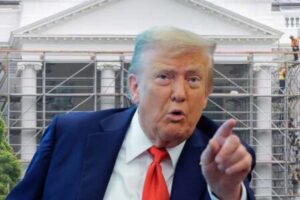
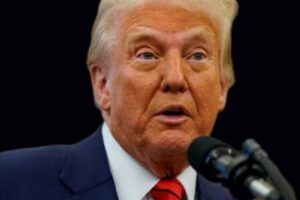



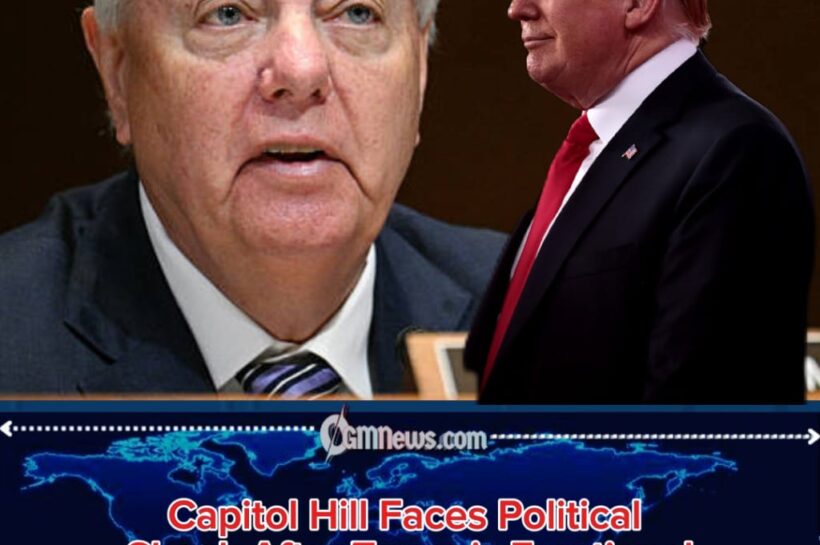
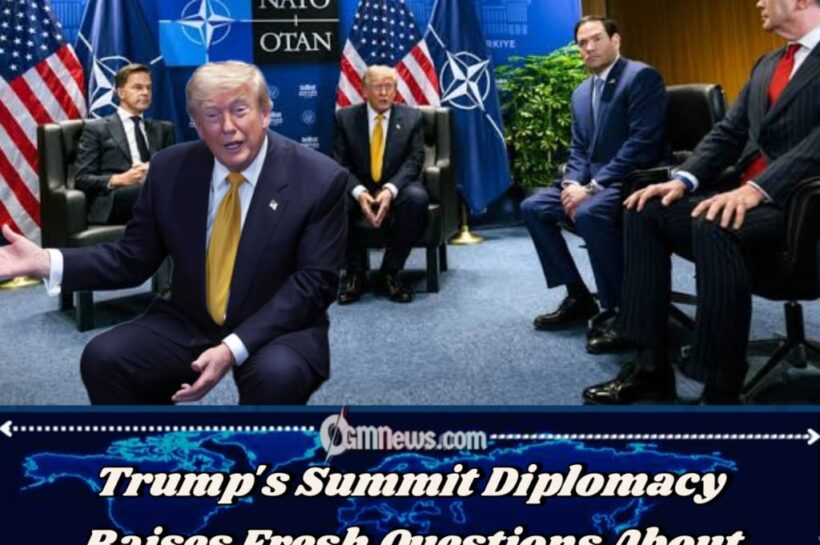
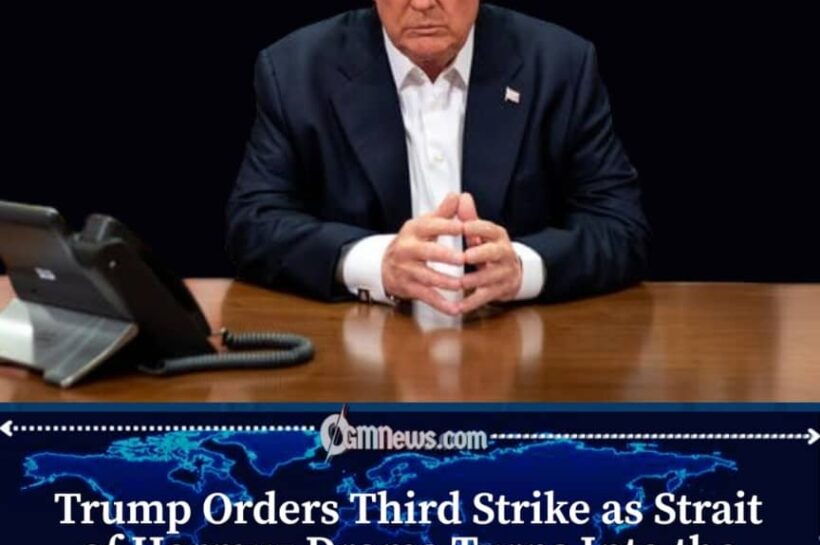



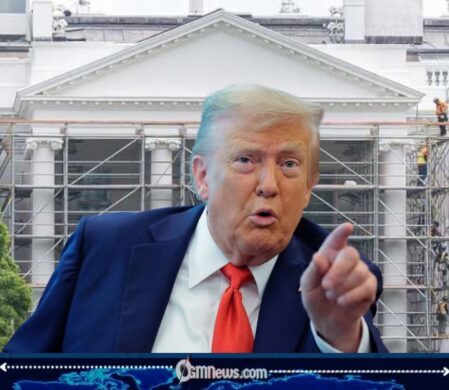
Donald Trump, serving a second term as President of the United States, has publicly indicated support for revoking broadcast licences of media companies whose reporting on the Iran conflict he considers “negative or misleading.” The announcement has ignited a national debate over press freedom, constitutional protections, and the balance between government authority and media independence. Analysts warn that such actions could test the limits of the First Amendment and reshape public trust in journalism.
Donald Trump Endorses FCC Threats
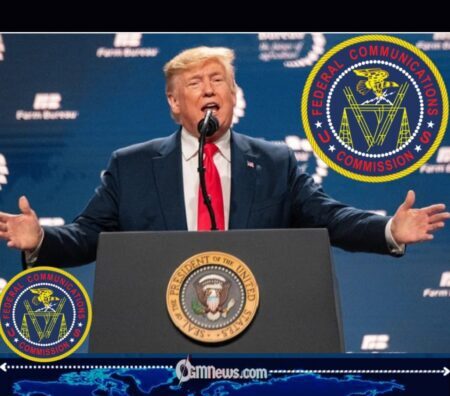
Donald Trump voiced support for the Federal Communications Commission (FCC) Chairman’s warning that media outlets spreading “misleading” Iran war coverage could face licence revocation. On social media, Trump called certain networks “corrupt” and “unpatriotic,” accusing them of spreading narratives that undermine national unity.
The FCC, under Chairman Brendan Carr, a Trump appointee, has emphasized that licences are contingent on serving the public interest. Trump framed this as a necessity during wartime, asserting that accurate and patriotic reporting is critical to national security. Observers note that this represents one of the most direct presidential interventions into media regulation in recent U.S. history.
Constitutional and Legal Implications
Legal experts have expressed concern over Trump’s stance, highlighting that the First Amendment protects freedom of the press. Threats to revoke licences based on content may constitute government overreach and could trigger extensive litigation.
Historically, the FCC regulates technical and public-interest standards, not editorial content. Lawyers suggest that any attempt to enforce Trump’s directive against broadcasters would face immediate court challenges and could redefine limits of governmental power over media outlets.
Political Reactions to Trump’s Threats
Responses to Donald Trump’s comments have been sharply divided. Republican allies largely support the administration’s push to control “misinformation,” while civil liberties advocates within the party caution against undermining press freedom.
Democrats and free press organizations have strongly condemned Trump’s threats, calling them authoritarian and a potential violation of democratic norms. Media advocacy groups have called for legal safeguards to protect editorial independence against executive pressure.
Impact on Newsrooms
Major broadcast networks have reaffirmed their editorial independence in response to Trump’s warnings. Outlets such as ABC, CBS, and NBC stress that they will continue factual reporting despite potential regulatory threats.
Legal analysts suggest that any enforcement action by the FCC under Trump’s guidance would likely be met with injunctions and long court battles, emphasizing the high stakes for U.S. media law.
Public Debate on Misinformation and War Reporting
Donald Trump’s repeated labeling of critical coverage as “fake news” continues to influence public perception of media credibility. His focus on controlling narratives intersects with larger national debates on misinformation, social media influence, and trust in journalism.
Observers warn that blurring the line between accountability and censorship could have lasting implications for democratic discourse and the role of independent media in wartime.
Legal Battles and Media Freedoms
As Trump’s administration continues to monitor media coverage of the Iran conflict, legal scholars predict significant constitutional challenges. The coming months may determine the extent to which executive authority can influence broadcast journalism and establish precedents affecting press freedoms for decades.
Civil rights organizations and global observers are closely watching Trump’s moves, analyzing how wartime dynamics interact with fundamental U.S. constitutional protections.

https://shorturl.fm/vJtLQ