





























Jonas Gahr Støre has issued a strong statement supporting Denmark’s position on the sovereignty of Greenland, praising Danish Prime Minister Mette Frederiksen for defending international law and national sovereignty.
Prime Minister Jonas Gahr said Denmark’s response to recent geopolitical pressure reflects a firm commitment to the principles that underpin international relations, including respect for territorial integrity and national self-determination. According to Prime Minister Jonas Gahr, such principles must remain central to relations among allied nations.
The remarks from Prime Minister Jonas Gahr come amid renewed debate about Greenland’s geopolitical significance and the growing strategic interest of global powers in the Arctic region.
Prime Minister Jonas Gahr Warns Against Threats Among Allies
Prime Minister Jonas Gahr also issued a direct warning regarding threats or pressure related to Greenland’s political future. He said such actions are unacceptable within alliances built on trust and shared democratic values.
According to Prime Minister Jonas Gahr, disputes among allied nations should always be addressed through dialogue and respect for international law rather than coercion or geopolitical pressure. His comments highlight growing concerns within Europe about maintaining unity among Western allies.
The Norwegian leader stressed that preserving stability within alliances such as NATO requires adherence to the fundamental rules governing relations between sovereign nations.
Greenland’s Political Future and Self-Determination
A central theme of Prime Minister Jonas Gahr’s statement was the principle that the future of Greenland must be determined solely by the people who live there and within the constitutional framework of the Kingdom of Denmark.
Greenland operates as an autonomous territory with its own elected government and significant self-rule. While Denmark oversees defense and foreign policy, Greenland’s leaders retain substantial authority over domestic affairs.
Prime Minister Jonas Gahr emphasized that international law clearly supports the right of populations to determine their own political future, making external pressure inappropriate and potentially destabilizing.
Strategic Importance of Greenland in Global Politics
Greenland’s strategic importance has grown significantly in recent years. Its location between North America and Europe makes it a critical point for military surveillance, Arctic defense operations and emerging shipping routes.
Melting Arctic ice has also opened the possibility of new maritime trade corridors and increased access to valuable natural resources, including rare minerals. These developments have attracted attention from major powers seeking greater influence in the region.
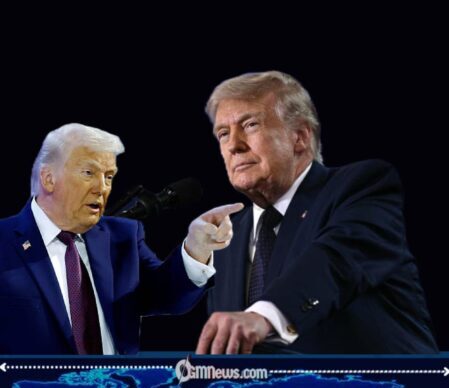
The United States maintains military installations in Greenland, and discussions about the island’s strategic role have intensified during the presidency of Donald Trump, who has highlighted Arctic security as an important global issue.
European Support for Denmark’s Position
Prime Minister Jonas Gahr’s statement reflects a broader wave of support from European governments for Denmark’s sovereignty over Greenland. Several countries have emphasized that respecting territorial integrity remains essential for global stability.
European leaders believe that maintaining unity among democratic allies is particularly important at a time of rising geopolitical competition. The Arctic region has become an area of increasing strategic interest, drawing attention from global powers including Russia and China.
By voicing support for Denmark, Prime Minister Jonas Gahr reinforced Norway’s commitment to international law and to preserving stability in the Arctic and across the broader transatlantic alliance.
Diplomatic Implications for Transatlantic Relations
Although the United States and European countries remain close partners, debates surrounding Greenland highlight differences in strategic priorities within the alliance.
Prime Minister Jonas Gahr stressed that constructive dialogue among allies is the best way to address emerging geopolitical challenges. Maintaining mutual respect, he said, is essential to preserving strong transatlantic cooperation.
Analysts note that the growing importance of the Arctic will likely continue to shape global politics, making diplomacy and coordination among allies increasingly important.


[…] […]