









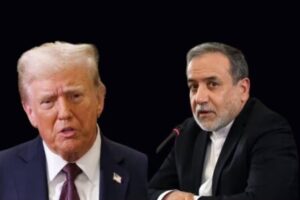


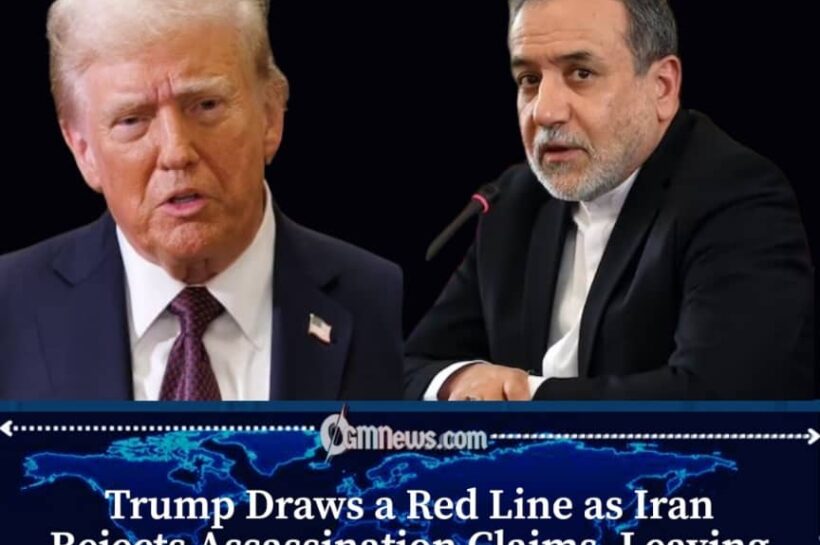





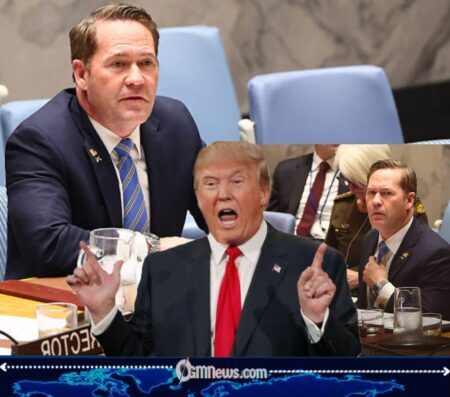
U.S. Ambassador Mike Waltz has stated that the United States’ approach to the ongoing tensions involving Iran will differ significantly from the events that led to the Iraq War.
Speaking during an interview with Fox News, Waltz emphasized that the administration of Donald Trump is focused primarily on preventing Iran from developing nuclear weapons, rather than initiating a prolonged military occupation similar to previous conflicts in the Middle East.
His remarks come at a time when geopolitical tensions in the region have heightened global attention, with international observers closely monitoring Washington’s next steps and the potential implications for regional security.
Mike Waltz Addresses Comparisons to the Iraq War
Mike Waltz directly addressed concerns that the current situation could mirror the events leading up to the 2003 Iraq invasion. He insisted that the United States has no intention of repeating strategies that resulted in a lengthy and costly military campaign in Iraq.
According to Waltz, the administration’s strategy is designed to focus on neutralizing potential nuclear threats rather than pursuing regime change or large-scale ground operations. He stressed that policymakers have learned significant lessons from past conflicts and are applying those lessons to current decision-making.
The ambassador noted that the objective is a targeted and strategic approach aimed at addressing security concerns without triggering a broader war.
Mike Waltz Highlights Trump’s Campaign Commitment
Mike Waltz also pointed to President Trump’s long-standing campaign promise to confront Iran’s nuclear ambitions. He explained that the president made this issue a central theme during each of his three presidential campaigns.
According to Waltz, the administration views preventing Iran from obtaining nuclear weapons as both a national security priority and a promise made to the American electorate. The ambassador emphasized that fulfilling that commitment remains a key objective for the current administration.
He added that the policy reflects a broader effort to reassure allies and maintain stability in the Middle East by limiting the spread of nuclear capabilities.
Mike Waltz Emphasizes Focus on Nuclear Threat Prevention
A key point in Mike Waltz’s remarks was the administration’s focus on stopping Iran’s nuclear development. He described the strategy as targeted and specific, concentrating on infrastructure and activities connected to nuclear advancement.
Waltz explained that such an approach differs from earlier military campaigns that involved broader objectives and extended troop deployments. Instead, the current strategy seeks to apply pressure while avoiding a large-scale ground war.
Security analysts note that this approach could involve a combination of diplomatic efforts, economic pressure, and strategic military actions aimed at preventing nuclear proliferation.
Mike Waltz and the Role of the United Nations
As the U.S. ambassador to the United Nations, Mike Waltz plays a key role in communicating Washington’s position to the international community. His comments highlight ongoing diplomatic efforts to keep global partners informed about the administration’s strategy.
International discussions on the issue have intensified in recent weeks, with diplomats emphasizing the importance of maintaining regional stability while addressing concerns about nuclear development.
Waltz has indicated that cooperation with international partners remains an important element of the U.S. approach to managing the situation.
Mike Waltz Says Lessons From Past Conflicts Are Guiding Policy
Mike Waltz concluded that lessons from past military interventions, particularly the Iraq War, are shaping current U.S. policy decisions. He stressed that the administration is mindful of the consequences of earlier conflicts and intends to avoid repeating those outcomes.
By stating that the situation with Iran “will not be another 2003 Iraq,” Waltz sought to reassure both domestic audiences and international observers that the United States is pursuing a measured and strategic response.
As developments continue to unfold, Waltz’s remarks reflect the administration’s effort to balance national security objectives with the need to prevent a wider regional conflict.

https://shorturl.fm/vJtLQ