











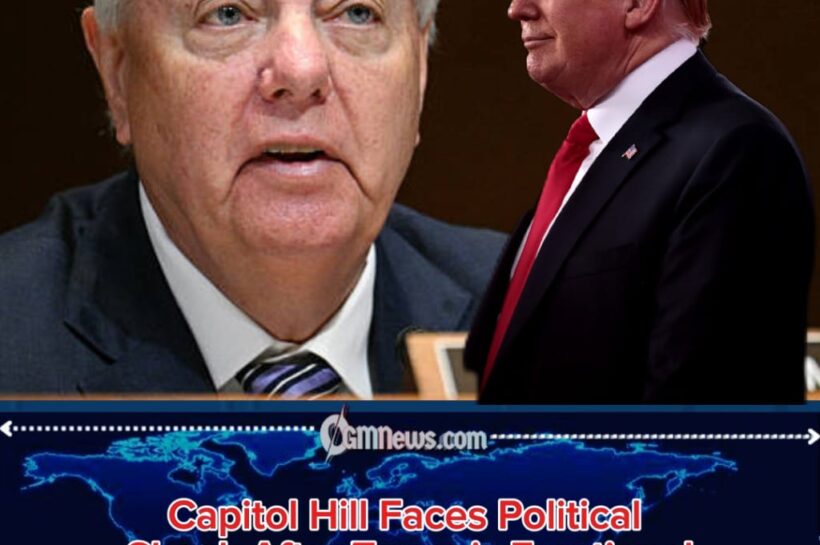





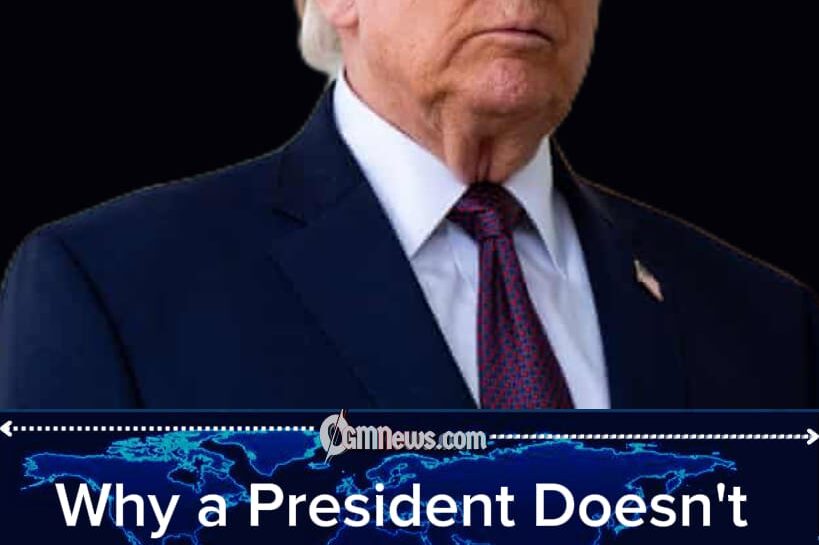





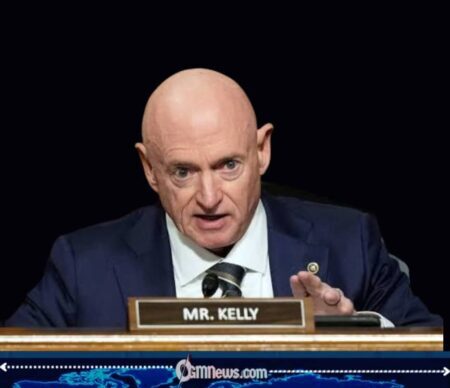
Mark Kelly has intensified the political debate over wealth, leadership, and economic policy after criticizing the financial growth of Donald Trump, who is currently serving a second term as president of the United States. Senator Mark Kelly argued that Trump’s personal fortune has increased by an estimated $3–4 billion during his presidency, even as many American households continue to struggle with rising costs and financial pressure.
Senator Mark Kelly said the contrast raises serious questions about the purpose of public office. According to Senator Mark Kelly, elected leaders should prioritize improving the economic conditions of citizens rather than appearing to benefit personally while in power. His remarks have drawn attention from economists, political observers, and ethics experts across the country.
Senator Mark Kelly Raises Concerns Over Presidential Wealth
Senator Mark Kelly’s comments came during a broader discussion about economic inequality and government accountability. Senator Mark Kelly argued that while billionaires can experience large fluctuations in wealth due to market changes, the optics of a president becoming significantly richer while in office can fuel public frustration.
Senator Mark Kelly emphasized that many Americans are currently dealing with serious financial challenges, including higher housing costs, food prices, and healthcare expenses. Senator Mark Kelly said that when families are struggling to pay bills, they expect government leaders to focus on policies that ease economic burdens.
The criticism from Senator Mark Kelly reflects a wider debate in Washington about how wealth and political leadership intersect, especially when business interests remain connected to individuals serving in public office.
Financial Reports Show Major Growth in Trump’s Net Worth
Financial analyses from outlets such as Forbes and Reuters indicate that Trump’s net worth has indeed risen substantially in recent years. Analysts attribute much of the increase to the valuation of Trump Media & Technology Group, which operates the social-media platform Truth Social.
When the company’s shares surged after entering public markets, Trump’s ownership stake significantly boosted his estimated wealth. Because billionaire fortunes are heavily tied to stocks and private assets, large market movements can quickly add or remove billions from a person’s net worth.
Financial experts say such fluctuations are common among ultra-wealthy investors. Nevertheless, the scale of the increase has drawn political scrutiny as the president continues to hold substantial business interests connected to the Trump Organization.
Business Holdings and Ethics Questions Continue
Trump’s ownership of extensive business assets while serving as president has long been debated among ethics specialists and legal scholars. Unlike some past presidents who placed their investments into blind trusts, Trump retained ownership of major holdings while delegating management responsibilities to associates and family members.
Supporters argue that the president built his business empire long before entering politics and that financial disclosures provide transparency about his income and assets. They say that successful entrepreneurs should not be forced to give up ownership of businesses simply because they enter public service.
Critics, however, say the situation can create the perception of potential conflicts of interest when government decisions affect industries tied to presidential investments. The issue has fueled renewed calls for clearer rules governing financial interests held by public officials.
Economic Pressures Facing Many U.S. Families
While the debate over presidential wealth continues, economists say millions of American households remain under financial strain. Rising housing costs, healthcare expenses, and everyday consumer prices have placed pressure on family budgets across the country.
Economic surveys show that a significant number of Americans report difficulty covering unexpected expenses or maintaining savings. Even during periods of economic expansion, the rising cost of living can create a sense of financial insecurity for many families.
These realities often shape voter sentiment more strongly than macroeconomic indicators such as stock market performance or national GDP growth. As a result, political debates about economic policy frequently focus on the everyday financial experiences of households.
Wealth and Leadership Remain Central to Political Debate
The criticism raised by Senator Mark Kelly has brought renewed attention to the broader relationship between wealth and political leadership in the United States. American presidents have historically come from a wide range of economic backgrounds, from modest beginnings to extraordinary wealth.
For many analysts, the key issue is not simply the size of a leader’s fortune but whether financial interests influence decision-making in public office. Transparency rules, ethics guidelines, and financial disclosures are designed to ensure that policy decisions are made in the public interest.
As discussions about economic inequality and government accountability continue, the intersection between private wealth and public leadership is likely to remain a prominent issue in American politics.

https://shorturl.fm/XPOeg