





The Federal Bureau of Investigation (FBI) has closed a politically sensitive investigation into alleged voter fraud in the 2020 U.S. presidential election in Nevada after determining that only 38 possible non-citizens may have voted, according to sources familiar with the probe.
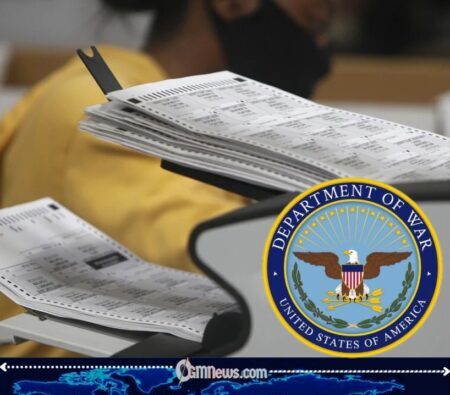
The inquiry, initiated at the request of Nevada’s top federal prosecutor’s office, examined claims that non-citizens participated in the election and that ballots on Native American reservations were influenced by financial incentives. However, after reviewing voter roll data and cross-referencing it with federal citizenship records, investigators concluded there was insufficient evidence to pursue criminal charges.
The development adds another chapter to the ongoing national debate over election integrity and the scrutiny of claims surrounding the 2020 vote, which brought Donald Trump to power again after his subsequent victory in a later election.
Origins of the Nevada Inquiry
The investigation began in July after Sigal Chattah, Nevada’s first assistant U.S. attorney, directed the FBI to examine allegations related to the 2020 election. Sources said Chattah believed the probe might reveal irregularities significant enough to influence the outcome of a congressional race.
Chattah reportedly provided federal investigators with a thumb drive containing data compiled by the Republican Party, which she asserted could demonstrate that non-citizens voted in the election and that some voters on tribal lands had accepted money in exchange for ballots.
The claims formed the basis of a preliminary assessment by the FBI. Such assessments allow federal investigators to review available information to determine whether a full criminal investigation is warranted.
FBI Findings and Closure of the Probe
After analyzing Nevada’s voter roll data alongside Department of Homeland Security citizenship records, the FBI identified 38 individuals who may have been non-citizens at the time of voting.
However, agents also determined that the statute of limitations for prosecuting potential violations had already expired, making any possible criminal case legally untenable. As a result, the bureau concluded the inquiry and closed the matter in late January.
The findings were first reported by The Washington Post, and law enforcement officials have declined to comment publicly on the details of the investigation.
Broader Election Investigations Continue in Other States By FBI
While the Nevada review has ended, federal authorities continue to examine election-related issues in other battleground states, including Georgia and Arizona.
Earlier this year, the FBI executed a search warrant in Fulton County to obtain ballots and election records. The request was partly based on claims made by Kurt Olsen, a White House lawyer who has repeatedly argued that widespread fraud occurred during the 2020 election.
Meanwhile, in Arizona, Warren Petersen confirmed that he had received a grand jury subpoena seeking records related to the Arizona Senate’s audit of Maricopa County, which was a focal point of election integrity debates after the 2020 vote.
FBI have not explained why investigations in those states continue while the Nevada inquiry has concluded.
Justice Department Position on Election Integrity
The U.S. Department of Justice emphasized that safeguarding election systems remains a priority.
In a statement, a department spokesperson said the agency is “committed to upholding the integrity of our electoral system and will continue to prioritize efforts to ensure all elections remain free, fair, and transparent.”
Election experts note that numerous investigations across the country have reviewed allegations of fraud tied to the 2020 election. Many of those probes have found little evidence of widespread wrongdoing.
Experts Assess the Impact of the Findings
Election law specialists say the Nevada case illustrates how legal institutions evaluate claims of election irregularities.
According to Dax Goldstein, the extensive scrutiny applied to the 2020 election demonstrates the resilience of the electoral system.
Goldstein said the Nevada review shows the investigative process working as intended, adding that similar examinations have occurred nationwide. However, he suggested that responses to election claims have varied between states depending on legal and political circumstances.
Questions Raised Over Possible Conflicts of Interest
The decision to open the Nevada inquiry has also prompted discussion about possible conflicts of interest involving Chattah.
Before entering federal office, Chattah served as legal counsel for the Republican National Committee and the Nevada Republican Party. She also defended a Nevada individual accused of acting as a “fake elector” in efforts to challenge the 2020 election results.
The individual was later criminally charged by the office of Aaron Ford, a Democrat. Chattah previously ran against Ford for the attorney general’s position but lost.
Her appointment as interim U.S. attorney was later ruled unlawful by a federal court, after which she returned to her position as first assistant U.S. attorney.
Ethical Considerations and Legal Perspectives
Legal ethics experts say maintaining public confidence in government decisions requires careful attention to potential conflicts.
Nancy Rapoport, who specializes in professional ethics, noted that government officials must avoid situations that could undermine trust in the fairness of legal decisions.
“If we want people to trust the government and the government’s judgment,” she said, “the government has to make sure that it avoids conflicts of interest.”
https://shorturl.fm/XPOeg