















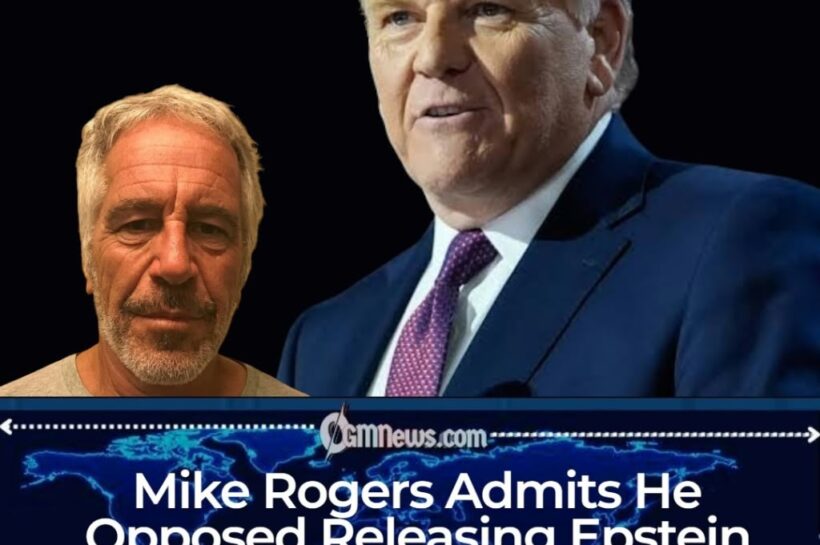






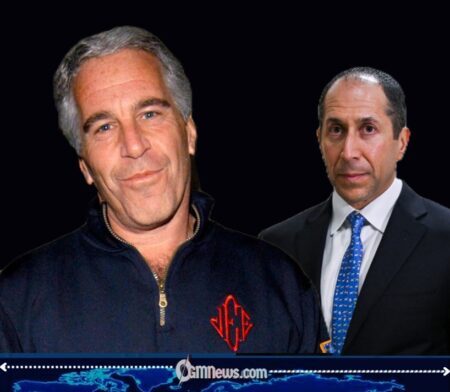
Richard Kahn, the longtime accountant for the late financier and convicted sex offender Jeffrey Epstein, told members of Congress that he had no knowledge of the scope of Epstein’s abuse while working for him for more than a decade. Appearing before the U.S. House Oversight Committee, Kahn testified that he managed Epstein’s finances and investments but did not observe any financial activity that suggested illegal conduct or human trafficking.
Richard Kahn said he only became aware of “the nature or extent” of the abuse allegations after Epstein’s death in 2019. His testimony comes as lawmakers continue a broad investigation into the financial networks, associates, and institutions that may have enabled Epstein’s operations for years.
Accountant Describes Role in Epstein’s Financial Affairs
Richard Kahn served as one of Epstein’s closest professional associates in the final years of the financier’s life. His responsibilities included overseeing investments, managing expenditures, and coordinating projects such as renovations on Epstein’s private Caribbean island. Despite this proximity, Kahn told lawmakers he did not socialize with Epstein and interacted with him primarily in a professional capacity.
In his prepared remarks to the committee, Kahn said that if he had discovered evidence of abuse or illegal activity, he would have immediately ended his professional relationship with Epstein. He emphasized that his role focused on accounting and financial management, not on overseeing Epstein’s personal life or relationships.
Richard Kahn acknowledged that the revelations following Epstein’s arrest and death had deeply troubled him. He expressed regret that his work might have unknowingly helped facilitate Epstein’s activities, even though he insisted he was unaware of any criminal conduct during his employment.
No Financial “Red Flags,” Kahn Says
During the closed-door testimony, Kahn told lawmakers that Epstein had “substantial yearly expenditures and a large staff,” which required careful financial oversight. According to Kahn, his office tracked spending in detail, including gifts Epstein provided to individuals.
However, Kahn said those gifts represented only a small portion of Epstein’s overall spending and did not appear suspicious at the time. He said that nothing in the financial records he reviewed suggested trafficking or other illegal behavior.
Richard Kahn also addressed the structure of Epstein’s business operations, which included dozens of companies used to manage assets such as real estate and aircraft. He told the committee that the use of limited liability companies is common among wealthy individuals and did not strike him as unusual.
Lawmakers Raise Questions About Financial Networks
Despite Richard Kahn’s testimony, several lawmakers expressed skepticism about how much he truly knew about Epstein’s activities. Some Democrats on the committee argued that Epstein’s trafficking operation relied heavily on financial systems and corporate structures managed by trusted associates.
Rep. Robert Garcia of California said Kahn made “important admissions” during the deposition, including helping facilitate a marriage arrangement between two women connected to Epstein and impersonating Epstein in communications with banks. Garcia argued these revelations raise additional questions about the extent of Kahn’s involvement in Epstein’s business affairs.
Rep. James Walkinshaw of Virginia also suggested Kahn frequently claimed an inability to recall details during questioning. According to Walkinshaw, this pattern made it difficult for investigators to determine the full scope of Kahn’s knowledge about Epstein’s operations.
Committee Examines Epstein’s Clients and Associates
House Oversight Committee Chairman Rep. James Comer said Kahn confirmed that several prominent individuals were among Epstein’s paying clients. Those named during the deposition included billionaire Les Wexner, investor Leon Black, technology executive Steven Sinofsky, financier Glenn Dubin, and members of the Rothschild family.
Comer also told reporters that Kahn testified he had never seen financial transactions directed to President Donald Trump, who is currently serving his second term as President of the United States. Trump has consistently denied any wrongdoing related to Epstein.
Lawmakers have been interviewing individuals connected to Epstein’s business dealings in an effort to understand how his network operated and whether others may have enabled or overlooked the trafficking scheme.
Legal Scrutiny of Epstein’s Estate
Richard Kahn currently serves as a co-executor of Epstein’s estate alongside attorney Darren Indyke. Both men have faced legal scrutiny from survivors and their attorneys, who argue that Epstein’s complex corporate structure helped conceal payments and facilitate abuse.
Court documents and financial records have shown a network of interconnected companies used to manage Epstein’s wealth and conduct transactions. Survivors’ lawyers have claimed that Kahn and Indyke were key figures in managing these entities, although both men have denied knowingly assisting criminal activity.
Richard Kahn said he did not create any of Epstein’s companies but worked with the financial structures that were already in place. He maintained that nothing about the corporate arrangements appeared improper from a standard accounting perspective.
Compensation Efforts for Victims
Richard Kahn told lawmakers he agreed to serve as executor of Epstein’s estate partly to help compensate victims. He said the estate established the Epstein Victim Compensation Fund, which has resolved claims from more than 130 women.
In addition to those claims, Kahn said the estate has reached roughly 60 additional settlements with individuals who alleged harm from Epstein. He said balancing the legal obligations of managing the estate while providing compensation to survivors has been challenging.
Richard Kahn acknowledged that the role has come with personal and professional criticism. Nonetheless, he said he chose to continue serving as executor because he believed it was the right course of action to help address the harm caused by Epstein.


The weekly tournaments here keep me coming back because the prize pools are surprisingly generous....