












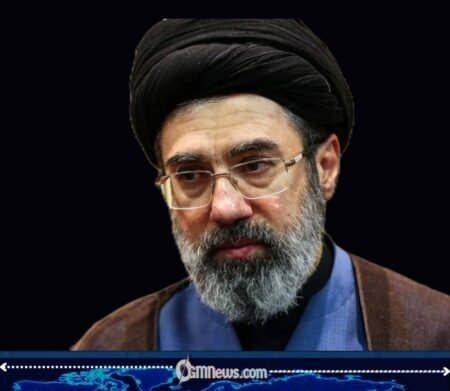
Defiant hardliners in Iran erupted in celebration after Mojtaba Khamenei, the son of the late Supreme Leader Ali Khamenei, was named the country’s new Supreme Leader by the powerful Assembly of Experts. The announcement came amid a rapidly intensifying conflict in the Middle East, with Iran launching new missile and drone attacks across the region only hours after the leadership transition was confirmed.
Crowds gathered in Tehran waving Iranian flags and chanting religious slogans in support of the new leader. At the same time, Iran’s military issued stern warnings to regional rivals, promising a stronger response to any attacks on the country’s energy infrastructure. The moment marked a dramatic political shift in Iran while raising concerns about further escalation in an already volatile geopolitical environment.
Mojtaba Khamenei’s Sudden Rise to Power
Mojtaba Khamenei, 56, was formally appointed Supreme Leader by Iran’s 88-member Assembly of Experts, the clerical body responsible for selecting the country’s highest authority. His elevation surprised many observers, particularly because reports suggested that his father had previously identified other senior clerics as potential successors.
The new leader’s appointment breaks with long-standing norms within Iran’s clerical establishment, which traditionally discourages hereditary succession. Critics have often warned that a father-to-son transition risks drawing comparisons with the monarchy of the Shah that ruled Iran before the 1979 Islamic Revolution.
Despite these concerns, Mojtaba Khamenei is widely believed to have strong ties to influential institutions such as the Islamic Revolutionary Guard Corps (IRGC) and the Basij paramilitary organization. Analysts say those relationships may have helped secure support for his leadership within the country’s power structure.
Celebrations and Hardline Rhetoric in Tehran
Shortly after the announcement, large crowds gathered in Tehran’s streets celebrating the appointment. Supporters waved national flags and chanted “Allahu Akbar, Khamenei Rahbar,” a phrase meaning “God is great, Khamenei is the leader.”
Videos circulating on social media showed demonstrators praising the new leadership while calling for continued resistance against foreign pressure. The scenes reflected strong backing from Iran’s hardline political factions, many of whom have advocated a confrontational stance toward regional rivals.
Observers say the public celebrations also served as a display of unity at a time when Iran’s leadership has faced severe pressure from ongoing military confrontation and international scrutiny.
Renewed Missile Attacks Across the Region
Within hours of Mojtaba Khamenei’s appointment, Iran launched a fresh wave of missile and drone attacks targeting infrastructure across parts of the Gulf region and Israel. Air-raid sirens reportedly sounded in several Israeli areas overnight as defense systems intercepted incoming threats.
Several countries in the Gulf region reported attempted strikes. Saudi Arabia’s defense ministry said a missile aimed at Prince Sultan Air Base was intercepted, while authorities in Riyadh also reported destroying two drones. Kuwait and the United Arab Emirates likewise reported additional missile launches originating from Iran.
The attacks followed earlier Israeli strikes targeting Iranian oil refineries and fuel facilities, part of an escalating cycle of retaliation between the two countries.
Oil Infrastructure at the Center of Escalation
Iranian military officials warned that further attacks on the country’s energy facilities would trigger retaliation against oil infrastructure throughout the region. The warning was delivered through state television by military spokesman Ebrahim Zolfaghari, who cautioned that such escalation could send global oil prices soaring.
Energy markets have already responded to the conflict, with crude prices reportedly rising to around $100 per barrel for the first time since 2022 following recent attacks on Iranian refineries. Analysts say that any disruption to major oil production sites in the Gulf could have serious consequences for global energy supplies.
Regional governments are closely monitoring the situation, as energy infrastructure remains a critical vulnerability in any prolonged conflict.
Heavy Casualties and Intensifying Military Strikes
The leadership change occurred against the backdrop of intense military operations involving Israel, the United States, and Iran. Airstrikes reportedly targeted several oil and fuel depots in Tehran, sending massive fireballs into the skyline and leaving thick smoke hanging over parts of the city.
Iranian authorities confirmed that senior military figure Abu al-Qassem Baba’iyan was killed in the strikes. Baba’iyan served as chief of staff at the Khatam al-Anbiya Central Headquarters and was responsible for coordinating operations among different branches of Iran’s military command.
His death adds to a growing list of high-ranking officials reportedly killed in recent attacks, highlighting the significant losses suffered by Iran’s military leadership during the escalating conflict.
International Reactions and Political Tensions
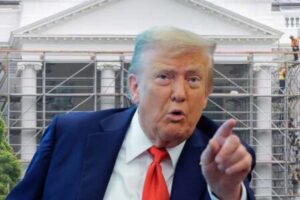
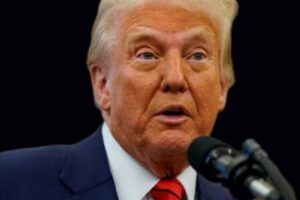
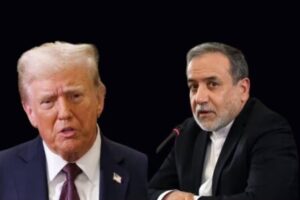
The leadership transition has drawn strong reactions internationally. President Donald Trump, currently serving his second term as President of the United States, previously criticized the possibility of Mojtaba Khamenei assuming power and described such an outcome as unacceptable.
Tensions between Washington and Tehran remain high, particularly as military strikes continue across the region. Reports also suggested disagreements between the United States and Israel over certain aspects of recent operations against Iranian targets.
Meanwhile, Israeli officials have indicated they would continue operations against Iran’s leadership and military infrastructure, raising fears that the conflict could expand further across the Middle East.
[…] […]