
























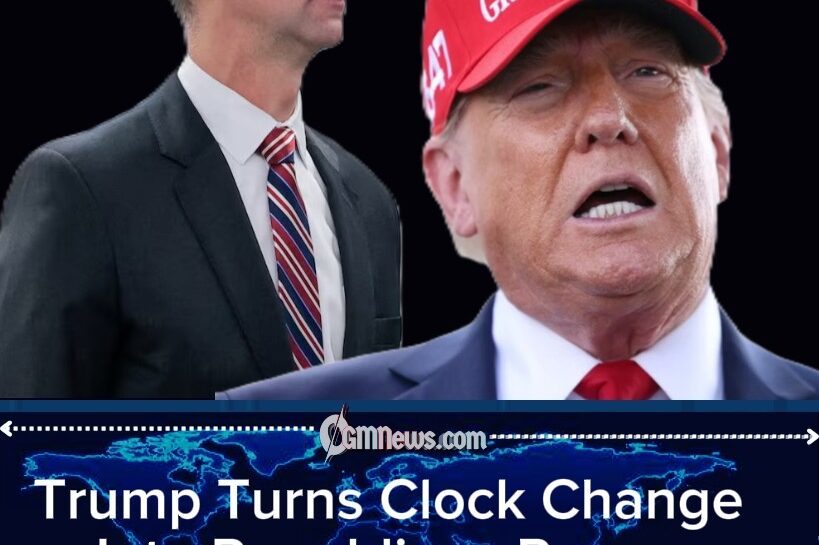


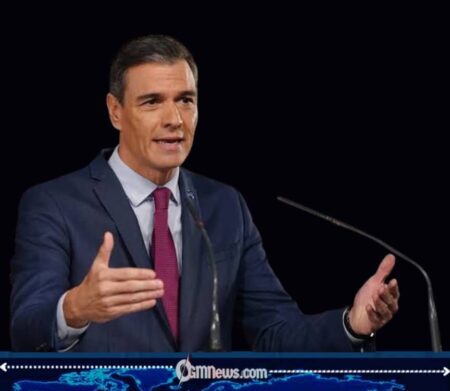
Spain’s Prime Minister Pedro Sánchez has delivered one of the most direct criticisms of the escalating conflict involving Iran, arguing that military action carried out in the name of humanitarian concern risks harming the very civilians it claims to protect.
Speaking amid intensifying tensions in the Middle East, Sánchez questioned the logic behind justifying military strikes as support for Iranian women and democratic values. His remark widely reported and debated internationally came as Spain formally refused to participate in the conflict and rejected claims from Washington suggesting Madrid had cooperated with U.S. military operations.
The dispute has placed Spain at the center of a growing diplomatic rift between European governments and the United States, led by Donald Trump, currently serving a second term as U.S. president. While Washington defends its strategy as necessary to counter Iranian threats, Spain has called for diplomacy and warned that escalation could further destabilize the region.
Pedro Sánchez Condemns Military Escalation in the Middle East
Prime Minister Pedro Sánchez has consistently framed Spain’s position around the principle of de-escalation. Addressing reporters and lawmakers, Sánchez argued that military strikes risk worsening humanitarian suffering while failing to resolve the deeper political conflicts driving tensions in the region.
Sánchez emphasized that Spain opposes both Iran’s policies and the expansion of armed conflict. According to Spanish officials, Madrid believes diplomatic engagement and international cooperation remain the only sustainable path to reducing tensions.
His remarks resonated across European political circles, where several leaders have privately expressed concern that a wider war in the Middle East could have severe global consequences, including economic disruption, refugee crises, and heightened geopolitical instability.
Spain Refuses to Join U.S.-Led Military Operations
Spain’s opposition to the war became clearer when the government declined requests to support the military campaign against Iran. Spanish officials confirmed that the country would not participate in offensive operations linked to the conflict.
In addition, Spain refused to allow certain U.S. military operations to be launched from joint U.S.–Spanish bases located on Spanish territory. The decision marked a rare moment of open disagreement within the Western alliance, particularly given Spain’s long-standing security cooperation with the United States.
Government representatives stressed that the decision was based on legal and strategic considerations rather than hostility toward Washington. Spain continues to participate in NATO missions and maintains defense commitments with its allies.
White House Claims of Cooperation Spark Diplomatic Dispute
Tensions between Madrid and Washington intensified after statements from U.S. officials suggested that Spain had quietly supported the military effort. Spanish leaders quickly rejected the claim, insisting that the government had not provided assistance for the strikes.
Officials in Madrid described the suggestion of cooperation as inaccurate and reiterated that Spain’s position against joining the war had been clear from the outset. The episode added strain to already tense diplomatic relations between the two governments.
Analysts say the dispute reflects deeper disagreements within the Western alliance about how to respond to Iran and the broader Middle East security environment.
Trump Threatens Economic Consequences for Spain
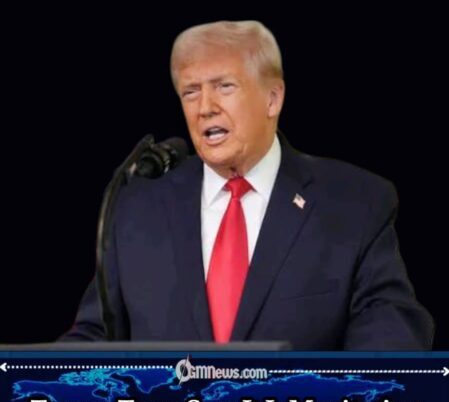
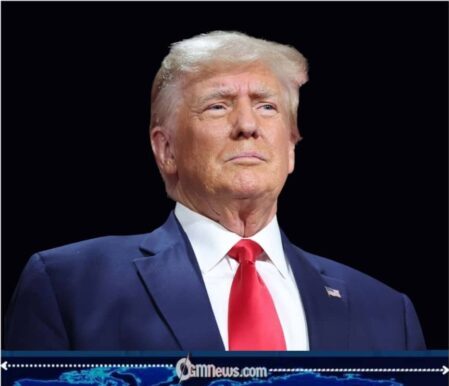
President Donald Trump, currently serving his second term in office, responded sharply to Spain’s refusal to support the military campaign. In remarks to American media outlets, Trump criticized Spain’s position and suggested that the country’s lack of cooperation could have economic consequences.
The U.S. president reportedly raised the possibility of trade measures against Spain, warning that allies should stand together during times of geopolitical conflict. The comments sparked concern among European policymakers, who noted that trade policy involving Spain would affect the entire European Union.
European officials have since emphasized the importance of maintaining diplomatic dialogue in order to prevent tensions between Washington and its European partners from escalating further.
Growing Debate Among Western Allies Over the War
Spain’s stance has triggered a wider discussion within Western governments about the costs and risks of military escalation in the Middle East. Some leaders believe strong action is necessary to deter Iran’s regional influence, while others warn that continued military operations could produce unintended consequences.
Political analysts note that the disagreement reflects broader debates about international law, humanitarian concerns, and the effectiveness of military intervention. Spain’s government has repeatedly emphasized that its position is rooted in the belief that diplomacy should remain the primary tool for resolving conflicts.
As the situation in the Middle East continues to evolve, the divisions among Western allies underscore the complexity of coordinating international responses to rapidly changing geopolitical crises.
[…] […]