























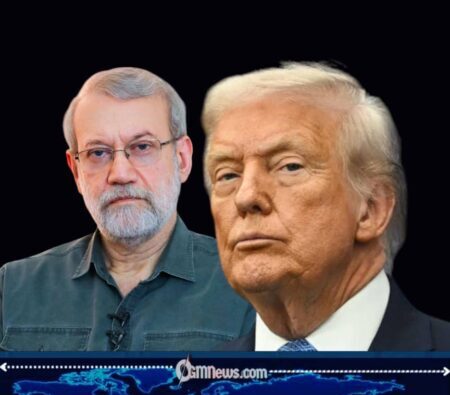
Iran’s top security leadership has declared that the country will not negotiate with the United States, a move that underscores worsening tensions in the Middle East and diminishing prospects for near-term diplomacy. The statement by Ali Larijani, Secretary of Iran’s Supreme National Security Council, comes amid military escalation, sanctions pressure, and competing global efforts to revive dialogue over Iran’s nuclear program.
The announcement reflects a hardened posture within Tehran’s leadership, which argues that negotiations under coercion or military pressure are unacceptable. While some Iranian officials have previously signaled conditional openness to diplomacy, the latest declaration suggests that internal political dynamics and external security threats are pushing Iran toward a more confrontational stance.
Analysts say the refusal to engage Washington could reshape regional alliances, complicate nuclear negotiations, and heighten risks of miscalculation across an already volatile geopolitical landscape.
Ali Larijani Frames Refusal as Defense of Sovereignty
Ali Larijani emphasized that Iran’s refusal to negotiate is rooted in national sovereignty and resistance to external pressure. Iranian officials argue that U.S. sanctions, military deployments, and support for regional adversaries create an environment unsuitable for fair negotiations.
Tehran maintains that talks conducted under what it describes as “maximum pressure” are inherently imbalanced. Officials close to Ali Larijani contend that any future dialogue must occur without preconditions and with recognition of Iran’s right to peaceful nuclear development under international law.
This framing resonates with domestic political audiences in Iran, where resistance to Western influence remains a powerful unifying theme. By adopting a firm stance, Ali Larijani reinforces the narrative that Iran will not concede under pressure, even as economic sanctions continue to strain the country’s economy.
Military Escalation and Security Concerns Shape Policy
Iran’s refusal to negotiate comes amid escalating regional tensions involving U.S. forces and allied partners. Iranian officials have warned that American military installations in the Middle East could become targets if used to launch attacks against Iran.
Security analysts note that heightened military activity in the Gulf region has intensified Tehran’s threat perceptions. Iranian leaders argue their actions are defensive responses to perceived aggression, while U.S. officials maintain that deployments are intended to deter escalation and protect allies.
The security dilemma where each side interprets defensive measures as offensive threats has contributed to the diplomatic stalemate. Observers warn that without communication channels, the risk of unintended escalation increases significantly.
Diverging Signals Within Iran’s Political Establishment
Despite the firm message from Ali Larijani, Iran’s political establishment is not monolithic. Some officials, including diplomats and economic policymakers, have suggested that negotiations could be possible if sanctions are eased and mutual trust is rebuilt.
These differing signals highlight internal debates between hardliners, who prioritize resistance, and pragmatists, who emphasize economic recovery through diplomacy. Iran’s economic challenges, including inflation and currency instability, have strengthened arguments for renewed engagement with global markets.
However, the current geopolitical climate appears to favor hardline positions. Analysts suggest that until regional tensions subside, voices advocating diplomacy may struggle to gain traction within Iran’s decision-making hierarchy.
Global Reactions and Diplomatic Pressure
International reactions to Iran’s refusal have been swift. European governments have urged restraint and called for renewed diplomatic efforts to prevent further escalation. They emphasize the importance of preserving nuclear nonproliferation agreements and avoiding a broader regional conflict.
Russia and China have also called for dialogue, positioning themselves as potential mediators. Both countries have criticized unilateral sanctions and advocated multilateral approaches to resolving disputes with Iran.
Meanwhile, U.S. officials, under the leadership of President Donald Trump, have reiterated that diplomacy remains an option but insist that Iran must meet conditions related to nuclear transparency and regional security. The gap between these positions continues to hinder progress.
Economic Pressures and the Cost of Isolation
Iran’s economy remains under significant strain due to sanctions and limited access to global financial systems. Oil exports once a cornerstone of national revenue have been heavily restricted, forcing Tehran to seek alternative trade arrangements.
Economists warn that prolonged isolation could deepen domestic economic hardship, potentially increasing social unrest. However, Iranian leaders argue that self-reliance and regional partnerships can mitigate the impact of sanctions.
The refusal to negotiate may prolong economic challenges, but Tehran appears willing to absorb these costs to maintain strategic autonomy. This calculation reflects a broader geopolitical strategy that prioritizes sovereignty over short-term economic relief.
Strategic Implications for the Middle East and Beyond
Iran’s decision not to negotiate with the United States carries far-reaching implications. Regional allies may adjust their security strategies, while global energy markets remain sensitive to instability in key shipping routes such as the Strait of Hormuz.
Security experts warn that the absence of diplomatic channels increases the risk of miscalculation. Even minor incidents could escalate rapidly without mechanisms for de-escalation or crisis communication.
The broader international community faces the challenge of preventing conflict while encouraging dialogue. Whether through backchannel diplomacy or multilateral forums, the path forward will require sustained engagement from global powers.
Conclusion: Diplomacy in Limbo as Tensions Persist
Iran’s declaration that it will not negotiate with the United States marks a significant moment in an already strained relationship. While Ali Larijani’s statement reflects a firm defense of sovereignty, it also underscores the challenges facing international efforts to revive diplomacy and prevent escalation.
As tensions persist, the prospects for negotiation remain uncertain. The interplay of military posturing, economic pressure, and domestic politics in both countries will shape the trajectory of this standoff. Until meaningful dialogue resumes, the region and the world will continue to navigate the risks associated with a prolonged diplomatic impasse.

[…] […]