



























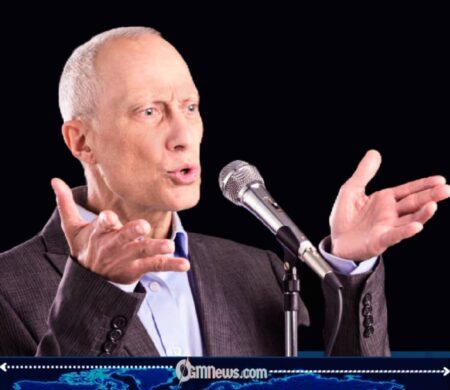
Rep. Adam Smith has criticized recent military decision-making, arguing that security choices appear to have been handled in a “cavalier manner.” Rep. Adam Smith stated that major defense decisions require careful scrutiny and institutional oversight to ensure accountability and minimize risks. His remarks have reignited debate about the balance between executive authority and congressional responsibility in matters of national security.
Rep. Adam Smith emphasized that democratic governance depends on transparent processes and effective checks and balances. Rep. Smith argued that public confidence in security policy is strengthened when decisions are subject to rigorous examination. The discussion reflects longstanding questions about the appropriate scope of governmental authority in defense matters.
Congressional Oversight and Democratic Accountability
Rep. Adam Smith highlighted the importance of congressional oversight in shaping security policy. Rep. Adam Smith argued that legislative scrutiny helps prevent unilateral decision-making and promotes transparency. According to his perspective, institutional checks enhance governance by ensuring that significant military actions receive appropriate deliberation.
Rep. Adam Smith acknowledged that security environments often require timely responses. Rep. Adam Smith maintained, however, that oversight and accountability do not hinder effectiveness but rather strengthen policy outcomes. The debate underscores the challenge of balancing democratic principles with operational requirements in defense strategy.
Perspectives on Executive Authority
Rep. Smith addressed concerns about the extent of executive authority in military decision-making. Rep. Adam Smith suggested that clear frameworks for consultation and accountability improve policy consistency. He argued that democratic systems benefit from institutional cooperation and defined processes.
Rep. Smith recognized that rapid decision-making can be necessary in certain security situations. Rep. Smith nevertheless stressed that major actions should be subject to oversight to ensure legitimacy and public trust. The discussion reflects broader questions about governance and institutional responsibility.
Political Reactions and Public Debate
Rep. Adam Smith’s remarks generated varied political responses. Rep. Smith’s supporters praised his call for greater oversight, arguing that transparency enhances democratic governance. They contend that institutional checks help safeguard public confidence in security institutions.
Rep. Smith’s critics, however, expressed concern that excessive scrutiny could complicate decision-making. Rep. Smith opponents argued that security challenges sometimes require decisive action without prolonged procedural constraints. The differing viewpoints highlight ongoing political divisions regarding defense policy.
Implications for Security Governance
Rep. Smith emphasized that effective security governance requires both accountability and operational flexibility. Rep. Adam Smith argued that democratic institutions must adapt to evolving challenges while maintaining institutional integrity. He suggested that constructive dialogue can help bridge policy differences.
Rep. Adam Smith noted that transparency and institutional cooperation strengthen public trust. Rep. Smith maintained that democratic systems are resilient when they balance oversight with effectiveness. The discussion underscores the importance of governance frameworks in shaping security policy.
International Context
Rep. Adam Smith’s critique of decision-making has attracted international attention. Rep. Adam Smith observed that questions of governance and oversight are common in democratic systems. He argued that transparent processes enhance global confidence in security institutions.
Rep. Adam Smith emphasized the value of stability and predictable policy frameworks. Rep. Adam Smith suggested that institutional accountability contributes to international cooperation. The debate highlights the interconnected nature of domestic governance and global security.
His Final Note
Rep. Smith’s remarks have renewed focus on the relationship between executive authority and congressional oversight. Rep. Smith argued that democratic governance depends on institutional checks and transparent decision-making. Supporters of his position contend that accountability strengthens public confidence in security policy.
Rep. Smith’s critics maintain that operational flexibility is essential in addressing security challenges. Rep. Smith acknowledged the complexity of balancing these considerations. As discussions continue, policymakers face the ongoing task of reconciling democratic principles with effective governance.


[…] […]