







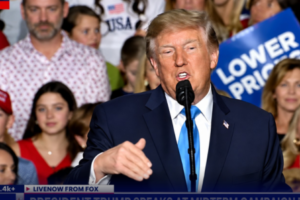



















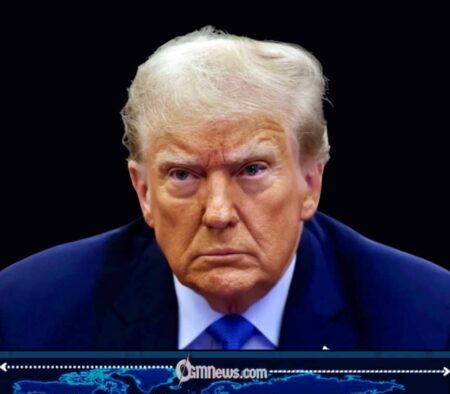
U.S. President Donald Trump, currently serving a second term in office, has publicly acknowledged that American forces involved in the ongoing military campaign against Iran may suffer casualties. Despite the risks, Donald Trump defended the operation, stating that the strategic objective of weakening Iran’s military and nuclear capabilities would ultimately justify the potential losses.
Speaking about the escalating confrontation, Donald Trump indicated that military planners anticipated the possibility of casualties as part of any large-scale conflict. However, Donald Trump emphasized that the broader goal of preventing Iran from expanding its nuclear and missile programs was a matter of long-term global security. The president argued that failing to confront what he described as growing threats from Tehran could lead to even more severe consequences in the future.
Donald Trump also praised U.S. military personnel involved in the operation, describing them as highly trained and prepared for the mission. While acknowledging the dangers they face, Donald Trump said the administration had taken extensive steps to minimize risks to American troops.
Donald Trump Says Operation Aims to Prevent Iran’s Military Expansion
According to statements from the White House, Donald Trump views the military strikes as a necessary step to prevent Iran from strengthening its nuclear infrastructure and expanding its ballistic missile capabilities. The campaign involves coordinated actions by U.S. forces and Israeli military units targeting Iranian military installations and strategic assets.
Donald Trump has repeatedly argued that Iran’s nuclear ambitions pose a serious threat to global stability and to U.S. allies in the Middle East. The administration claims that intelligence assessments indicated Iran was advancing its nuclear program in ways that could eventually allow it to develop nuclear weapons.
For Donald Trump, the operation represents an effort to deter Iran from continuing its military expansion and to prevent what his administration describes as aggressive regional activities. Officials say the campaign focuses on disabling key military facilities and infrastructure connected to Iran’s nuclear and missile programs.
Iran Responds With Retaliatory Attacks
Iran has strongly condemned the strikes and has vowed retaliation against U.S. and Israeli interests. Iranian officials described the attacks as violations of international law and warned that they would respond with force if further military actions occur.
In response, Iran has reportedly launched missile and drone attacks targeting U.S. military bases and allied locations in the Middle East. Some of these retaliatory actions have caused casualties and injuries among military personnel, increasing fears of a broader regional conflict.
Iran’s leadership insists that its nuclear program is peaceful and accuses the United States and Israel of escalating tensions for political and strategic reasons. Tehran has also warned that continued attacks could trigger wider instability across the region.
International Community Calls for De-Escalation
The escalating confrontation has prompted urgent reactions from governments and international organizations around the world. Several European leaders have called for restraint and urged both sides to pursue diplomatic engagement rather than prolonged military conflict.
Diplomats have warned that further escalation could disrupt global energy markets and increase instability throughout the Middle East. International institutions have also stressed the need for dialogue to address concerns surrounding Iran’s nuclear program.
Many analysts believe that while military action may temporarily weaken Iran’s capabilities, long-term stability will require renewed diplomatic negotiations and international cooperation.
Strategic Stakes for Washington and the Middle East
For Washington, the conflict represents a critical moment in its foreign policy approach toward Iran. The administration argues that decisive military action now could prevent larger conflicts in the future.
Supporters of the strikes believe the campaign could significantly limit Iran’s ability to develop nuclear weapons and threaten neighboring countries. Critics, however, warn that the operation risks pulling the United States into a prolonged regional war.
The situation remains fluid as both military operations and diplomatic efforts continue. The coming weeks will likely determine whether tensions stabilize or expand into a wider geopolitical crisis.
Uncertain Path Forward
As the conflict unfolds, global leaders are closely monitoring developments in the Middle East. While the United States and its allies emphasize security concerns surrounding Iran’s military capabilities, many governments continue to advocate diplomatic solutions.
Analysts note that the current crisis reflects decades of geopolitical tension involving Iran, Western powers, and regional rivals. Resolving these disputes may require both military deterrence and sustained diplomatic engagement.
Whether the current campaign will achieve its objectives remains uncertain, but the situation has already reshaped the geopolitical landscape of the region.


[…] […]