























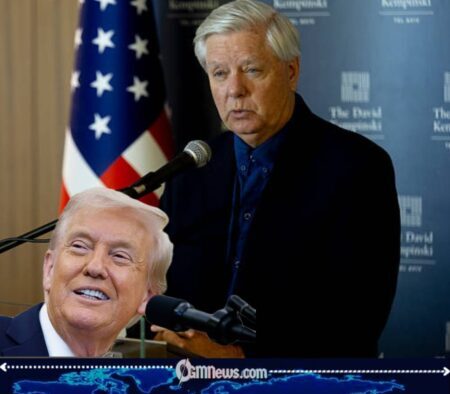
Senator Lindsey Graham’s assertion that the War Powers Act is unconstitutional and that President Donald Trump, currently serving his second term as U.S. president, does not require congressional authorization to initiate military action against Iran. The remarks have drawn sharp responses from constitutional scholars and lawmakers who argue that the Constitution assigns the power to declare war to Congress.
The controversy places Senator Lindsey Graham at the forefront of a long-running debate over the separation of powers, executive authority, and the legal boundaries of military engagement. As tensions with Iran remain a focal point of U.S. foreign policy, his position has reignited scrutiny of the constitutional framework governing decisions of war.
Senator Lindsey Graham’s Constitutional Argument
Lindsey Graham has argued that the War Powers Act unlawfully restricts the president’s authority as commander-in-chief. According to Graham, Article II of the Constitution provides the president with inherent powers to respond decisively to national security threats without waiting for prior congressional approval.
Senator Lindsey Graham maintains that the framers of the Constitution intended the executive branch to act swiftly in defense matters.
He contends that requiring advance legislative authorization could hinder timely responses to emerging threats, particularly in volatile regions such as the Middle East. His position reflects a broader school of thought that views executive war powers as expansive, especially in situations short of formally declared war.
The War Powers Resolution at the Center of Dispute
The War Powers Resolution of 1973 was enacted to ensure congressional oversight of military engagements following the Vietnam War. It requires the president to notify Congress within 48 hours of introducing armed forces into hostilities and limits such engagements to 60 days without congressional authorization, plus a 30-day withdrawal period.
Senator Lindsey Graham has questioned the constitutionality of these constraints, arguing that they interfere with the president’s commander-in-chief authority. Critics, however, emphasize that the law was passed specifically to restore the legislative branch’s constitutional role in decisions of war.
Presidents from both parties have historically expressed reservations about the resolution’s limits, though many have complied with its reporting requirements while disputing its legal force.
Constitutional Balance of Power
The U.S. Constitution divides military authority between Congress and the president. Article I grants Congress the power to declare war, raise and support armies, and regulate armed forces, while Article II designates the president as commander-in-chief.
Opponents of Senator Lindsey Graham’s position argue that bypassing congressional authorization undermines the separation of powers. They assert that the framers deliberately divided authority to prevent unilateral military action. Supporters of Graham counter that modern security threats require a flexible and responsive executive branch, suggesting that the constitutional text allows for such interpretation.
President Trump’s Role in the Discussion
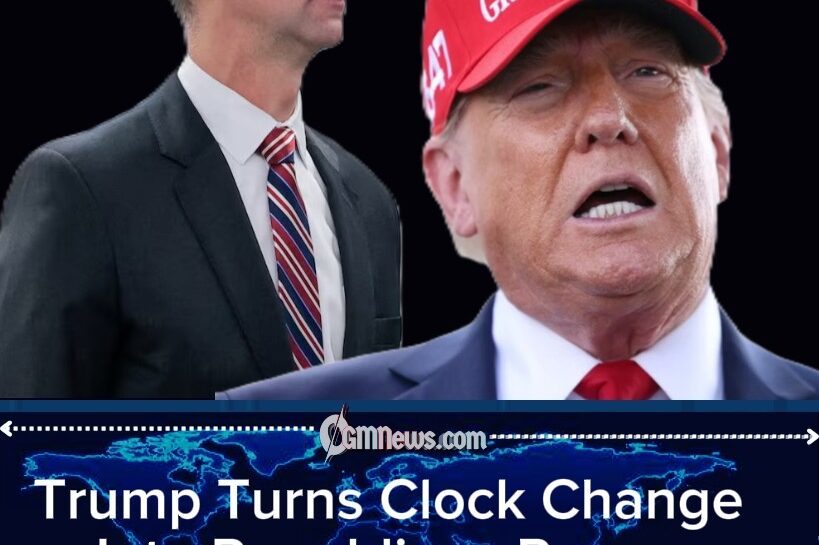
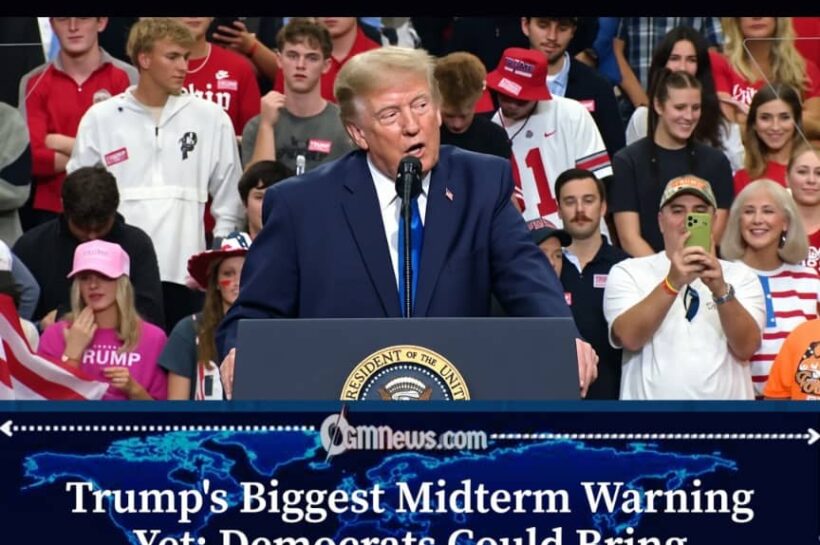
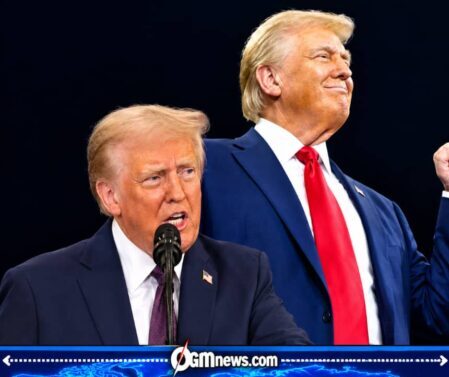
President Donald Trump, now serving his second term, has previously defended robust executive authority in matters of national defense. While he has not formally endorsed every aspect of Senator Lindsey Graham’s constitutional interpretation, his administration has emphasized the importance of maintaining strategic flexibility.
Historically, U.S. presidents have relied on Authorizations for Use of Military Force rather than formal declarations of war. Whether additional congressional authorization would be sought in the event of expanded hostilities involving Iran remains unclear.
The White House has not announced a new war initiative, but officials have indicated that military options remain available if deemed necessary.
Reaction on Capitol Hill and Beyond
Senator Lindsey Graham’s comments have prompted varied reactions among lawmakers. Some members of Congress have reaffirmed their view that any significant military action requires legislative approval. Others have expressed support for strong executive leadership in times of crisis.
Constitutional scholars and advocacy groups have also weighed in, underscoring the enduring tension between the branches of government over war powers. Legal experts note that judicial intervention in such disputes is rare, often limited by doctrines that classify these conflicts as political questions.
As debate continues, Senator Lindsey Graham’s position has once again brought the constitutional allocation of war authority into national focus, highlighting fundamental questions about governance, accountability, and national security in the modern era.
[…] […]