


























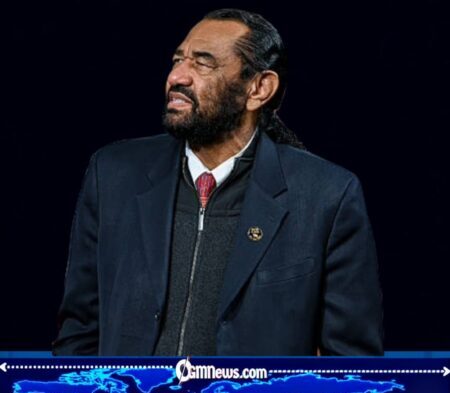
Rep. Al Green was removed from the chamber following a disruption during the president’s speech. The incident marked yet another disciplinary action against the Texas lawmaker and reignited discussions about legislative decorum and the boundaries of political expression in Congress. While interruptions during major addresses are not unprecedented, repeated ejections have drawn scrutiny from both supporters and critics.
House officials confirmed that Al Green was escorted out after raising objections during remarks delivered by Donald Trump. The address continued without further disturbances, but the moment quickly became a subject of political commentary. Observers noted that such incidents highlight the ongoing tension between free expression and institutional order within democratic governance.
Al Green: Incident at the State of the Union
Reports from the congressional chamber indicate that Al Green voiced objections during the speech, prompting intervention by House security personnel. The exact nature of the disruption remains contested, with differing accounts from lawmakers and witnesses. Some representatives argued that the response was necessary to preserve order, while others contended that elected officials should have greater latitude to express dissent during formal proceedings.
House rules permit disciplinary measures when conduct is deemed disruptive, though interpretations of these standards often vary. Supporters of the ejection emphasized the importance of maintaining the dignity of legislative proceedings.
Critics, however, argued that robust debate and political expression are essential components of democratic governance and should not be unduly restricted.
Background of Previous Ejections
This is not the first time Al Green has faced removal from the chamber. Past incidents involved similar disputes over conduct during legislative events, prompting broader debates about appropriate responses to disruptions. While disciplinary measures are intended to safeguard order, opponents argue that repeated ejections risk overshadowing substantive policy discussions.
Historical precedents demonstrate that disagreements over procedural standards are not unique to contemporary politics. Legislative bodies have long grappled with balancing free expression and institutional decorum. However, the frequency of recent incidents has renewed calls for clearer guidelines governing conduct during high-profile events.
Political and Public Reactions
Reactions to the ejection were divided along familiar political lines. Some lawmakers praised the enforcement of decorum, emphasizing the importance of orderly proceedings in maintaining public confidence in legislative institutions. Others expressed concern that repeated removals could contribute to heightened partisanship and detract from meaningful policy debate.
Public discourse mirrored these divisions, with social media platforms hosting a wide range of opinions. Supporters of Al Green argued that dissent is a vital aspect of democratic participation, while critics maintained that formal addresses require respect for procedural norms. Analysts noted that such controversies often amplify broader disagreements about governance and political expression.
Debate Over Decorum and Free Expression
The incident has reignited discussions about the standards of behavior expected within Congress. House rules emphasize respect for proceedings, yet interpretations of these guidelines can vary depending on context.
Advocates for reform suggest that clearer protocols could reduce ambiguity and provide lawmakers with a better understanding of acceptable conduct.
Others caution that overly restrictive measures could limit the ability of representatives to voice concerns on behalf of their constituents. Democratic systems rely on both order and expression, making the balance between the two a persistent challenge. The controversy surrounding Al Green underscores the complexities inherent in legislative governance.
Implications for Congressional Governance
Beyond the immediate controversy, the ejection carries broader implications for congressional operations. Lawmakers from across the political spectrum have acknowledged the need to address procedural standards in a manner that promotes constructive engagement. Whether such efforts yield consensus remains uncertain, given the deeply divided nature of contemporary politics.
The role of dissent in democratic institutions remains a subject of ongoing discussion. While disagreements are inevitable, finding ways to channel debate productively is widely regarded as essential for effective governance. The events of the State of the Union address serve as a reminder of the challenges and responsibilities inherent in political leadership.
The incident involving Al Green highlights the dynamic nature of democratic institutions and the tensions that often accompany political discourse. As discussions continue, the focus may shift toward exploring solutions that balance institutional order with the principles of free expression and representative democracy.

[…] […]