
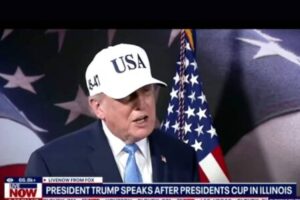












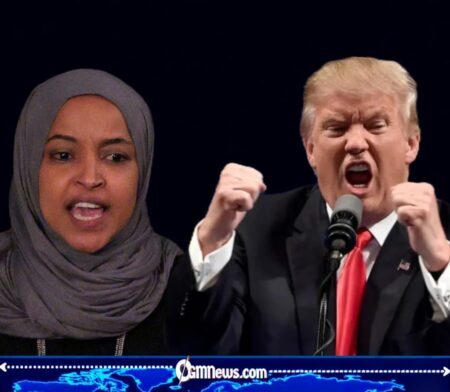
Rep. Ilhan Omar openly challenged remarks made by Donald Trump, shouting accusations of falsehood and wrongdoing from her seat in the congressional chamber. The outburst briefly disrupted proceedings and reignited discussions about decorum in legislative settings. While interruptions during major political addresses are not uncommon, this incident drew heightened attention due to the direct nature of the accusations and the polarized political climate.
The confrontation has since dominated political discourse, with lawmakers and analysts offering differing interpretations. Supporters of Ilhan Omar argue that representatives have a responsibility to challenge statements they believe to be inaccurate, while critics contend that such disruptions undermine the formal nature of congressional proceedings. The event highlights broader debates about civility and accountability in modern governance.
Background to the State of the Union Exchange
The State of the Union address traditionally serves as an opportunity for the president to outline policy priorities and assess national progress. This year’s speech emphasized economic initiatives, security concerns, and legislative objectives. However, the exchange involving Ilhan Omar shifted attention from policy discussions to political confrontation.
Observers note that moments of dissent during such addresses are not unprecedented, though the intensity of this year’s incident distinguished it from previous disruptions. House rules generally discourage interruptions to maintain order, yet representatives retain the right to express disagreement through other formal channels. The incident has prompted renewed debate about the boundaries of political expression within institutional settings.
Ilhan Omar’s Remarks and Legislative Reactions
During the address, Ilhan Omar was heard calling the president a “liar” and a “murderer,” statements that quickly drew reactions from both sides of the aisle. Some lawmakers condemned the interruption as a breach of decorum, arguing that major political addresses should remain respectful and focused on substantive issues. Others defended the right to dissent, emphasizing the importance of holding leaders accountable.
Congressional officials later confirmed that proceedings continued without further disturbances. However, the incident has prompted discussions about potential revisions to procedural guidelines governing conduct during high-profile legislative events. Political analysts suggest that such debates reflect broader concerns about maintaining civility in an era of heightened partisanship.
The exchange involving Ilhan Public and Media Response
Ilhan Omar quickly became a focal point of media coverage and public discussion. Social media platforms amplified reactions from across the political spectrum, with users expressing both support and criticism of the representative’s actions.
Some commentators framed the incident as an example of democratic engagement, while others argued that it detracted from the substance of the address.
Media analysts note that modern political events are often scrutinized in real time, with narratives shaped by rapid information sharing and ideological perspectives.
This dynamic can contribute to polarization, as discussions frequently emphasize conflict rather than consensus. The State of the Union exchange has thus become a case study in the evolving nature of political communication.
Implications for Congressional Decorum
The incident has renewed attention on the rules governing behavior in Congress. House guidelines emphasize the importance of maintaining order during official proceedings, yet they also recognize the right of representatives to voice disagreement through appropriate channels.
Whether the event will prompt changes to existing protocols remains uncertain. Advocates of reform argue that clearer standards could help preserve the dignity of legislative proceedings, while critics caution against measures that might restrict free expression. Balancing these considerations is a longstanding challenge for democratic institutions, particularly in periods of political tension.
Future Expectations
As discussions continue, the focus may shift toward addressing the underlying issues highlighted by the State of the Union exchange. For Ilhan Omar, the incident represents both an opportunity to articulate her perspectives and a reminder of the complexities of political engagement. For Congress, it underscores the importance of fostering dialogue that prioritizes understanding and constructive debate.
Political observers suggest that the event could influence future discussions about legislative conduct and the role of dissent in democratic institutions. While disagreements are an inherent part of governance, finding ways to engage in respectful discourse remains essential for addressing national challenges.
The State of the Union address and its aftermath illustrate the dynamic nature of American politics, where policy debates often intersect with questions of civility and institutional norms. As the political landscape evolves, the actions of representatives and leaders will continue to shape public perceptions and democratic processes.
[…] […]