























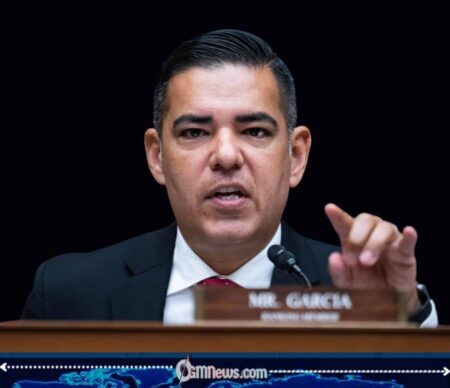
U.S. Representative Robert Garcia has called for urgent clarification from the Department of Justice over missing records tied to survivor allegations involving Donald Trump, the current U.S. president serving a second term. Garcia stated that federal investigators conducted interviews with a survivor who made serious claims, but the absence of key documents has raised critical questions about transparency and compliance with congressional oversight.
The controversy has intensified debates in Washington over victim protection, federal record-keeping, and the balance of power between Congress and executive agencies. Lawmakers from both parties are now pressing for answers as scrutiny of the DOJ’s disclosure practices deepens.
Garcia’s Warning: Missing Records and Oversight Concerns
Garcia’s remarks have placed the spotlight on whether the DOJ fully complied with legal obligations to provide documents requested by Congress. He emphasized that the existence of FBI interviews suggests investigative material should exist, making the absence of certain records particularly troubling.
Oversight experts note that missing documents can undermine congressional inquiries and erode public trust in federal institutions. Garcia and allied lawmakers argue that transparency is essential not only for accountability but also for ensuring that survivor claims are handled with seriousness and care.
The DOJ has maintained that it has released millions of pages of records and corrected errors when identified. However, Garcia insists that any gaps—especially in high-profile matters—must be explained promptly and thoroughly.
Survivor Allegations and Privacy Protections
At the center of the dispute are survivor allegations referenced in FBI interviews. Advocates stress that handling such claims requires a careful balance between transparency and privacy, particularly in cases involving alleged abuse or trafficking.
Legal representatives for survivors have warned that improper document releases can expose victims’ identities while failing to hold alleged perpetrators accountable. These concerns have fueled calls for stronger safeguards, improved redaction standards, and independent review processes.
Garcia has echoed these concerns, emphasizing that oversight efforts must protect survivors while ensuring that investigative records are preserved and disclosed appropriately.
DOJ Record-Handling Practices Under Scrutiny
Investigative reporting and congressional inquiries have highlighted past issues with federal document redactions and record management. Technical failures in redaction processes have, in some cases, allowed sensitive information to be recovered, raising questions about quality control.
Critics argue that even isolated errors can have severe consequences when they involve survivor identities or unverified allegations. DOJ officials acknowledge limited mistakes but maintain that the vast majority of released materials were handled properly.
Garcia’s concerns about missing documents add a new dimension to the debate, shifting focus from redaction errors to potential gaps in record production.
Legal and Constitutional Implications
The dispute underscores broader constitutional tensions between Congress and executive agencies. Congressional subpoenas and oversight requests are legally binding, and failure to comply can lead to contempt proceedings or court intervention.
Legal scholars note that transparency battles often reflect deeper institutional conflicts over authority and accountability. Garcia’s push for answers may test the limits of congressional oversight and shape future standards for federal record disclosures.
The outcome could influence how agencies respond to oversight requests in sensitive investigations, particularly those involving high-ranking officials.
Political Reactions Across Washington
Lawmakers from both parties have expressed concern about the implications of missing records. Some Republicans have joined Democrats in calling for clarity, emphasizing the importance of maintaining public confidence in federal investigations.
Supporters of the administration argue that document releases have been extensive and that errors should not overshadow broader transparency efforts. They caution against politicizing sensitive matters involving survivors and ongoing investigations.
Garcia maintains that seeking answers is not partisan but essential to ensuring accountability and protecting vulnerable individuals.
Public Trust and the Stakes Ahead
The controversy has broader implications for public trust in government institutions. Transparency in handling sensitive investigations is widely seen as essential to maintaining confidence in the justice system.
Advocacy groups warn that failures in record-keeping or disclosure could discourage survivors from coming forward in future cases. Conversely, thorough and responsible oversight may strengthen institutional credibility and reinforce protections for victims.
As hearings and inquiries continue, the resolution of this dispute will likely shape standards for federal transparency, survivor protection, and congressional oversight.
Conclusion
Robert Garcia’s call for answers over missing DOJ records and survivor allegations has ignited a critical debate about transparency, accountability, and victim protection. As Congress presses for full disclosure and the DOJ defends its record-handling practices, the outcome will have lasting implications for public trust and the balance of power in Washington.

[…] […]