




















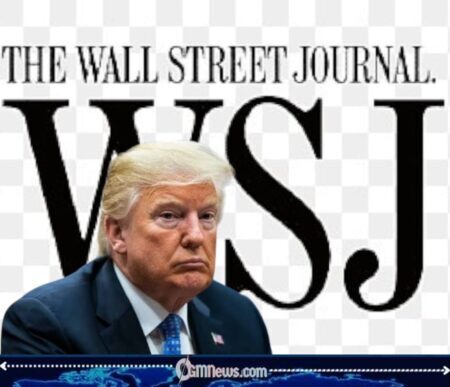
President Donald Trump is confronting renewed scrutiny after a prominent national newspaper signaled a shift in its stance, intensifying debate over his economic policies, tariff strategy, and leadership approach. The development has added a new dimension to ongoing conversations about trade, inflation, and executive authority.
President Donald Trump has defended his economic record, pointing to job growth periods, tax reforms, and efforts to rebalance trade relationships. He argues that protective tariffs are necessary to safeguard domestic industries from unfair foreign competition.
President Donald Trump maintains that media criticism reflects broader political disagreements rather than objective assessments of policy outcomes. Still, commentary from traditionally business-oriented outlets carries weight among investors and policymakers.
Shifting Editorial Winds
President Donald Trump has often cited favorable coverage from segments of the financial press to bolster his economic narrative. A noticeable change in tone from a major publication signals evolving concerns within influential business circles.
President Donald Trump’s tariff policies, in particular, have drawn scrutiny from economists who argue that higher import costs can ripple through supply chains and contribute to consumer price increases. Critics question whether long-term manufacturing gains outweigh short-term economic pressures.
Editorial boards typically frame their positions around fiscal discipline, regulatory predictability, and market stability. When commentary shifts, it often reflects anxiety about uncertainty in trade relationships and executive decision-making.
President Donald Trump and Economic Policy Debate
President Donald Trump continues to emphasize that tariffs are leverage tools in negotiations with trading partners. He asserts that assertive trade measures have compelled foreign governments to reconsider long-standing arrangements.
President Donald Trump’s supporters argue that his leadership style prioritizes decisive action over incremental compromise. They view confrontational negotiation tactics as part of a broader strategy to secure better outcomes for American workers.
Opponents counter that sustained trade tensions may deter investment and strain alliances. They contend that leadership effectiveness also depends on stability, coalition-building, and predictable policy frameworks.
Tariffs, Markets, and Business Confidence
President Donald Trump has stated that market fluctuations are temporary responses to structural change. He contends that economic transformation requires tolerance for volatility during transitional periods.
President Donald Trump has also indicated willingness to adjust tariff rates depending on negotiation progress. This flexibility, he argues, demonstrates responsiveness rather than rigidity.
Financial analysts note that business confidence can be sensitive to policy uncertainty. When trade rules appear fluid, companies may delay expansion plans or adjust sourcing strategies to mitigate risk.
Leadership Style Under Scrutiny
President Donald Trump is known for a direct and combative communication style that resonates strongly with his political base. Supporters view this approach as transparent and unfiltered.
Critics, however, argue that confrontational rhetoric can complicate diplomatic and economic negotiations. They suggest that tone and consistency play significant roles in sustaining long-term partnerships.
Leadership assessments often extend beyond policy specifics to encompass temperament and governance philosophy. In this case, debates over tariffs intersect with broader evaluations of executive style.
Broader Political Implications
President Donald Trump faces a political landscape shaped by economic anxieties and partisan divisions. Shifts in influential opinion may affect campaign messaging and coalition-building strategies.
President Donald Trump’s ability to maintain support among business leaders could prove pivotal as debates over inflation, trade, and regulatory policy continue. Public perception of economic stewardship frequently influences electoral outcomes.
Ultimately, the evolving discourse reflects deeper questions about the direction of U.S. economic policy. Whether criticism from prominent voices alters the administration’s approach remains uncertain, but the conversation underscores how trade decisions and leadership style remain central to national debate.
[…] […]