

















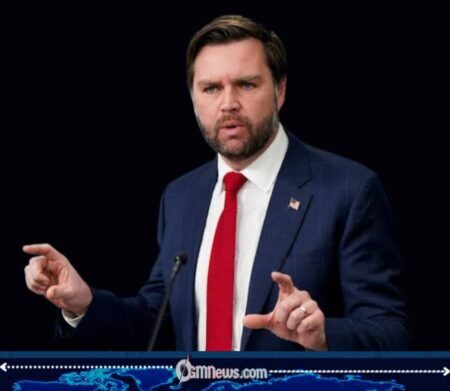
JD Vance has previewed an expansive economic and industrial policy agenda expected to feature prominently in the upcoming national address by Donald Trump, describing it as a decisive moment for what he called a “new era of American growth.”
In remarks circulated to media outlets and policy stakeholders, JD Vance emphasized that the administration intends to focus on cost-of-living relief, domestic manufacturing expansion, and energy production. According to aides, the speech is expected to frame these initiatives as part of a broader strategy to strengthen economic resilience ahead of the 2026 midterm election cycle.
Administration officials say the proposals build on legislative and regulatory efforts already underway, positioning the address as both a progress report and a roadmap for the next phase of economic policy.
Economic Relief Measures Target Household Costs
One of the central themes highlighted by JD Vance is reducing everyday expenses for American households, particularly food and fuel prices. Economic advisers working with the The White House have pointed to supply-chain normalization, expanded domestic energy output, and revised trade priorities as mechanisms to stabilize prices.
Recent data from federal economic monitors, including the Bureau of Labor Statistics, show inflation moderating compared with earlier peaks, though affordability remains a dominant concern among voters. Analysts note that administrations from both parties have historically used national addresses to signal intensified action on consumer costs during election cycles.
Policy specialists say the success of such measures will depend on global commodity markets, transportation costs, and continued labor-market strength.
Manufacturing and Re-Shoring Take Center Stage
A major pillar of the forthcoming policy message involves accelerating the return of industrial production to the United States. JD Vance has repeatedly argued that rebuilding domestic supply chains is critical to national security and long-term wage growth.
Officials working with the U.S. Department of Commerce are expected to highlight incentives for factory construction, expanded apprenticeship programs, and tax structures designed to encourage companies to relocate operations from overseas.
Economists describe the re-shoring push as part of a broader bipartisan shift in Washington, where lawmakers increasingly support strategic domestic production in sectors such as semiconductors, energy technology, and heavy manufacturing.
Energy Expansion Framed as Economic Driver
Energy policy is also expected to feature prominently. Administration briefings referenced by JD Vance describe an “all-of-the-above” production strategy aimed at increasing output while streamlining permitting processes.
The U.S. Department of Energy has been coordinating with state governments and private producers to expand infrastructure, a move supporters say could lower fuel costs and create jobs in extraction, refining, and distribution.
Energy analysts caution that production increases can influence domestic pricing but remain tied to international market dynamics, making outcomes partly dependent on geopolitical stability.
Regulatory Changes Intended to Spur Business Investment
Another component previewed by JD Vance involves revisiting federal regulations that administration officials believe slow industrial expansion. Business groups have advocated faster approval timelines for construction and environmental reviews, while labor organizations have urged safeguards to ensure workplace and environmental protections remain intact.
Legislative cooperation with U.S. Congress will be necessary for several proposed changes, setting the stage for negotiations that could shape the economic agenda through 2026.
Policy observers note that regulatory reform often becomes a balancing act between competitiveness and oversight, making implementation politically complex.
Political Stakes Rise Ahead of Midterm Cycle
The policy outline arrives as both the Republican Party and the Democratic Party prepare messaging strategies ahead of the midterms. Supporters characterize the agenda as a continuation of efforts to boost domestic industry and reduce reliance on foreign supply chains, while critics are expected to question feasibility, fiscal impact, and long-term economic effects.
By previewing these initiatives early, JD Vance appears to be positioning the administration’s economic narrative around job creation, industrial policy, and cost-of-living relief—issues likely to dominate national debate in the months ahead.
[…] […]