



























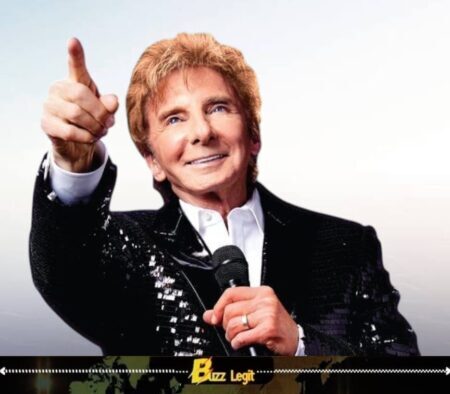
Barry Manilow addressed fans directly this week, offering a candid update on his recovery as he continues cancer treatment and adjusts his touring schedule. He confirmed that several additional arena shows would be postponed after his doctor advised that his lungs “aren’t ready yet” for the physical demands of large-scale performances.
Barry Manilow explained that while his overall recovery has been progressing, the strain of extended rehearsals and high-energy arena shows presents a unique challenge. He expressed gratitude for the medical team guiding his treatment and emphasized that the decision was made out of caution rather than crisis.
Barry Manilow reassured supporters that he remains committed to returning to the stage once his health allows. He noted that patience is part of the healing process and said he is focusing on steady improvement rather than rushing back prematurely.
The Physical Demands of Touring
Barry Manilow acknowledged that performing in large arenas requires sustained breath control, vocal endurance, and physical stamina. For an artist known for dynamic live shows, the ability to project across thousands of seats is central to the concert experience.
Barry Manilow said his physician made it clear that lung strength is critical to protecting both his voice and long-term health. According to his statement, pushing too hard too soon could risk setbacks that would prolong recovery.
Medical experts often note that cancer treatments, depending on their nature, can temporarily reduce lung capacity and overall endurance. Recovery timelines vary widely, making individualized medical guidance essential for performers returning to demanding schedules.
A Career Defined by Resilience
Barry Manilow has built a decades-long career on consistency, showmanship, and close connection with audiences. From chart-topping hits to sold-out residencies, he has maintained a strong presence across generations.
Barry Manilow reflected on previous health challenges and career pauses, describing them as moments that tested his patience but ultimately strengthened his appreciation for performing. He emphasized that resilience has always been part of his journey.
Industry observers note that veteran performers often face difficult decisions when balancing health with professional commitments. Postponements, while disappointing to fans, are widely regarded as responsible steps when long-term well-being is at stake.
Barry Manilow and the Decision to Postpone
Barry Manilow said the choice to delay additional arena dates was not made lightly, acknowledging the logistical and emotional impact of rescheduling large productions. He expressed understanding for fans who had already made travel plans and promised that updates would be communicated clearly.
Promoters confirmed that efforts are underway to identify new dates once medical clearance is granted. Ticket holders are expected to receive options regarding refunds or exchanges as part of standard event policies.
Concert production teams face complex coordination challenges when major tours shift schedules, from venue availability to crew arrangements. Still, health considerations typically take precedence over commercial pressures.
Support From Fans and the Industry
Barry Manilow thanked fans for messages of encouragement, describing them as a source of strength during recovery. He said that knowing audiences are willing to wait reinforces his determination to return stronger.
Fellow musicians and entertainment figures have publicly shared well wishes, highlighting the respect he commands within the industry. Many have praised his transparency in discussing health matters.
Fan communities have responded with understanding, often emphasizing that postponement is preferable to risking further health complications. Social media reactions largely reflect support rather than frustration.
Looking Ahead to the Return
Barry Manilow expressed optimism that, with continued medical supervision, he will be able to resume performing once his lungs regain the necessary strength. He indicated that smaller rehearsals and controlled practice sessions are part of his recovery plan.
Doctors commonly recommend gradual increases in physical exertion following intensive treatments, especially when respiratory endurance is involved. This phased approach helps minimize complications and rebuild stamina safely.
For now, the focus remains on healing and long-term sustainability. While arena lights may dim temporarily, the expectation among fans and industry insiders alike is that his eventual return will be marked by both celebration and renewed appreciation for the enduring performer behind the music.



[…] […]