


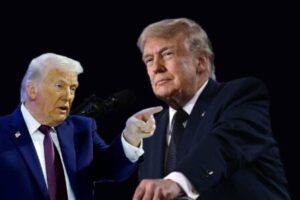

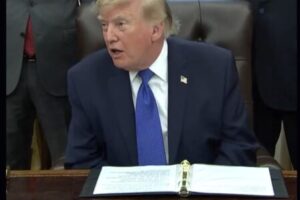













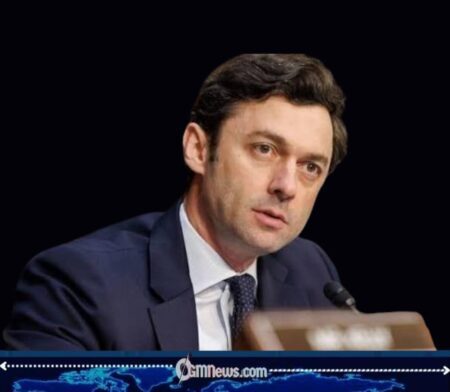
Senator Jon Ossoff delivered sharp remarks this week criticizing President Donald Trump for what he described as an ongoing fixation on overturning the 2020 election results, arguing that the country would be better served by attention to present-day challenges. Speaking during a public event, he framed his comments around governance priorities rather than personal rivalry.
Senator Jon Ossoff said that political leaders have a responsibility to address inflation, healthcare costs, national security, and infrastructure rather than relitigating past contests. He emphasized that voters expect forward-looking solutions, particularly at a time when economic and geopolitical pressures continue to shape daily life.
Senator Jon Ossoff added that debates over election integrity should be grounded in evidence and court findings, noting that numerous legal challenges to the 2020 results were resolved years ago. His remarks come amid renewed public discussion about how much attention national leaders should devote to prior electoral disputes.
Political Priorities and National Focus
Senator Jon Ossoff argued that constant references to the 2020 election risk distracting from legislative work that directly affects families and businesses. He framed the issue not as partisan disagreement, but as a matter of governance and institutional responsibility.
Senator Jon Ossoff maintained that Congress has pressing tasks, from funding the government to managing long-term fiscal stability. According to his remarks, revisiting settled electoral outcomes diverts attention from bipartisan opportunities that could improve economic growth and public services.
Senator Jon Ossoff also pointed out that political messaging centered on past grievances may energize certain segments of the electorate, but does little to resolve policy gridlock. He urged leaders across the aisle to focus on measurable outcomes rather than symbolic battles.
Senator Jon Ossoff and the Debate Over Election Narratives
Senator Jon Ossoff reiterated that courts, state officials, and federal agencies have already examined claims surrounding the 2020 election. He said continued efforts to cast doubt without new evidence risk undermining public confidence in democratic institutions.
Legal scholars note that while political rhetoric is protected speech, repeated assertions about settled matters can influence voter perceptions. The broader debate centers on the balance between free expression and responsible leadership in maintaining trust in elections.
Public opinion surveys remain divided, with some Americans believing additional scrutiny is warranted and others expressing fatigue over the prolonged controversy. The issue continues to shape campaign messaging and political strategy heading into future election cycles.
The President’s Position
President Donald Trump has consistently defended his stance, arguing that questions about the 2020 election remain relevant to safeguarding future voting systems. He has stated that addressing alleged irregularities is part of ensuring electoral transparency.
Supporters of the president contend that election reforms in several states reflect legitimate concerns among voters. They argue that raising such issues keeps pressure on lawmakers to strengthen procedural safeguards.
Critics, however, say that focusing on past disputes risks overshadowing present challenges such as supply chain stability, healthcare access, and global security dynamics. The divide reflects broader partisan disagreements about priorities and messaging.
Broader Implications for Governance
Senator Jon Ossoff suggested that a forward-focused agenda could help rebuild bipartisan trust. He indicated that progress on infrastructure, workforce development, and fiscal discipline would demonstrate tangible results for constituents.
Policy analysts note that legislative productivity often depends on narrowing the scope of political conflicts. Persistent disputes over historical events can complicate negotiations on current bills.
Economic indicators, including inflation trends and employment data, remain central to voter concerns. Observers argue that leaders who concentrate on these areas may resonate more strongly with independent and undecided voters.
Looking Ahead to Future Campaigns
Senator Jon Ossoff concluded his remarks by emphasizing accountability and transparency in all elections moving forward. He said confidence in democratic processes depends on both rigorous oversight and respect for established outcomes.
The upcoming election cycle is likely to feature continued debate over institutional trust, executive priorities, and congressional oversight. Political strategists expect messaging around election integrity to remain a defining theme.
Whether the national conversation shifts toward policy solutions or remains anchored in past controversies may influence public perception of leadership effectiveness. For now, the exchange highlights ongoing tensions about how the country should balance reflection on past elections with preparation for future governance.
[…] […]