








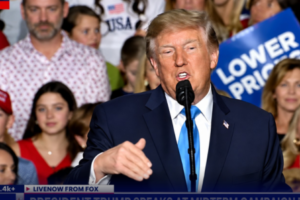


















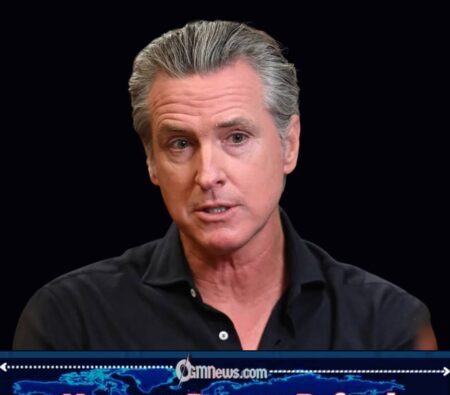
Gavin Newsom opened the debate with a blunt message Americans deserve a refund. The California governor argues that tariffs imposed over the past year under President Donald Trump functioned as unlawful taxes on everyday goods, from groceries to furniture and automobiles. According to Newsom, these costs were passed directly to consumers, increasing household expenses nationwide.
The controversy has evolved into a significant legal and political confrontation over executive authority, trade policy, and consumer protection. At stake is whether the tariffs represented legitimate economic safeguards or an unconstitutional expansion of presidential power.
Gavin Newsom Frames the Tariffs as a Consumer Tax
Gavin Newsom has consistently argued that tariffs operate as indirect taxes, raising prices on imported goods and placing the burden on families and small businesses. By highlighting essentials such as food and household items, Newsom sought to illustrate how trade policy decisions ripple into everyday life.
In public statements, Gavin Newsom emphasized that consumers rarely see tariffs listed on receipts, yet they feel the impact through higher retail prices. He maintains that transparency and accountability are essential when policies have widespread financial consequences.
Legal Foundations of the Dispute
The legal challenge centers on whether emergency economic powers were used beyond their intended scope. Opponents of the tariffs contend that the Constitution assigns tariff authority to Congress, and that broad import duties imposed without legislative approval raise serious constitutional questions.
Supporters of the policy argue that presidents have historically exercised tariff powers under specific statutes. Courts are now being asked to determine whether the recent measures fall within those precedents or represent an unprecedented expansion of executive authority.
How Tariffs Affect Prices on Everyday Goods
Economists widely agree that tariffs imposed on imports are often passed along the supply chain. Retailers and manufacturers facing higher costs for materials or finished products typically adjust prices to maintain margins, ultimately affecting consumers.
This dynamic explains why the policy debate references groceries, furniture, and vehicles. Global supply chains mean that even domestically assembled products often rely on imported components, making tariffs a factor in final retail pricing.
California’s Lawsuit and Federal–State Tensions
Gavin Newsom authorized California’s legal challenge, arguing that the tariffs harmed the state’s economy and disrupted key industries. As the largest state economy in the United States, California’s position underscores the national implications of the dispute.
The lawsuit reflects broader tensions between state governments and federal trade policy. Gavin Newsom has framed the case as a defense of consumers, businesses, and constitutional boundaries, rather than a purely political confrontation.
Economic Stakes and Refund Debate
The call for refunds highlights the scale of potential financial impact. Analysts estimate that billions of dollars in additional costs have been borne by American households and businesses due to tariff-related price increases.
While Gavin Newsom argues that consumers deserve reimbursement, legal experts caution that implementing refunds would be complex. Determining eligibility, tracing cost pass-through, and administering payments would present significant logistical challenges.
Administration’s Defense of Tariff Policy
President Donald Trump has defended the tariffs as necessary to protect domestic industries, reduce trade imbalances, and strengthen national security. Administration officials argue that such measures can encourage domestic production and provide leverage in international negotiations.
Supporters maintain that short-term price increases may be offset by long-term economic gains. Critics, however, question whether those benefits outweigh the immediate burden on consumers and businesses.
Political and Policy Implications
The dispute arrives amid ongoing concerns about inflation, supply chains, and the role of government in managing global trade. Gavin Newsom has positioned the issue as part of a broader conversation about economic fairness and transparency.
As courts weigh the legality of the tariffs, the outcome could redefine the limits of executive authority in trade policy and shape future responses to economic crises. The case may also influence public perceptions of how trade decisions affect household finances.
Conclusion
By placing consumer costs at the center of the debate, Gavin Newsom has elevated the tariff dispute into a national conversation about constitutional authority and economic accountability. The courts’ eventual rulings will determine not only the legality of the tariffs but also whether Americans will see the refunds Newsom says they are owed.
Casinoabc999? Good Site. The interface is sleek, and there is a lot of stuff to...