




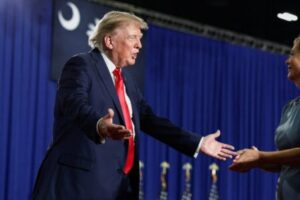






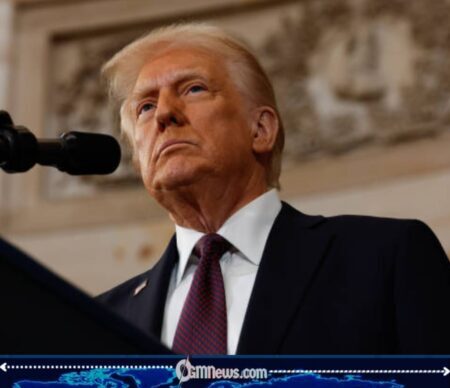
Donald Trump shocked audiences during a recent appearance in Georgia by announcing that he may pursue awarding himself the Congressional Medal of Honor, the United States’ highest military decoration. The statement immediately drew attention from politicians, military veterans, and the public, igniting debate about precedent, ethics, and legality.
Donald Trump described himself as “extremely brave” for visiting Iraq and overseeing military operations, suggesting these actions might justify the Medal of Honor. He stated, “I said to my people, am I allowed to give myself the Congressional Medal of Honor? …Someday I’m going to try! I’m going to test the law. I’m going to say, let’s give it a shot!” The president framed the announcement with a combination of bravado and humor, predicting media backlash and legal challenges.
Donald Trump openly acknowledged that pursuing the award could provoke lawsuits, saying, “Maybe I’ll win in court after everyone sues me, after radical left lunatics sue me.” Legal experts immediately flagged the unprecedented nature of the claim, noting that the Medal of Honor is traditionally awarded by Congress to individuals demonstrating extraordinary valor, often under life-threatening circumstances.
Donald Trump’s call to self-award the Medal of Honor has intensified scrutiny of his personal military history, including his Vietnam War draft deferments citing “bone spurs.” Critics argue that any attempt to bypass established review processes could undermine the symbolic and institutional significance of the award. Supporters, however, contend that his visit to Iraq and oversight of the military warrant recognition, though not typically via self-award.
Donald Trump Sparks Political and Public Outcry
Donald Trump’s announcement drew bipartisan condemnation, with veterans’ groups and lawmakers warning that such a move would erode the integrity of the Medal of Honor. Critics stressed that the award honors acts of extreme personal sacrifice and heroism. At the same time, some of the president’s supporters framed the comments as hyperbolic, theatrical, or part of his long-standing penchant for high-profile awards and self-promotion.
Donald Trump has previously sought major awards, including the Nobel Peace Prize, which he did not personally receive but later accepted on behalf of others. Observers note that the Congressional Medal of Honor has never been self-awarded by a sitting president, making Trump’s proposal unprecedented in modern U.S. history. Experts warn that bypassing established protocols risks undermining the honor’s credibility.
Donald Trump Frames the Announcement With Humor
Donald Trump preemptively addressed potential backlash, stating that the media would report his intentions and predictably highlight audience reactions. “The fake news will say ‘Donald Trump wants to give himself the Congressional Medal of Honor. But he was rebuffed by the audience who stood up and booed the hell out of him,’” he said. By blending humor with political posturing, Trump ensured the remarks would dominate headlines and social media conversations.
Donald Trump’s controversial remarks have ignited a national conversation about the limits of presidential authority, military recognition, and the symbolic meaning of the Medal of Honor. As legal scholars, Congress, and the public weigh the implications, the story underscores the tension between precedent, personal ambition, and national honor.

[…] […]