



























Prince Andrew has returned to the center of international headlines following reports of his arrest in connection with the long-running investigation tied to financier Jeffrey Epstein. The development marks a dramatic turn in a saga that has spanned years and drawn scrutiny across multiple jurisdictions.
Authorities have yet to publicly disclose the full scope of the legal action, but officials confirmed that the move is part of an ongoing inquiry linked to the broader Epstein scandal. The arrest has reignited debate in the United Kingdom and abroad about accountability, transparency, and the role of public figures in legal investigations. Legal observers note that the situation remains fluid, with further details expected as proceedings unfold.
Prince Andrew and the Epstein Connection
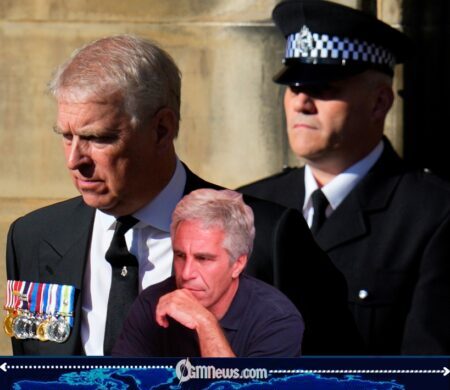
Prince Andrew’s association with Epstein has been under scrutiny since allegations first emerged that he maintained a friendship with the financier even after Epstein’s 2008 conviction in Florida. Photographs and public records documenting their interactions fueled sustained public criticism.
In previous public statements and interviews, Prince Andrew denied any wrongdoing. He stepped back from official royal duties amid mounting pressure and later reached an out-of-court settlement in a civil case filed in the United States, without admitting liability.
Epstein, who died in federal custody in 2019 while awaiting trial on sex trafficking charges, left behind a complex web of legal and civil proceedings that continue to affect individuals alleged to have been part of his network.
Legal Implications and Cross-Border Considerations
The reported arrest of Prince Andrew introduces complex legal considerations, particularly if proceedings involve coordination between British and American authorities. International legal cooperation, extradition questions, and evidentiary standards could all play significant roles in determining next steps.
Legal analysts suggest that any formal charges would require substantial evidentiary review and could lead to prolonged court proceedings. High-profile cases involving public figures often involve heightened procedural scrutiny and public interest.
British officials have not released comprehensive details, and Buckingham Palace has not issued an extensive public comment at the time of reporting.
Impact on the Monarchy and Public Perception
Prince Andrew’s legal troubles have already had a measurable impact on public perception of the British monarchy. His withdrawal from royal duties was widely viewed as an effort to shield the institution from reputational damage.
The reported arrest is likely to renew debate over accountability within elite institutions and the broader question of how public figures are treated under the law. Opinion in the United Kingdom remains divided, with some emphasizing due process and others calling for firm legal consequences if wrongdoing is proven.
The monarchy, which relies heavily on public trust and ceremonial legitimacy, now faces renewed scrutiny as developments unfold.
The Enduring Shadow of Jeffrey Epstein
The Epstein scandal continues to reverberate years after his death, affecting politicians, business leaders, and members of high society. Investigations have persisted in multiple jurisdictions, with survivors and advocacy groups demanding transparency and justice.
Prince Andrew’s reported arrest underscores the long-lasting consequences of Epstein’s criminal network and the continuing effort by authorities to address alleged misconduct connected to it.
As legal processes move forward, the focus remains on establishing facts through formal judicial channels. For now, Prince Andrew stands once again at the center of a global legal and political storm, with the outcome likely to carry significant implications both personally and institutionally.



[…] […]