




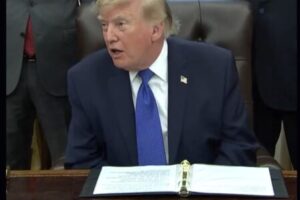

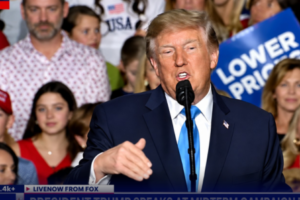















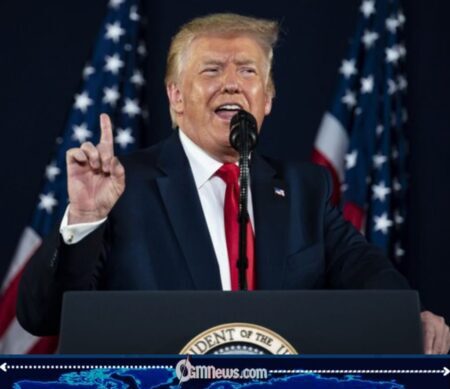
Donald Trump, the current U.S. president serving a second term, confirmed on Tuesday that his administration is in active discussions with Cuba, raising hopes among Cuban Americans for renewed travel and family reunions. “We’re talking to Cuba right now,” Trump told reporters, adding, “We have a lot of great Cuban Americans, and they’re going to be very happy when they’re going to be able to go back and say hello to their relatives.”
Trump’s brief remarks mark a significant moment in his foreign policy approach, highlighting his focus on addressing longstanding issues affecting Cuban Americans and U.S.-Cuba relations. Analysts note that any progress will depend on complex negotiations involving diplomatic, economic, and migration considerations.
Donald Trump Opens Dialogue with Cuba
By confirming active talks, Donald Trump has signaled a potential diplomatic opening that could reshape U.S.-Cuba relations. The president did not provide specifics on the scope or nature of the discussions, leaving observers speculating whether they involve trade, family reunification, or broader normalization efforts.
Historically, the relationship between the U.S. and Cuba has alternated between engagement and sanctions, with major milestones such as the 2015 reopening of diplomatic channels under Barack Obama. Donald Trump’s statement indicates that his administration may pursue a more nuanced approach, balancing political, economic, and humanitarian objectives.
Cuban American Communities in Focus
Donald Trump emphasized the potential positive impact of his Cuba talks on Cuban Americans. Travel restrictions and family separations have long been sensitive issues for this community, particularly in Florida, which holds significant political influence.
“We have a lot of great Cuban Americans,” Trump said, highlighting his administration’s awareness of constituent concerns. Any relaxation of travel restrictions or facilitation of family visits could carry both symbolic and practical significance for thousands of U.S. citizens with family in Cuba.
Historical Context of U.S.–Cuba Relations
Donald Trump’s announcement comes against a backdrop of decades-long tension between the United States and Cuba. Since the 1960s, the U.S. embargo has shaped nearly every aspect of bilateral relations, with previous administrations alternating between pressure and engagement.
Cuba’s alignment with the Soviet Union during the Cold War, coupled with ongoing concerns over human rights and governance, has historically limited the scope of U.S. policy. Donald Trump’s engagement may signal a cautious shift toward incremental change without abandoning longstanding political and security considerations.
Economic and Strategic Implications
Donald Trump’s discussions with Cuba also carry economic and strategic weight. Improved relations could expand U.S. trade, remittances, and tourism, while offering Cuba access to critical financial and agricultural resources.
Strategically, Cuba remains a key player in the Caribbean, influencing migration, regional security, and U.S. interests in Latin America. Analysts suggest that Trump’s focus on Cuba may aim to address both humanitarian concerns and broader geopolitical calculations.
Future Expectations
While Donald Trump has confirmed that talks are underway, details remain sparse. Observers caution that preliminary discussions do not guarantee immediate policy changes, as U.S. legal frameworks and congressional oversight may affect any agreements.
For Cuban Americans and policymakers, Donald Trump’s statement marks a critical signal that the administration is considering steps to ease restrictions and foster reconnection. The coming weeks will be closely watched for developments in travel, remittances, and diplomatic engagement with Havana.
Ae888covenuscasino, okay, I'm curious. Gonna check out this site and try to find some amazing...