
























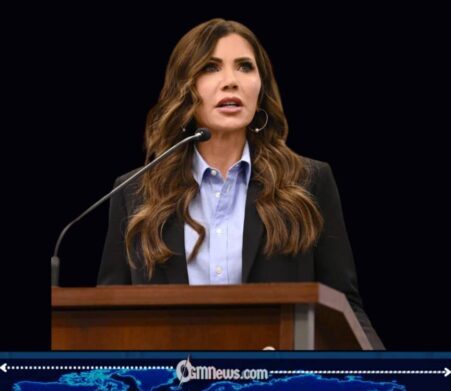
Kristi Noem has taken center stage in a growing controversy after the U.S. Department of Homeland Security (DHS) reportedly issued legal demands to major technology platforms for identifying information on accounts that track and criticize U.S. Immigration and Customs Enforcement (ICE). The requests, sent to Google, Reddit, Meta, and Discord, seek names, email addresses, phone numbers, and other identifying data.
Kristi Noem’s role in advancing these requests has intensified scrutiny from civil liberties advocates, who warn of potential threats to free expression and digital privacy. Supporters, however, argue the measures may be aimed at addressing harassment, misinformation, or security risks tied to online activity targeting federal immigration enforcement.
Kristi Noem: Federal Justification and Security Rationale
Kristi Noem has defended DHS actions as part of broader efforts to protect federal personnel and maintain operational security. Officials suggest that certain online accounts have allegedly shared sensitive information, tracked enforcement operations, or encouraged interference with lawful activities.
DHS sources cited by major outlets including The New York Times and Reuters indicate the requests may fall within existing legal frameworks such as administrative subpoenas or national security authorities. These mechanisms allow federal agencies to obtain user data under specific circumstances, though their use remains subject to legal and constitutional limits.
Civil Liberties Concerns and Legal Challenges
Civil rights organizations, including the American Civil Liberties Union, have raised alarms about the scope and intent of the data requests. Advocates argue that targeting accounts critical of ICE risks conflating dissent with wrongdoing, potentially chilling lawful speech and activism.
Legal experts quoted by The Washington Post warn that sweeping demands for user data could face constitutional challenges under the First Amendment. Courts have historically scrutinized government actions that may deter protected speech, particularly when surveillance or data collection appears linked to political expression.
Tech Industry Response and Transparency Questions
The technology companies involved—Google, Reddit, Meta, and Discord—have not publicly detailed the specific requests but have historically pledged to scrutinize government demands for user data. Transparency reports from these firms typically disclose the volume and type of government requests, though national security orders may limit disclosure.
Industry analysts cited by Bloomberg note that companies often face legal constraints that prevent them from notifying users whose data is sought. This tension between compliance and user trust continues to shape the broader debate over digital privacy and corporate responsibility.
Political Context and Policy Implications
Kristi Noem’s involvement comes amid heightened political focus on immigration enforcement and border security. Supporters of stricter enforcement argue that online coordination can obstruct federal operations, while critics contend that transparency and public oversight are essential in a democratic society.
Policy analysts referenced by Politico suggest the controversy could influence future legislation governing data access, surveillance authorities, and platform accountability. The outcome may set precedents affecting how governments engage with tech companies in matters of national security and public discourse.
International and Democratic Norms at Stake
Kristi Noem faces growing international attention as global observers weigh the implications for democratic norms. Comparisons have emerged with surveillance practices in other countries, raising questions about the balance between security and civil liberties in digital spaces.
Human rights experts cited by Human Rights Watch emphasize that democratic governments must ensure oversight, transparency, and proportionality when seeking user data. The controversy underscores the broader global challenge of regulating online speech while safeguarding fundamental freedoms.
Outlook and Ongoing Developments
Kristi Noem now faces mounting pressure from lawmakers, advocacy groups, and the public to clarify the scope and legal basis of the DHS requests. Congressional oversight hearings and potential court challenges could determine whether the actions withstand legal scrutiny.
As the debate continues, the case may shape future standards for government access to digital data, the responsibilities of technology platforms, and the boundaries of free expression in an era of heightened security concerns.
[…] […]