


























U.S. Department of Homeland Security has entered a period of partial shutdown following a breakdown in budget negotiations, limiting several administrative and support functions while allowing critical national-security duties to continue. The funding lapse occurred after lawmakers failed to approve new appropriations legislation before the deadline, triggering legally mandated suspensions of non-essential activities.
The situation has placed US Homeland Security at the center of a broader debate over fiscal governance, immigration policy, and the extent to which key security agencies should be vulnerable to political gridlock.
Congressional Deadlock Leads to Funding Gap
The budget impasse originated in the United States Congress, where disagreements over spending priorities and policy conditions prevented passage of a funding extension. Negotiators remained divided on enforcement oversight and program allocations, leaving the department without full financial authorization.
As a result, US Homeland Security must now operate under shutdown protocols, which restrict new projects, pause many administrative services, and delay payments to contractors while elected officials continue negotiations.
Essential Security Functions Continue Uninterrupted
Despite the funding lapse, federal law requires that mission-critical roles remain active. Border protection, aviation screening, cybersecurity monitoring, and emergency response operations are continuing under the designation of “essential services.”
This means US Homeland Security personnel responsible for protecting lives and infrastructure must report to work even though many are temporarily unpaid, a condition that has historically created financial strain for employees and their families.
Travel, Transportation, and Public Services Experience Strain
Travelers are among the first to feel the effects of the shutdown Airport screening and customs operations remain in place, but staffing shortages and administrative slowdowns may lead to longer processing times at major transportation hubs.
Analysts note that US Homeland Security plays a central logistical role in coordinating aviation safety and passenger screening, so even limited disruptions can ripple across airlines, tourism, and cargo networks.
Emergency Preparedness and Local Partnerships Slow Down
While frontline emergency response remains available, planning grants, training exercises, and coordination programs with state and local governments have been curtailed. These initiatives often function behind the scenes but are vital for disaster readiness and infrastructure protection.
Because many of these programs fall into the non-essential category during a shutdown, US Homeland Security has scaled back support activities that communities rely on for long-term resilience against natural disasters and security threats.
Economic and Workforce Consequences Grow Over Time
Shutdown conditions also carry economic implications. Federal workers face delayed wages, while private contractors supporting technology, construction, and analysis projects may see work suspended altogether.
Economists warn that prolonged uncertainty within US Homeland Security can affect regional economies tied to federal facilities and complicate recruitment in specialized fields such as cybersecurity, intelligence analysis, and emergency management.
Administration Calls for Resolution as Debate Continues
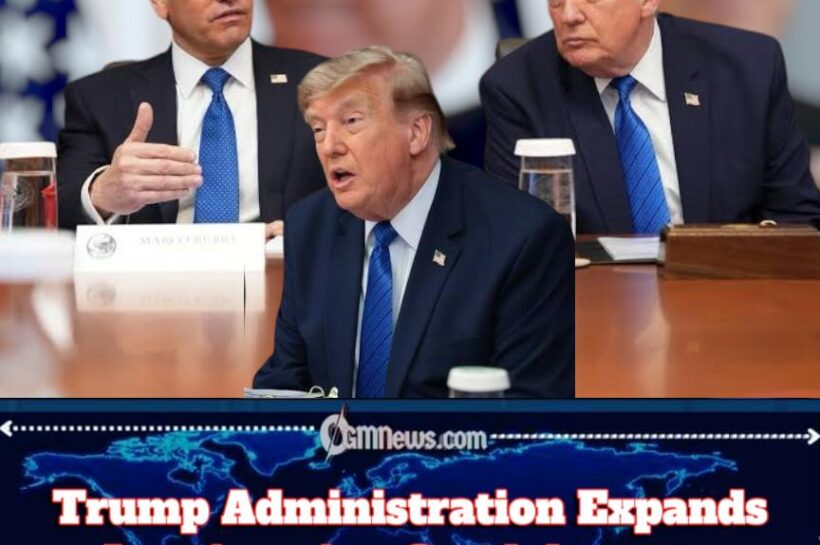
President Donald Trump, currently serving his second term, has urged lawmakers to reach a funding agreement swiftly, emphasizing that national-security operations must remain stable regardless of political disagreements.
Administration officials maintain that restoring full funding will allow the department to resume planning, modernization, and grant programs that cannot proceed under shutdown conditions, even as essential protections remain in place.
A Familiar Challenge With Long-Term Implications
Government shutdowns have occurred periodically in U.S. history, but each instance raises renewed concerns about whether critical agencies should face operational uncertainty tied to annual budget disputes.
For many observers, the present episode highlights the complexity of maintaining continuous national protection while navigating democratic negotiations over spending, authority, and accountability.


[…] […]