





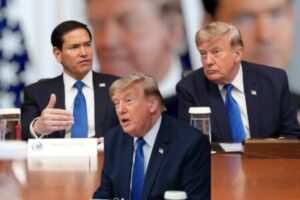






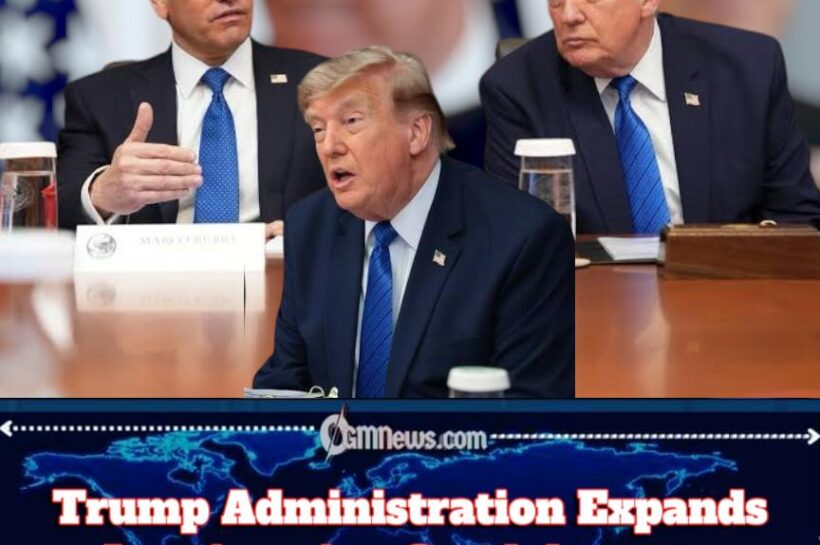








Donald Trump has stated that Greenland “is gonna want us,” confirming that the United States is negotiating regarding the Arctic territory’s future relationship with Washington. The remarks have revived longstanding discussions about Greenland’s strategic importance and the evolving role of the Arctic in global security and trade.
The statement places Greenland back at the center of geopolitical conversation, with analysts pointing to climate change, emerging shipping routes, and resource competition as key drivers. While the administration frames the talks as cooperative, the proposal raises complex questions about sovereignty, diplomacy, and regional stability.
Strategic Importance of Greenland in the Arctic
Greenland occupies a critical geographic position between North America, Europe, and Russia, making it essential for defense and surveillance operations. Donald Trump emphasized that strengthening ties with the island could enhance U.S. early-warning systems and Arctic monitoring capabilities.
As polar ice continues to recede, new maritime routes are becoming viable, potentially reshaping global shipping patterns. Military planners and policymakers view Greenland as central to maintaining security and influence in an increasingly contested Arctic region.
Economic Opportunities and Resource Potential
Greenland is believed to hold significant reserves of rare earth minerals, oil, and natural gas—resources vital for advanced technologies and renewable energy systems. Donald Trump suggested that closer cooperation could unlock economic opportunities benefiting both Greenland communities and American industries.
Advocates argue that U.S. investment could improve infrastructure, create employment, and support sustainable development. However, environmental groups caution that resource extraction must be balanced with ecological protection and respect for indigenous livelihoods.
Diplomatic Complexities with Denmark and Greenland Autonomy
Greenland is a self-governing territory within the Kingdom of Denmark, meaning any change in status requires approval from both Copenhagen and Greenland. Donald Trump acknowledged that negotiations would involve all relevant stakeholders and emphasized respect for self-determination.
Danish officials have consistently stated that Greenland is not for sale, underscoring sovereignty and international law. Meanwhile, Greenland leaders stress that decisions about their future must reflect the will of their people.
Historical Context of U.S. Interest in Greenland
American interest in Greenland dates back to the 19th century, with proposals to purchase the territory and a U.S. military presence established during World War II. Donald Trump referenced these historical ties, noting that cooperation between the United States and Greenland has long contributed to regional security.
Although past acquisition attempts were abandoned due to diplomatic concerns, the current dialogue unfolds in a new era shaped by Arctic competition and climate-driven change.
Global Reactions and Geopolitical Implications
The prospect of U.S. negotiations involving Greenland has drawn attention from NATO allies and Arctic nations. Donald Trump has argued that stronger U.S.–Greenland ties would enhance stability, though some European leaders worry about potential disruptions to transatlantic relations.
Russia and China have also increased their Arctic engagement, investing in infrastructure and research initiatives. Analysts say Greenland’s future could influence global power dynamics and security arrangements in the High North.
Conclusion: A Complex and Uncertain Path Forward
The renewed focus on Greenland highlights the intersection of security, economics, and diplomacy in the Arctic. While the United States presents negotiations as mutually beneficial, the path forward will require careful coordination with Denmark, respect for Greenlandic autonomy, and international cooperation.
As the Arctic continues to transform, Greenland’s strategic significance is set to grow. The outcome of these discussions may shape not only regional relations but also the broader balance of power in a changing global landscape.

Amazing to see how fast artificial intelligence is progressing lately. According to the latest updates...