
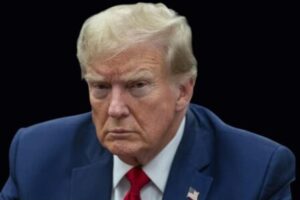






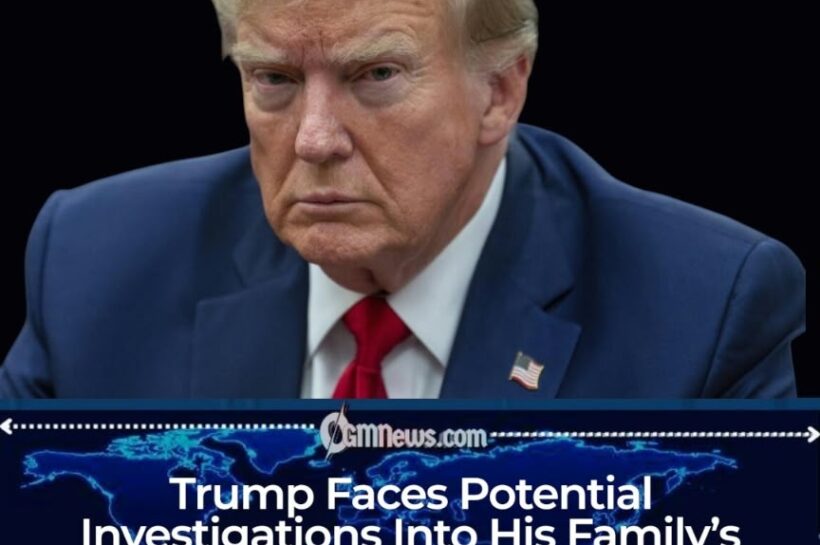
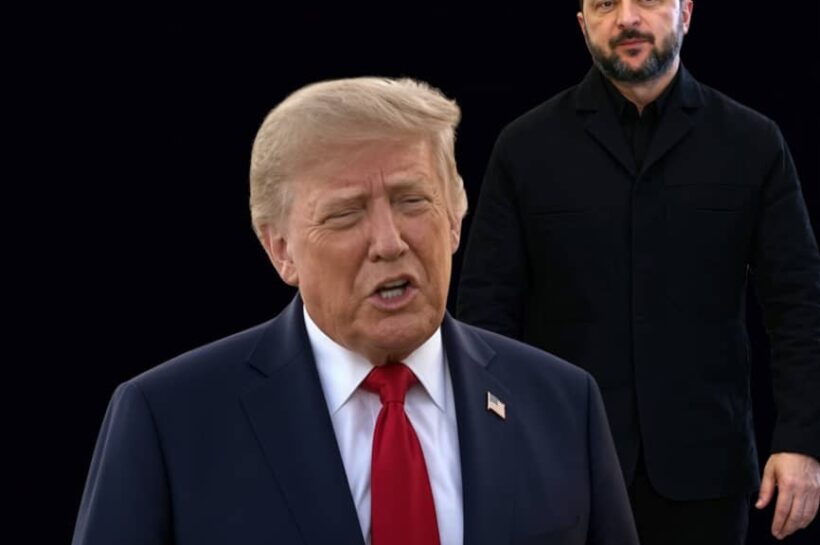





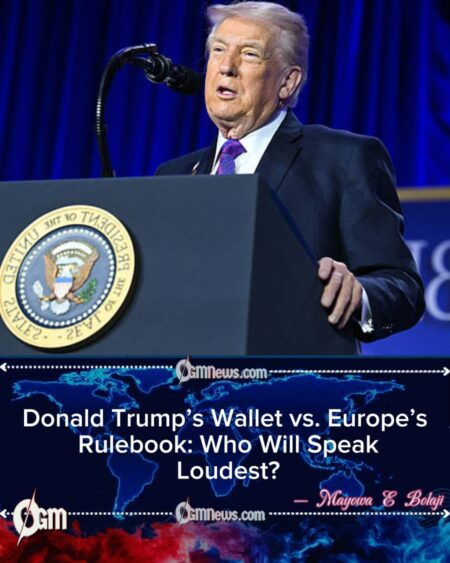
Donald Trump has announced plans to fund initiatives aimed at promoting free speech across Western countries allied with the United States, signaling a more assertive stance in transatlantic debates over digital regulation and expression. The policy direction was outlined by a senior State Department official during a visit to Europe, where U.S. officials engaged counterparts on concerns that some regulatory frameworks risk undermining open discourse.
Donald Trump’s administration emphasizes that the initiative reflects a broader effort to position free expression as a shared democratic value, while challenging what it views as overly restrictive rules governing online platforms and public debate. U.S. officials argue that such measures, though often framed as safeguards against harm, may have unintended consequences for civil liberties.
A Policy Framed Around Democratic Values
Donald Trump’s officials presenting the initiative emphasized that the funding is intended to reinforce long-standing democratic principles rather than interfere in domestic politics. According to the State Department, the programs would support civil society organizations, research, and dialogue focused on protecting freedom of expression in democratic societies.
Donald Trump has framed the effort as consistent with American foreign policy traditions that prioritize individual liberties. Officials noted that free speech is seen as a cornerstone of democratic resilience, particularly at a time of increased polarization and misinformation.
European Visit and Diplomatic Engagements
Donald Trump’s announcement came during a European tour by senior U.S. diplomats, aimed at engaging governments, regulators, and policy experts. Meetings reportedly focused on the impact of new and proposed regulations affecting digital platforms, media organizations, and online speech.
Donald Trump’s officials described the discussions as constructive but emphasized that Washington remains concerned about the direction of certain regulatory approaches. They cautioned that broad content restrictions could stifle legitimate debate and innovation if not carefully calibrated.
U.S. Concerns Over Regulation and Censorship
Donald Trump’s administration has increasingly characterized some European regulatory measures as forms of censorship, arguing that they place excessive responsibility on governments or private companies to determine acceptable speech. Officials warned that such frameworks could create precedents that limit expression beyond their original intent.
Donald Trump’s officials stressed that the issue is not opposition to regulation itself, but to what they view as disproportionate controls. They highlighted the importance of transparency, due process, and safeguards to prevent the suppression of lawful speech.
Funding Mechanisms and Program Scope
Donald Trump’s administration indicated that funding would be allocated through existing democracy and governance programs, including grants for non-governmental organizations, academic research, and public forums focused on free expression and media freedom.
Donald Trump’s officials emphasized that the programs would be collaborative, working with local partners and institutions in allied countries. The aim is to support dialogue and best practices rather than impose U.S. standards abroad.
Reactions Among Allies and Observers
Donald Trump’s initiative has elicited mixed reactions in Europe, with some policymakers welcoming the emphasis on free speech, while others expressed caution about external involvement in regulatory debates. Analysts note that differences in legal traditions and historical experiences shape how countries balance expression with other societal interests.
Donald Trump’s policy may intensify ongoing transatlantic discussions about the role of technology companies, government oversight, and the limits of speech. These debates are expected to continue as digital platforms remain central to public life.
Broader Implications for Transatlantic Relations
Donald Trump’s move underscores a broader shift in U.S. engagement with allies under his administration, highlighting free speech as a priority in both domestic and foreign policy. Officials link the initiative to economic competitiveness, democratic legitimacy, and the preservation of open discourse across allied nations.
Donald Trump’s funding plans are likely to influence cooperation between Washington and its allies, affecting regulatory approaches, civil liberties debates, and the overall tone of transatlantic relations in the years ahead.
78betvip, hopped in for a quick look. Eh, the VIP perks are alright, but not...