
























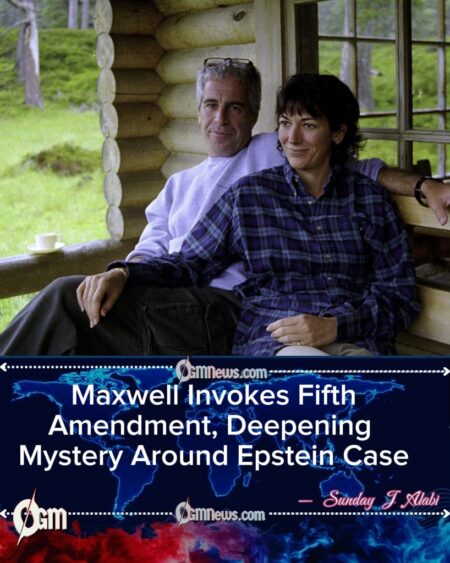
Ghislaine Maxwell’s refusal to answer questions during a closed-door congressional deposition has reignited controversy surrounding the Jeffrey Epstein investigation, drawing sharp criticism from Democratic lawmakers and raising renewed questions about transparency, accountability, and political influence. Maxwell, a longtime associate of Epstein who is serving a 20-year prison sentence for trafficking-related crimes, invoked her Fifth Amendment right against self-incrimination, declining to provide any testimony to the House Committee on Oversight and Government Reform.
Her decision has intensified partisan debate in Washington, with some lawmakers alleging preferential treatment and a broader effort to shield powerful figures from scrutiny. At the center of the dispute are calls to release investigative files related to Epstein and demands for clarity about who may have been involved in his criminal network.
Maxwell Appearance Before Congress Ends in Silence
After months of resisting a congressional subpoena, Maxwell appeared before the House Oversight Committee on Monday but declined to answer any questions. According to committee officials, she invoked the Fifth Amendment throughout the deposition, providing no substantive information to lawmakers.
Representative Robert Garcia of California, the ranking Democrat on the committee, expressed frustration at the outcome. He said Maxwell’s silence deprived Congress and the public of critical information about individuals connected to Epstein’s abuse of underage girls. Garcia described the appearance as a missed opportunity to shed light on one of the most notorious criminal cases in recent memory.
Maxwell’s attorney, David Oscar Markus, confirmed that his client followed legal advice in refusing to testify, citing ongoing legal proceedings related to her conviction.
Allegations of Protection and Political Favor
Garcia went further, questioning whether Maxwell’s refusal to testify suggested that she was protecting others. He also raised concerns about what he described as “special treatment” afforded to Maxwell while incarcerated in a low-security facility.
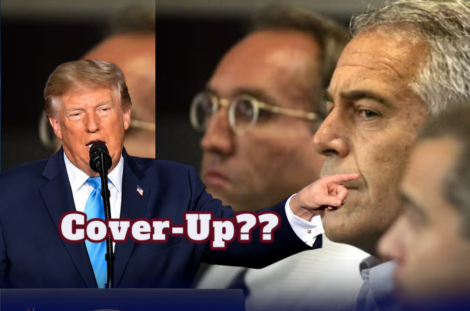
The congressman alleged that the situation pointed to a broader effort to suppress damaging information, framing it as a potential “White House cover-up.” His remarks have amplified political tensions, particularly as lawmakers continue to push for the release of Epstein-related investigative files.
These accusations come amid broader public skepticism about whether all relevant information connected to Epstein’s crimes has been fully disclosed.
Legal Strategy and the Clemency Argument
In a statement posted on social media, Markus said Maxwell’s decision to remain silent was tied to a pending habeas petition challenging the fairness of her trial. He argued that testifying before Congress could jeopardize her legal position.
Markus also suggested that Maxwell would be willing to provide a full account of events if granted clemency by President Donald Trump, who is currently serving his second term as U.S. president. According to Markus, only Maxwell could offer a complete explanation of what happened, even if the public might find the details uncomfortable.
He further asserted that both President Trump and former President Bill Clinton were innocent of wrongdoing, claims that Maxwell, he said, could substantiate if allowed to speak freely.
White House Response and Official Position
The White House declined to comment directly on Maxwell’s deposition. A spokesperson referred reporters to previous remarks by press secretary Karoline Leavitt, who has said that a pardon or clemency for Maxwell is not under consideration by President Trump.
The administration has consistently maintained that the president is not accused of any misconduct related to Epstein and has denied any improper connection. Trump has previously stated that he and Epstein had a falling-out years ago and has dismissed some allegations and documents related to the case as politically motivated.
Lawmakers Point to Inconsistencies
Representative Ro Khanna of California, a co-sponsor of the bipartisan Epstein Files Transparency Act, highlighted what he described as inconsistencies in Maxwell’s approach. He noted that she did not invoke the Fifth Amendment during a two-day interview in July with Deputy Attorney General Todd Blanche.
During that interview, according to her attorney, Maxwell answered all questions posed to her and did not refuse to testify. Blanche, who previously served as Trump’s criminal defense attorney, reportedly questioned Maxwell on matters similar to those raised by Congress.
Khanna argued that Maxwell’s earlier cooperation contrasted sharply with her silence before lawmakers, raising questions about her motivations and legal strategy.
The Ongoing Debate Over Epstein Files
Khanna also revealed that he had planned to question Maxwell about references she made in earlier legal filings to “four named co-conspirators” and 25 men allegedly involved in sexual abuse linked to Epstein. He intended to ask whether such claims were accurate and whether records or “client lists” existed identifying Epstein’s associates.
The Department of Justice has maintained that no definitive list of individuals involved in Epstein’s crimes exists. However, recently released documents, past court proceedings, and statements from accusers have continued to challenge that position, keeping the issue alive in the public and political arena.
As Maxwell remains silent and legal battles continue, pressure is mounting on Congress and the Justice Department to address lingering questions about transparency and accountability in the Epstein case.
[…] […]