
























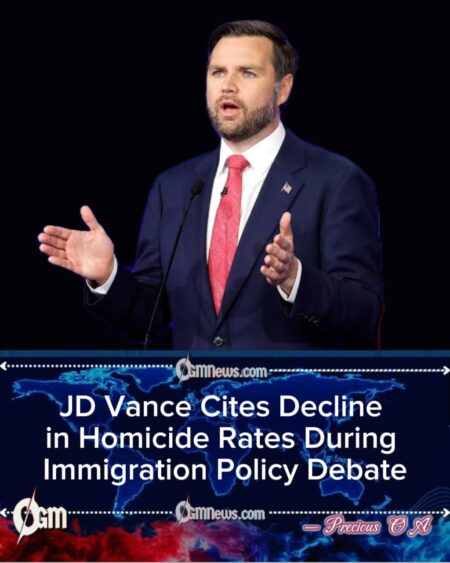
Vice President JD Vance is set to lead a newly established federal anti-fraud task force aimed at investigating and exposing alleged fraud in California and multiple other states, according to a report attributed to CBS. The initiative is expected to be formalized through an executive order from President Donald Trump, who is currently serving a second term, with Vance named as the task force’s chairman.
The move signals an expansion of the Trump administration’s domestic enforcement agenda, placing fraud investigations especially those involving public funds, benefits programs, and government contracting at the center of federal-state political tension.
Executive Order Expected: Trump to Appoint Vance as Chairman
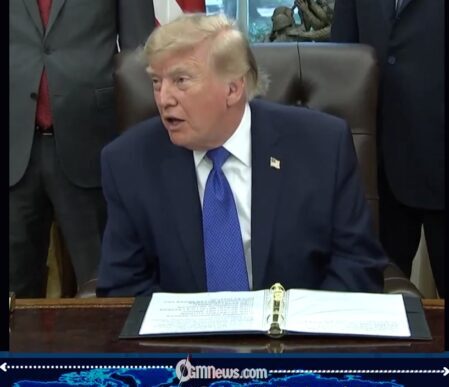
The task force is expected to be launched through an executive order signed by President Donald Trump, which would officially establish the body, define its authority, and assign leadership responsibilities to Vice President JD Vance.
Such executive actions typically outline the mission scope, participating agencies, reporting structure, and coordination rules. If signed, the order would give the task force formal legitimacy and create a framework for investigations, referrals, and public reporting.
The administration is expected to present the effort as a government-wide crackdown on misuse of taxpayer resources, using a centralized structure to coordinate investigations across jurisdictions.
JD Vance’s Role: A High-Profile Anti-Fraud Enforcement Push
With JD Vance positioned as chairman, the task force would likely become one of the most visible domestic enforcement initiatives of the Trump administration’s second term. It places the vice president in an operational leadership posture rather than a purely political or diplomatic one.
Vance’s leadership could include convening federal agencies, directing intergovernmental coordination, and delivering periodic briefings on findings and outcomes. In similar federal efforts, such task forces often combine investigative work with messaging—using press conferences and public releases to highlight enforcement actions.
Politically, it also strengthens Vance’s profile nationally, allowing him to champion accountability themes while positioning the administration as aggressive on financial integrity and fraud prevention.
Why California Is in Focus: Federal-State Tensions and Governance Scrutiny
The mention of California places the initiative directly into a long-running conflict between the Trump administration and Democratic-led states particularly over immigration, environmental policy, public health, and federal funding compliance.
A federal anti-fraud operation targeting California is likely to trigger immediate pushback from state leadership, including Governor Gavin Newsom’s administration, which may frame the task force as politically motivated rather than enforcement-driven.
At the same time, California’s size, budget scale, and number of federal-state programs make it a natural target for fraud investigations. Large systems Medicaid administration, disaster relief programs, unemployment benefits, public housing, and procurement often attract fraud schemes due to volume and complexity.
What the Task Force Could Target: Benefits Fraud, Contracts, and Organized Schemes
While full details remain unclear pending the executive order, federal anti-fraud task forces typically focus on areas where taxpayer dollars are most exposed to misuse.
Likely investigation categories include:
Public benefits fraud (Medicaid/Medicare, SNAP, unemployment claims)
Disaster relief fraud (FEMA-related scams and false claims)
Government contracting fraud (overbilling, kickbacks, shell companies)
Identity theft and synthetic identity fraud
Organized fraud rings operating across state lines
The task force could also serve as a referral engine—coordinating the FBI, DOJ, DHS, Treasury, and Inspectors General to accelerate prosecutions and recover funds.
Political and Legal Implications: Oversight, Due Process, and Federal Power
A multi-state fraud initiative chaired by the vice president will raise questions about transparency, due process, and how targets are selected. Democrats may demand safeguards to ensure enforcement is not used as political retaliation.
Civil liberties advocates may also scrutinize investigative methods particularly if immigration enforcement agencies participate or if operations involve aggressive raids, surveillance, or broad data access.
Republicans, however, are likely to rally behind the effort as a “taxpayer protection” campaign arguing that fraud drains resources from legitimate recipients and undermines public confidence in government programs.
What Happens Next: Rollout, Agency Coordination, and Early Test Cases
The next major step will be the signing of the executive order by President Donald Trump, followed by formal announcements identifying the agencies involved and the initial focus areas.
Early operations will be crucial. Task forces often begin with high-confidence cases—those with strong evidence, clear financial harm, and the potential for quick arrests or indictments to demonstrate credibility.
If the administration delivers early enforcement wins, the task force could become a long-running pillar of domestic policy. If it becomes entangled in political conflict, it could also face legal resistance from states and intensified congressional scrutiny.

[…] […]