















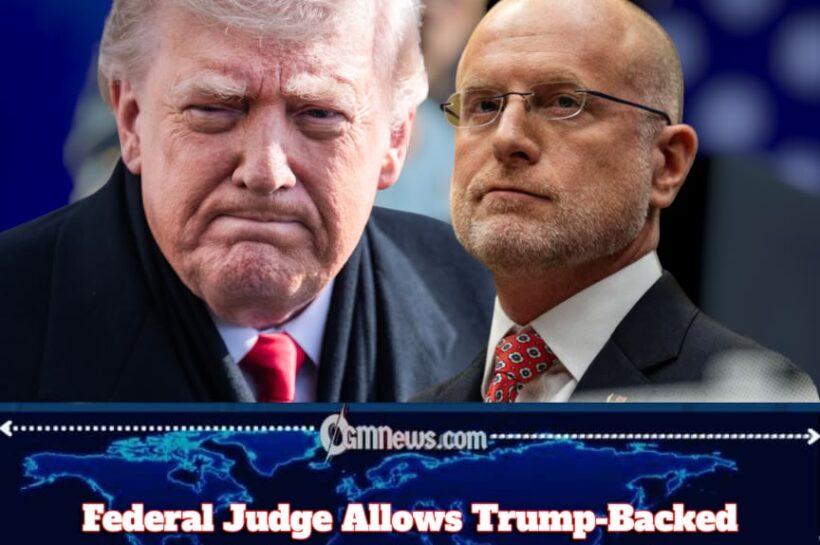





President Donald Trump faced scrutiny after a tense Oval Office exchange with CNN reporter Kaitlan Collins regarding recently released Jeffrey Epstein documents. The president dismissed her questions, criticized her reporting style, and made personal remarks about her age and demeanor, drawing widespread attention from the media and public.
Donald Trump Deflects Epstein Questions
During the interview, Donald Trump was asked about communications involving public figures in the newly released Epstein files. Trump repeatedly deflected, stating, “No, I didn’t… I have a lot of things I’m doing,” and shifting the conversation to unrelated topics such as his $200 million ballroom project and renovations at the Kennedy Center.
When pressed on transparency for survivors of Epstein’s crimes, Trump dismissed the concern, claiming that nothing significant involving him had been revealed. His refusal to engage substantively highlighted ongoing tensions between the president and the press.
Donald Trump Launches Personal Attacks
The exchange escalated when Donald Trump personally criticized Collins, calling her “the worst reporter” and referencing her age and demeanor:
“You know, she’s a young woman. I don’t think I’ve ever seen you smile.”
These comments sparked condemnation from media organizations and press freedom advocates, who argued that targeting a journalist with sexist remarks during an interview about sexual abuse survivors was highly inappropriate.
CNN Responds to Donald Trump
“Kaitlan Collins is an exceptional journalist, reporting every day from the White House and the field with real depth and tenacity. She skillfully brings that reporting to the anchor chair and CNN platforms every day, which audiences around the world know they can trust.”
The network’s response highlighted the contrast between Collins’ fact-based reporting and Donald Trump’s personal attacks.
Trump Faces Questions on Epstein Survivors
Collins focused her questions on the impact of redactions in the Epstein files, which conceal identities of both victims and associates. Donald Trump minimized the importance of the issue, suggesting the country should “move on” and focusing instead on other policy topics.
Observers note that Donald Trump’s reaction reflects a pattern of avoiding scrutiny over Epstein-related allegations while engaging in personal attacks on reporters asking difficult questions.
Professionalism Amid Presidential Criticism
Despite Trump’s verbal attacks, Collins maintained focus on Epstein survivors and transparency, earning praise for her journalistic integrity.
Analysts say her conduct underscores the challenges reporters face when questioning high-profile figures who are defensive or combative.
The incident has sparked debate about the balance between presidential authority and accountability, as well as the treatment of journalists in politically charged environments.
Public and Media Reactions
Trump’s remarks generated widespread coverage and social media discussion. Supporters criticized Collins’ approach, while others condemned Trump’s comments as sexist and inappropriate. Media experts highlight that the episode underscores the ongoing scrutiny over Epstein’s connections and the importance of transparent reporting.
As the controversy continues, Trump remains at the center of public attention, with his handling of sensitive questions and interactions with journalists under intense examination.


[…] […]