
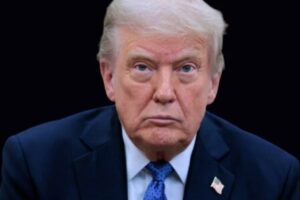

























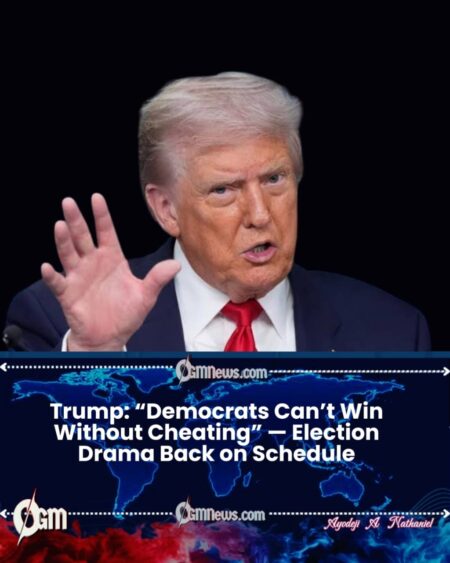
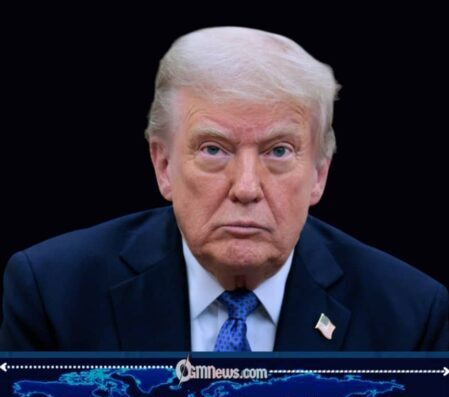
President Donald Trump, currently serving a second term as U.S. president, has intensified his criticism of the Democratic Party, claiming they would no longer win elections if cheating could be stopped. Speaking in sharp terms, Trump argued that Democratic victories are not driven by popular support but by alleged misconduct, while also attacking the party’s policies on immigration and social issues.
Trump’s remarks reflect a continuation of his long-running narrative questioning the integrity of U.S. elections, a theme that has remained central to his political messaging and fundraising appeals. The comments are likely to heighten partisan tensions, particularly as the country moves toward another election cycle marked by fierce disputes over voting laws, election administration, and political legitimacy.
Trump’s Core Claim: Democrats Would Have “No Chance” Without Fraud
In his statement, Trump said Democrats would have “no chance” of winning elections if cheating were prevented, describing Democratic policy positions as broadly unpopular. While he did not provide evidence during the remarks, he framed the issue as systemic and recurring.
Election officials across multiple states have repeatedly said U.S. elections are secure, though debates continue over the balance between expanding voter access and tightening verification measures. Trump’s assertion is expected to renew demands from his allies for stricter election laws, audits, and additional controls in vote processing.
Policy Attacks: Immigration and Culture-War Messaging
Trump paired his election claims with sweeping criticism of Democratic policies, particularly on immigration. He repeated a familiar argument that open-border policies invite crime and instability, alleging that the United States risks becoming a destination for the world’s “prison and mental hospitals.”
He also targeted Democratic positions on transgender rights and gender participation in sports, presenting these issues as symbols of what he calls “horrible policy.” Such framing has become a consistent feature of Republican campaign messaging, especially among candidates seeking to mobilize socially conservative voters.
Democratic Response and Political Counterclaims
Democrats have consistently rejected Trump’s claims of widespread cheating, arguing that his rhetoric undermines public trust in democratic institutions and inflames political division. They maintain that election outcomes reflect voter choices and that repeated fraud allegations have often failed to hold up in courts.
On policy, Democrats defend their positions as grounded in civil rights protections, immigration reform priorities, and broader inclusion efforts. Party leaders argue that Republicans, including Trump, are using culture-war issues to distract from economic debates, healthcare access, and governance challenges.
Election Integrity Debate Returns to the Forefront
Trump’s remarks arrive as election integrity remains a major national flashpoint. Republican-led states have pushed new voting rules focused on identification requirements, mail ballot restrictions, and voter roll maintenance. Democrats and civil rights groups have argued that some of these measures risk suppressing lawful voting.
At the same time, both parties have increasingly relied on legal challenges, legislative proposals, and media messaging to shape public perception of election credibility—making election administration not only a technical matter, but a central political battleground.
Impact on Political Climate and Institutions
Political analysts warn that persistent claims of illegitimacy can have lasting effects on democratic stability, particularly if large segments of the public begin to reject election outcomes as inherently untrustworthy. Supporters of Trump argue that his rhetoric reflects legitimate concerns about transparency and accountability.
Whether the remarks translate into new policy proposals or remain primarily political messaging, the statement reinforces the reality that the debate over election legitimacy is likely to remain a defining feature of U.S. politics under Trump’s second term.

[…] […]