












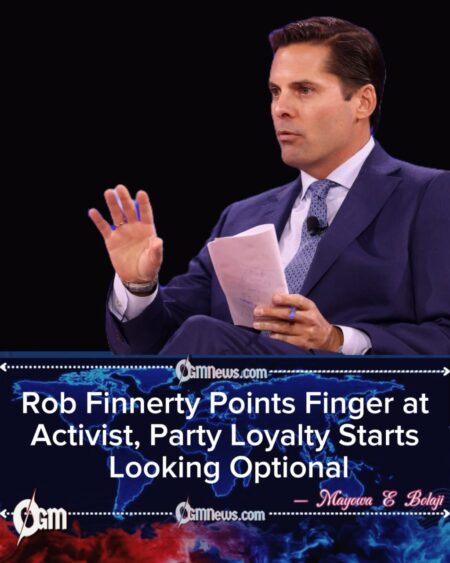
Rob Finnerty’s on-air commentary linking an anti-ICE confrontation to growing divisions within the Republican Party has triggered renewed debate over federal law enforcement practices, political accountability, and internal party cohesion. By asserting that the actions of a single activist have contributed to Republicans “turning on Republicans,” Finnerty placed a spotlight on tensions that have been simmering beneath the surface of immigration and border enforcement debates.
The remarks, delivered during a televised segment, quickly circulated across political media, drawing reactions from lawmakers, analysts, and advocacy groups. Supporters viewed the comments as a blunt assessment of political reality, while critics questioned the framing and broader implications of assigning partisan fallout to one individual episode.
Context of the On-Air Statement
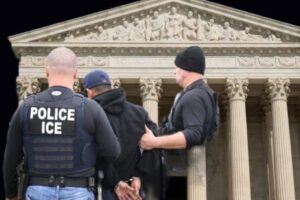
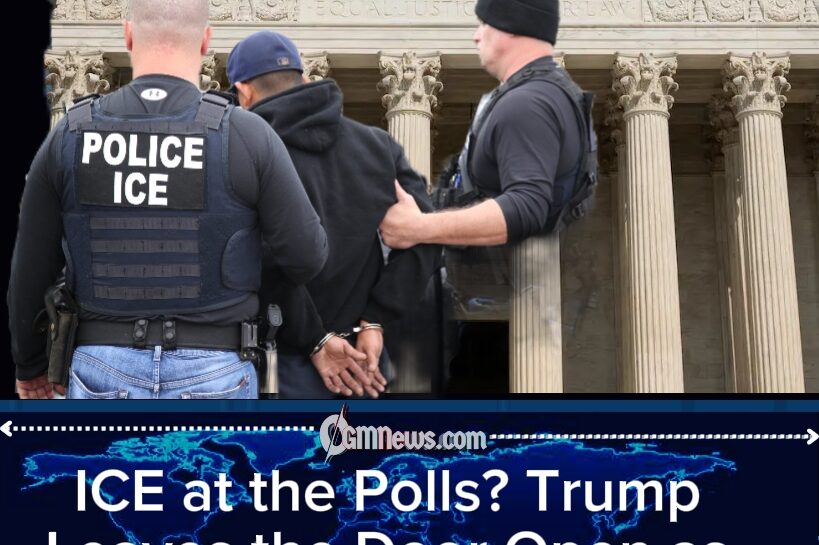
Finnerty’s statement centered on a recent confrontation involving federal agents and an anti-ICE protester, which he described as escalating into a wider political controversy. He argued that the episode has become a catalyst for internal Republican criticism over law enforcement conduct and immigration enforcement strategies.
The commentary blended factual claims about the incident with political analysis, a combination that amplified its reach and impact. As with many high-profile media statements, the remarks were interpreted differently depending on political perspective, contributing to a fast-moving public debate.
Federal Enforcement and Public Scrutiny
The incident referenced by Finnerty occurred amid heightened national scrutiny of immigration enforcement operations. In recent months, encounters between federal agents and protesters have increasingly been captured on video, bringing operational decisions into the public eye.
Such visibility has intensified calls for transparency and review, not only from opposition lawmakers but also from members of the Republican Party. This environment has made federal enforcement actions a focal point for broader political disagreements.
Republican Party Reactions
Following Finnerty’s remarks, reactions within Republican circles reflected a range of views. Some party figures echoed concerns about maintaining strong support for federal agents while avoiding actions that could erode public trust.
Others emphasized the need for accountability and clear standards of engagement, arguing that internal debate should not be mistaken for disunity. The differing responses underscored the complexity of balancing law-and-order priorities with civil liberties concerns.
Media Framing and Political Influence
Finnerty’s comments also reignited discussion about the role of media personalities in shaping political narratives. As a prominent television host, his framing of events carried weight, influencing how audiences interpret both the incident and the resulting political fallout.
Media analysts note that such commentary can accelerate polarization by compressing complex events into concise judgments. At the same time, it can force political actors to address issues they might otherwise prefer to avoid.
Broader Implications for Immigration Policy Debate
Beyond immediate reactions, the episode highlighted deeper divisions over immigration policy and enforcement methods. Disagreements over tactics, oversight, and messaging continue to cut across party lines, complicating efforts to present a unified stance.
Finnerty’s assertion that one incident could expose or intensify these divisions reflects a broader reality: immigration remains one of the most challenging and politically sensitive issues in American governance.
Looking Ahead
As debate continues, attention is likely to shift from the media commentary itself to potential policy responses and investigative outcomes related to federal enforcement practices. Lawmakers from both parties are expected to remain engaged, particularly as public interest stays high.
Whether Finnerty’s remarks ultimately reshape the conversation or fade into the broader media cycle, they have underscored an enduring truth of American politics: moments of conflict, once amplified, can quickly become tests of party unity and political leadership.

[…] […]