




























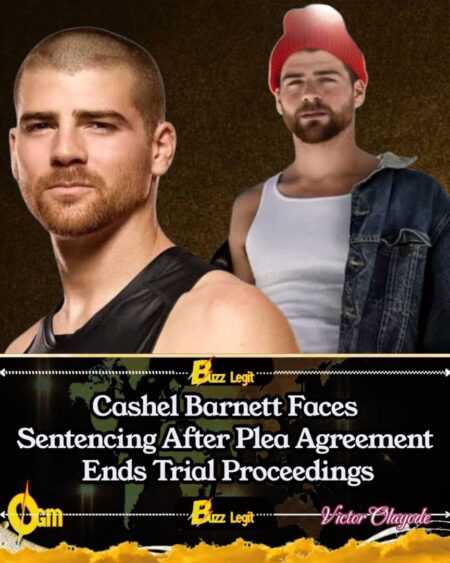
Cashel Barnett, a former contestant on the popular reality dating series Love Island, has accepted a plea deal in a sexual abuse case, marking a pivotal moment in a legal matter that has carried serious implications. Cashel Barnett’s decision brings renewed public attention to a case that has unfolded largely outside the entertainment spotlight, despite his past visibility as a reality television personality.Barnett’s plea agreement signals a shift from prolonged legal uncertainty toward formal resolution within the judicial system.
Cashel’s case underscores the growing scrutiny faced by reality television figures when allegations of criminal conduct emerge. Cashel Barnett’s transition from on-screen recognition to courtroom proceedings highlights the stark divide between entertainment-driven fame and the realities of legal accountability.Barnett’s plea deal places the focus squarely on the legal process rather than public perception.
Cashel Barnett’s acceptance of the agreement represents a defining chapter in a case that has affected multiple parties. His legal outcome reflects how allegations of sexual abuse are handled within the justice system, particularly when the accused holds public recognition that can amplify interest but does not alter legal standards or obligations.
Legal Case and the Decision to Accept a Plea Deal
Cashel Barnett entered into the plea agreement after facing charges related to sexual abuse, opting to resolve the case without proceeding to a full criminal trial. His decision suggests a strategic legal choice often made to reduce uncertainty, limit prolonged exposure to court proceedings, and bring clarity to the case’s outcome. Cashel Barnett’s plea deal now formally acknowledges responsibility under the terms agreed upon by both prosecution and defense.
Barnett’s plea agreement typically involves negotiated conditions that may include reduced charges or the dismissal of additional counts in exchange for a guilty plea to specific offenses. Cashel Barnett’s case will now proceed to sentencing considerations, where judicial oversight, compliance requirements, and potential penalties become central to the resolution. Cashel Barnett’s legal standing is now governed by the terms of the agreement rather than contested evidence.
Cashel’s choice to accept a plea deal reflects how the criminal justice system often prioritizes efficiency and closure.His case moves away from adversarial courtroom proceedings toward enforcement of legal consequences, underscoring how plea agreements function as binding resolutions with long-term legal and personal ramifications.
Reality Television Background and Public Scrutiny
Cashel rose to public recognition through Love Island, a franchise built on romantic narratives, personal charisma, and viewer engagement. Cashel Barnett’s appearance on the show introduced him to a wide audience that associated him with entertainment, personality-driven storytelling, and carefully edited portrayals. Cashel Barnett’s later involvement in a criminal case stands in stark contrast to the image cultivated through reality television.
Barnett’s legal troubles have prompted broader public discussion about the responsibilities of public figures whose fame originates from unscripted television. His visibility has ensured that legal developments, even when handled quietly in court filings, generate public reaction across social media and entertainment news platforms. Cashel Barnett’s case illustrates how reality television fame can intensify scrutiny rather than shield individuals from consequences.
Cashel Barnett’s situation reflects a recurring pattern within reality television culture, where participants experience rapid shifts from public admiration to criticism when serious allegations arise. His experience highlights how public perception can change abruptly, reinforcing the reality that television exposure does not insulate individuals from accountability or legal responsibility.
Cashel Barnett and the Broader Conversation About Accountability
Cashel’s plea deal contributes to ongoing conversations about accountability within entertainment spaces that often emphasize image, branding, and personal appeal. Cashel Barnett’s case serves as a reminder that criminal allegations demand serious legal consideration regardless of an individual’s public profile or media presence. Cashel Barnett’s outcome reinforces the principle that legal systems operate independently of celebrity culture.
Barnett’s legal resolution also underscores how the justice system addresses sexual abuse allegations through structured processes rather than public opinion. Barnett’s case demonstrates that courtroom outcomes are shaped by evidence, negotiation, and judicial standards rather than online discourse or fan reaction. Cashel Barnett’s plea agreement reflects the authority of legal institutions over narrative framing.
Cashel’s case may ultimately function as a cautionary example within the reality television industry. Cashel Barnett’s experience highlights how actions outside the spotlight can carry lasting consequences that extend far beyond entertainment careers. Cashel’s plea deal closes one chapter while leaving enduring implications for reputation, responsibility, and public trust.



[…] […]