








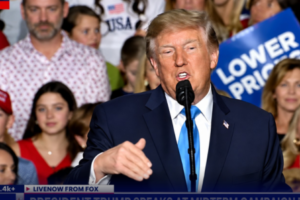

















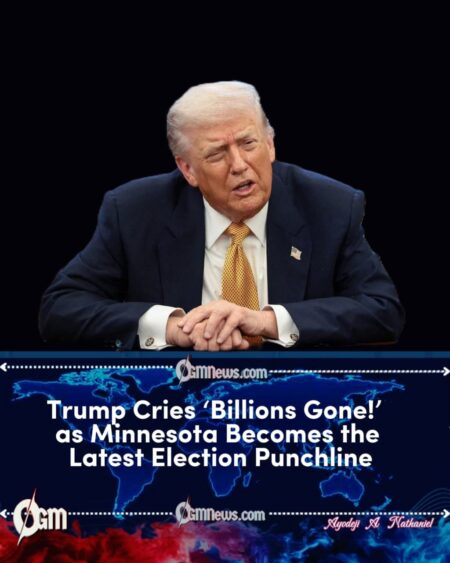
Donald Trump, serving a second term as President of the United States, on Tuesday alleged that as much as $19 billion in fraud may be tied to programs in Minnesota involving Somali-linked organizations. Speaking during remarks on domestic spending oversight, President Donald Trump framed the claim as part of a broader effort to clamp down on waste, fraud, and abuse of taxpayer funds.
The president’s comments immediately ignited a national debate, blending verified concerns about past fraud cases in Minnesota with unverified figures and sharp political rhetoric. Federal authorities have not publicly confirmed losses of the magnitude cited by the president.
President Donald Trump’s Claims and the White House Position
President Donald Trump said his administration is reviewing evidence related to what he described as systemic fraud within certain Minnesota-based nonprofit and aid programs. He asserted that investigators had uncovered large-scale misuse of federal funds, though he did not cite specific audits or indictments to substantiate the $19 billion figure.
White House officials later emphasized that ongoing investigations are being led by federal prosecutors and inspectors general, noting that final determinations would depend on court findings and verified audits. They stressed that the administration’s focus is on accountability and safeguarding public money.
What Is Known About Minnesota Fraud Investigations
Minnesota has been the site of several high-profile federal fraud prosecutions in recent years, particularly involving pandemic relief and nutrition assistance programs. In some cases, individuals associated with nonprofit organizations were convicted of diverting millions of dollars for personal use.
Federal prosecutors and judges have repeatedly cautioned that confirmed losses, while substantial, are calculated case by case and should not be conflated with broader community programs or populations. Authorities have also underscored that criminal responsibility rests with individuals, not communities.
Political Targeting and Legal Boundaries
During his remarks, President Donald Trump criticized Minnesota political leadership and singled out Ilhan Omar, a sitting U.S. representative, in comments that drew swift condemnation from civil rights advocates and Democratic lawmakers. Legal scholars note that deportation or citizenship revocation is governed strictly by law and due process, and cannot be ordered by presidential declaration.
No charges or investigations have been announced against Omar, who is a U.S. citizen. Experts emphasize that allegations against public officials must be supported by evidence and adjudicated through established legal channels.
Responses From Minnesota and National Leaders
Minnesota officials rejected the president’s characterization, arguing that while fraud cases have occurred, the figures cited are not supported by publicly available data. Community leaders warned against language that could stigmatize immigrant communities or conflate criminal cases with broader populations.
At the national level, reactions split along partisan lines. Supporters of the president praised his emphasis on fraud prevention, while critics accused him of using unverified claims to advance political narratives.
Implications for Federal Oversight and Public Trust
The controversy has renewed calls for stronger oversight of federal assistance programs, clearer reporting of audit results, and faster prosecution of confirmed fraud. Inspectors general and lawmakers from both parties have previously supported reforms to tighten controls without undermining legitimate aid.
Analysts say the episode underscores the importance of distinguishing between verified findings and allegations, particularly when public confidence in institutions and programs is at stake.
What Happens Next
Federal investigations into Minnesota-based fraud cases are expected to continue, with additional indictments or settlements possible as audits progress. Officials say any confirmed losses will be determined in court, not through political statements.
As the administration presses its accountability agenda, observers expect heightened scrutiny of public spending nationwide—alongside continued debate over rhetoric, evidence, and the rule of law.
[…] […]