




























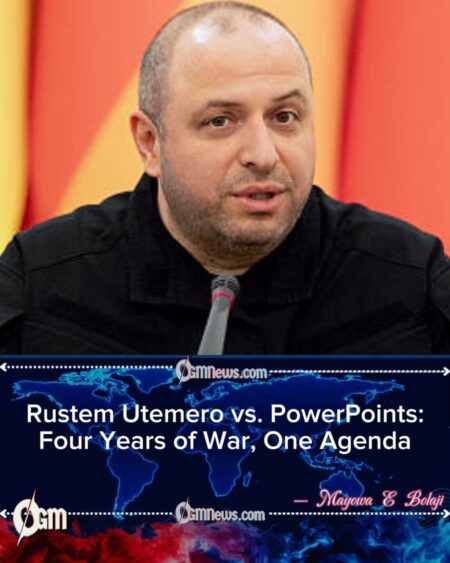
Ukraine’s top negotiator, Rustem Umerov, announced on Sunday that talks with U.S. officials aimed at resolving the nearly four-year-long war with Russia will continue at the World Economic Forum (WEF) this week in Davos, Switzerland. The discussions are intended to explore diplomatic pathways to end the ongoing conflict, address humanitarian concerns, and seek broader international support for Ukraine’s sovereignty.
Continuing Diplomatic Engagement
Umerov emphasized that the dialogue with U.S. officials is part of Ukraine’s broader effort to achieve a peaceful resolution while maintaining territorial integrity. These talks are expected to cover critical issues such as potential ceasefire frameworks, security guarantees, and humanitarian corridors.
The nearly four-year-long conflict has caused widespread devastation, including civilian displacement, infrastructure damage, and loss of life. Ukrainian negotiators continue to stress the importance of international engagement in achieving a durable solution.
World Economic Forum as a Strategic Platform
The WEF in Davos is not only a global economic forum but also a key venue for high-level diplomatic engagement. Leaders from governments, international organizations, and the private sector gather annually to address pressing global issues, providing negotiators like Umerov with an opportunity to advance their discussions under international scrutiny.
By leveraging the WEF platform, Ukraine aims to strengthen diplomatic support, highlight the human and economic costs of the conflict, and encourage multilateral cooperation to end hostilities.
U.S. Involvement and Support
U.S. officials have been actively involved in supporting Ukraine through both diplomatic channels and security assistance. In addition to military aid and sanctions targeting Russia, Washington has engaged in discussions about potential pathways toward conflict resolution.
Current U.S. administration representatives are expected to focus on aligning Ukraine’s security concerns with diplomatic measures, ensuring that any negotiated outcome is sustainable and protects Ukraine’s sovereignty.
Challenges to Resolution
Experts caution that several obstacles could impede progress in the negotiations. Key issues include territorial disputes, enforcement of ceasefires, security arrangements, and the management of humanitarian needs in conflict-affected regions.
Despite these challenges, Umerov expressed optimism that continued dialogue and multilateral engagement could lead to actionable solutions, underlining Ukraine’s commitment to a negotiated and peaceful end to hostilities.
Humanitarian and Regional Implications
The ongoing conflict has had significant humanitarian consequences, with millions displaced and communities facing shortages of basic necessities. Resolving the war through negotiations could pave the way for reconstruction, economic recovery, and the return of displaced populations.
Regional stability in Eastern Europe also hinges on the outcome of these discussions. A breakthrough at Davos could encourage further international cooperation, signaling a renewed commitment to peaceful conflict resolution in Europe.
Umerov’s meetings with U.S. officials at the WEF mark an important phase in Ukraine’s diplomatic strategy. While obstacles remain, these talks offer a critical opportunity to advance international support, explore viable solutions, and reaffirm Ukraine’s commitment to sovereignty, security, and the welfare of its citizens.



Ae888covenuscasino, okay, I'm curious. Gonna check out this site and try to find some amazing...